

NASCAR’s Talladega Shakeup: NASCAR’s decision to incorporate Talladega Superspeedway into the playoff framework has ignited a complex dialogue surrounding the preservation of tradition versus the pursuit of innovation. While the allure of Talladega’s high-stakes racing may captivate a new generation of fans, it simultaneously raises concerns about the potential alienation of long-standing supporters who value the historical significance of established tracks. As the sport seeks to balance excitement with legacy, the implications of this shift extend beyond mere track selection and question the very essence of competitive integrity within NASCAR’s evolving landscape. What remains to be seen is whether this tactical pivot will ultimately improve or undermine the sport’s foundational principles.
Key Highlights
- The integration of Talladega in the playoffs is controversial due to its unpredictable, high-speed racing dynamics that can disrupt traditional standings.
- Fans express concerns that altering established playoff tracks may alienate loyal supporters who prefer traditional racing experiences over new formats.
- Talladega’s status as a wildcard track introduces excitement but risks undermining competitive integrity, raising questions about the need for changes.
- Critics argue that NASCAR’s push for innovation, such as the ROVAL, may compromise the sport’s heritage and authenticity, leading to dissatisfaction among purist fans.
Initial Reaction to the 2025 Playoffs Schedule
The initial reaction to the 2025 playoffs schedule has been a blend of anticipation and doubt, as fans and analysts grapple with the implications of removing established tracks in favor of introducing new venues to the high-stakes racing format. This tactical pivot raises critical questions about the balance between tradition and innovation within NASCAR.
Established tracks have long been the bedrock of the playoff experience, offering familiarity and consistency for both competitors and fans. The potential exclusion of these iconic venues disrupts established narratives, creating a palpable sense of uncertainty.
Advocates for the new schedule argue that fresh tracks can infuse novel dynamics into the playoffs, building unpredictability and excitement. However, detractors caution that this shift risks alienating a loyal fan base that thrives on the historical significance of classic racing locations. The concern is not merely about nostalgia; it encompasses the broader implications for driver performance and team approach, as unfamiliar circuits may level the playing field, thereby diminishing the advantages accrued through experience.
Furthermore, the anticipation surrounding the introduction of new venues also raises logistical considerations. Will these tracks meet the safety, operational, and competitive standards synonymous with NASCAR?
The forthcoming discussions will likely center on the balance that must be achieved between innovation and the preservation of the competitive integrity that fans have come to expect. As the community awaits further details, the 2025 playoffs schedule stands as a potential turning point, inviting both optimism for change and apprehension about what may be lost in the process.
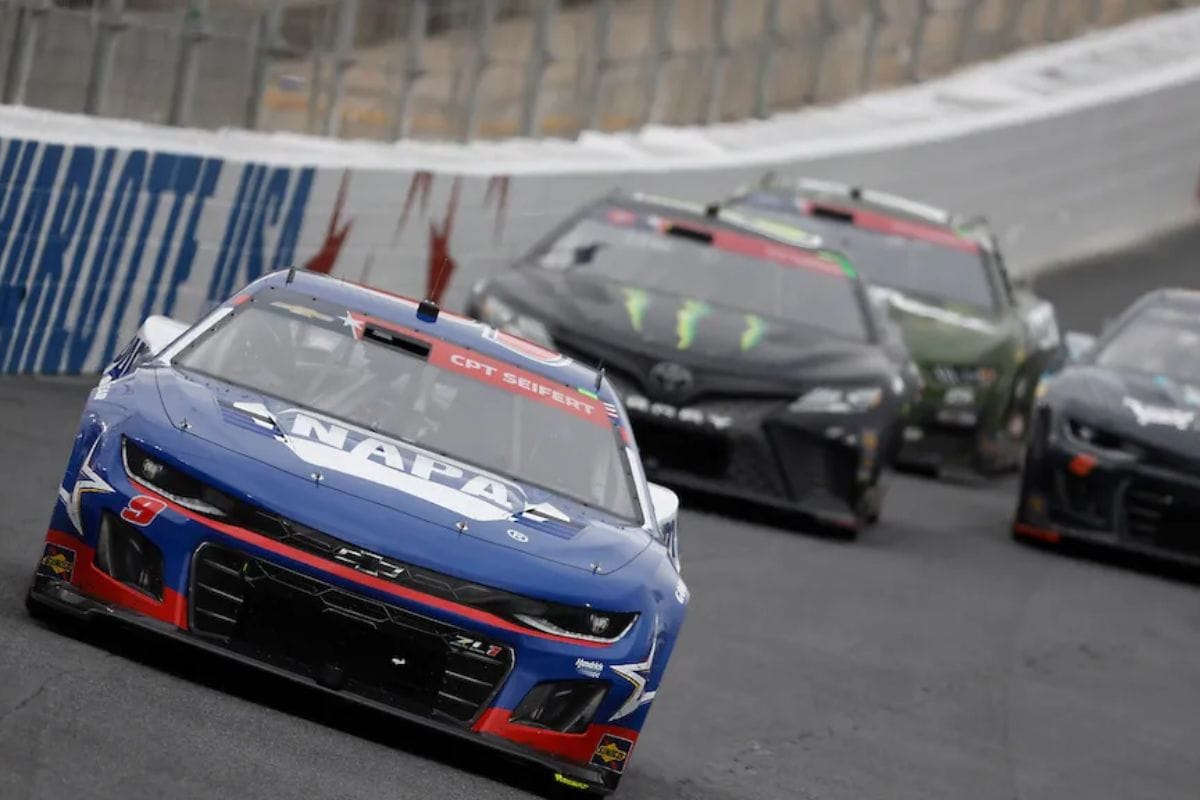
Changes to the Playoff Tracks
Notable alterations to the playoff tracks for the upcoming NASCAR season have sparked considerable debate among fans and analysts, highlighting the intricate balance between maintaining competitive integrity and embracing new racing challenges.
The introduction of Gateway into the playoff lineup, alongside established tracks like Darlington and Bristol, represents a notable shift in strategy. Analysts, including Eric Estepp, have voiced both enthusiasm and caution regarding this change, emphasizing the risks associated with altering a schedule that has historically provided thrilling competition.
Gateway’s inclusion, while bold, raises questions about its ability to deliver the same level of excitement and unpredictability that fans have come to expect from traditional playoff venues. The shift from familiar tracks to newer ones can fundamentally alter the dynamics of competition, introducing variables that teams must navigate. This could ultimately impact the championship landscape, as drivers and crews adapt to different characteristics of the newly added venue.
Moreover, the decision to modify the playoff tracks suggests a desire by NASCAR to innovate and evolve, potentially appealing to a younger audience while challenging seasoned competitors. However, the concern remains that by tinkering with a successful formula, NASCAR risks alienating its core fan base who cherish the heritage of established tracks.
As the new playoff structure unfolds, the effectiveness of these changes will be scrutinized, with the ultimate measure being whether they improve the sport’s competitive integrity or detract from the riveting nature of NASCAR racing.
Talladega Superspeedway’s Controversial New Role
Positioning Talladega Superspeedway within the playoff structure of the 2025 NASCAR Cup Series has ignited discussions about the potential repercussions of placing such a high-stakes track in an essential playoff round. The decision to integrate Talladega into this vital phase raises questions about the balance between tradition and innovation within the sport. Esteemed commentators have expressed concerns that this move may cultivate unnecessary drama, detracting from the essence of racing that fans cherish.
| Feature | Implications |
|---|---|
| Track Characteristics | Talladega’s high-speed, pack racing can lead to unpredictable outcomes, increasing the potential for chaos during the playoffs. |
| Historical Context | Traditionally, Talladega has been a wildcard track, often influencing championship standings in unexpected ways. |
| Fan Engagement | While it may heighten excitement, altering its playoff role could alienate purists who value the sport’s historical integrity. |
The inclusion of Las Vegas and Martinsville alongside Talladega in the playoff mix further complicates the narrative. The contrast of these tracks suggests a tactical emphasis on entertainment, yet it risks overshadowing the competitive purity that defines NASCAR. As the sport evolves, the decision-makers at NASCAR must tread carefully, weighing the merits of innovation against the historical framework that has long captivated audiences. Ultimately, the efficacy of this bold move will hinge on its reception by both drivers and fans similarly.

Fan Backlash Against the ROVAL
Fan reactions to the ROVAL have surged amid concerns that its unique layout and inherent unpredictability undermine the traditional values of competitive racing, particularly during the high-stakes playoff season. The integration of road course elements into a NASCAR event has sparked a noteworthy backlash, as fans struggle with the implications of altering a format that many believe should present skill and strategy.
The ROVAL’s unconventional configuration has led to a series of contentious debates, with fans expressing their dissatisfaction through multiple channels. Key points of concern include:
- Loss of Authenticity: The ROVAL deviates from traditional oval racing, leading to questions about what constitutes true NASCAR competition.
- Increased Risk: The chaotic nature of the ROVAL amplifies the likelihood of multi-car wrecks, jeopardizing championship aspirations and leaving fans frustrated.
- Unpredictable Outcomes: The ROVAL’s layout often results in unexpected finishes that can feel contrived rather than earned, diminishing the integrity of the competition.
- Fan Investment: Long-time fans feel their emotional investment in drivers and teams is undermined by a track that rewards luck over skill.
The backlash against the ROVAL signals a critical crossroads for NASCAR. As the series navigates the balance between innovation and tradition, it must heed fan sentiments that define the essence of competitive racing.
Debate Over Charlotte ROVAL Layout Changes
The ongoing debate surrounding the Charlotte ROVAL layout changes highlights a significant tension within NASCAR, as stakeholders grapple with the balance between groundbreaking racing formats and the preservation of traditional high-speed competition. The ROVAL, a hybrid of road course and oval, has evoked considerable backlash from fans who feel that the essence of NASCAR lies in its high-speed oval racing. This shift in layout seems to challenge that core sentiment, introducing complexities that may dilute the thrill of competition.
The next-gen cars, which have shown enhanced performance on traditional mile-and-a-half tracks, may struggle to adapt to the ROVAL’s unique demands, further fueling dissent among purists.
Moreover, the scheduling constraints faced by NASCAR limit their options for alternative venues, which may explain the push for changes at the Charlotte Motor Speedway. This predicament raises a vital question: are these alterations a necessary evolution in the sport or an unwarranted disruption of its storied heritage?
As the playoffs loom, the decisions made regarding the ROVAL will play a crucial role in shaping not only the immediate racing landscape but also the long-term identity of NASCAR.

News in Brief: NASCAR’s Talladega Shakeup
The integration of Talladega Superspeedway into the NASCAR playoffs presents a complex dilemma, balancing the allure of unpredictability with the preservation of tradition.
While this decision may appeal to a younger demographic seeking excitement, it simultaneously risks alienating long-time fans who value the historic significance of established tracks.
Ultimately, the effectiveness of this change will depend on the sport’s ability to maintain its core identity while adapting to the evolving landscape of fan expectations and preferences.
ALSO READ: NASCAR’s Talladega 10Mn Dollar Prize: Rain Threatens Race

