
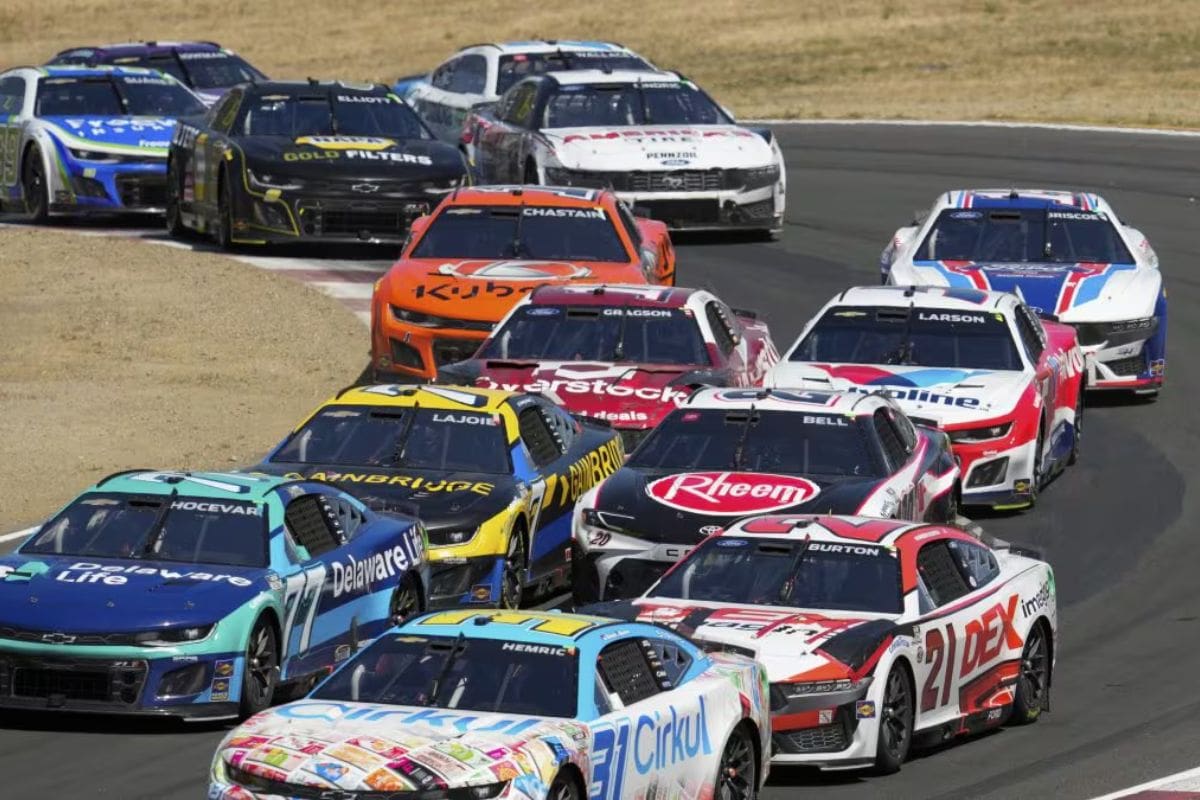
Cup Team Owner Breaks Silence On NASCAR Charter Threats: The recent disclosures from Cup team owners regarding NASCAR’s charter agreements expose a troubling dynamic within the sport, characterized by considerable strain and arrogant tactics. Denny Hamlin‘s striking analogy of a “gun to our head” emphasizes the urgency of the situation and highlights the dangerous financial landscape that teams must navigate. As discussions unfold about the implications of these practices on team viability and the sport’s future, it raises critical questions about governance, equity, and the sustainability of NASCAR’s competitive framework. What might these developments mean for the integrity of the sport moving forward?
Key Highlights
- 23XI Racing opposes new charter agreements, alleging NASCAR’s compliance deadlines create undue pressure on team negotiations.
- Curtis Polk likens the situation to David vs. Goliath, highlighting the power imbalance in charter negotiations.
- Financial concerns arise from NASCAR’s TV rights deal, with teams now receiving only 35-40% of revenue instead of the previous 25%.
- Front Row Motorsports shares similar concerns, criticizing the rushed review process of the complex charter contract as unethical for mid-level teams.
- Stakeholders call for reevaluation of NASCAR’s financial distribution model to address inequities and improve team sustainability.
23XI Racing’s Stance in the Charter Debate
In the midst of a vital moment in NASCAR, 23XI Racing has taken a decisive stance against the new charter agreements set to take effect from 2025 to 2031. Co-owned by basketball icon Michael Jordan and seasoned NASCAR veteran Denny Hamlin, 23XI Racing has positioned itself as a formidable voice amidst the ongoing charter debate.
The team recently expressed its refusal to sign the new charter agreements, citing concerns over the implications of NASCAR’s tight deadlines for compliance. This refusal is particularly noteworthy as it comes at a critical time, just before the commencement of the NASCAR playoffs, when the stakes are particularly high.
According to insiders, only two teams in the Cup Series have yet to commit to the new terms, and 23XI’s stance could catalyze broader discussions within the garage area. The team’s decision has been formalized through a letter to NASCAR, signaling a commitment to challenge the status quo and advocate for a more equitable framework within the sport.
Joining 23XI in this defiance is Bob Jenkins, owner of Front Row Motorsports, further emphasizing the potential for a rift among NASCAR teams regarding governance and financial structures.
Accusations Against NASCAR’s Practices and the TV Rights Deal
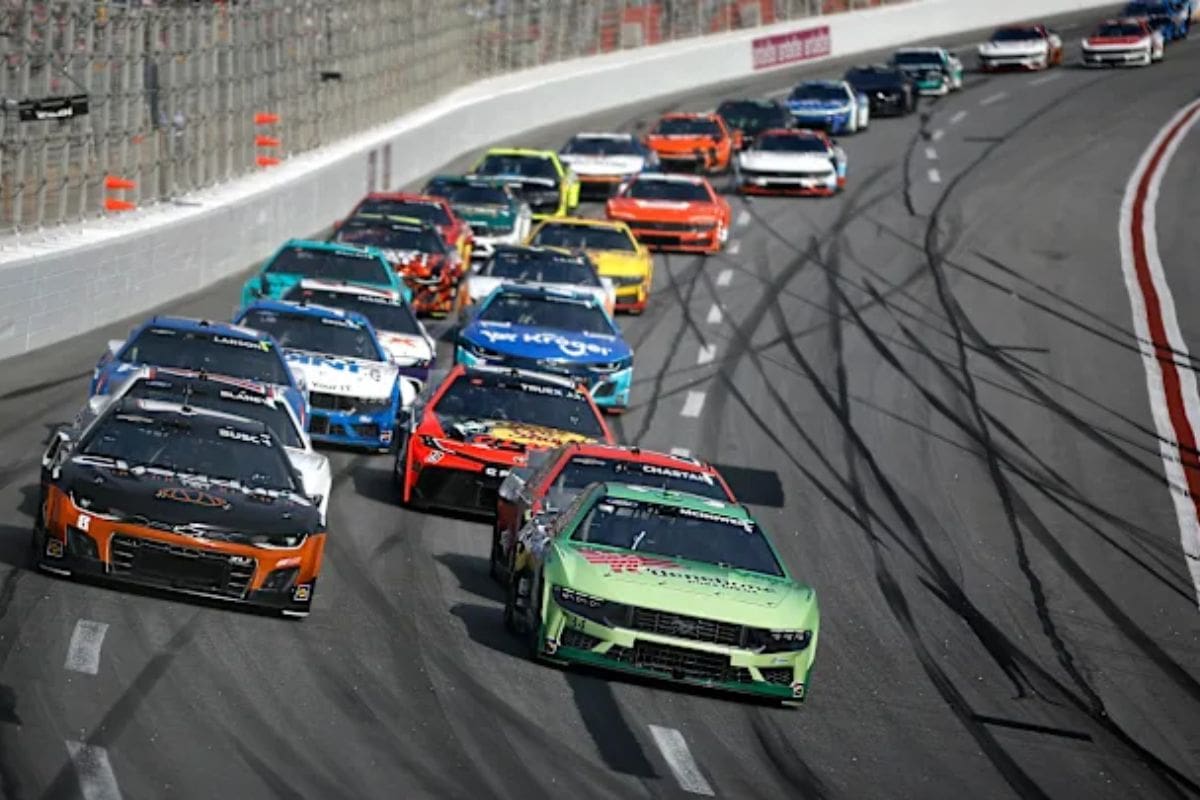
Amidst growing tensions surrounding the charter agreements, accusations of predatory practices have emerged against NASCAR, particularly concerning the lucrative TV rights deal valued at $7.7 billion. This deal, which spans from 2025 to 2031, involves major networks such as FOX, NBC, Amazon, Warner Bros., and TNT Sports, alongside CW for the Xfinity Series.
However, the distribution of revenue has become a contentious issue among team owners. Historically, teams received 25 percent of the TV revenue, with NASCAR retaining 10 percent and the tracks, many of which are owned by NASCAR, taking a substantial 65 percent. With the new deal, teams are reportedly seeking a larger share of the pie, as they now stand to receive only 35-40 percent of the revenue, while relinquishing rights to supplementary revenue streams.
“They put a gun to our head, and we had to sign. It is what it is. We move forward.” – an team owner
Key concerns raised include:
- Reduced Revenue Share: Teams may not receive adequate compensation relative to the growing value of the TV rights.
- Loss of Ancillary Rights: The deal has limited teams’ ability to capitalize on supplementary revenue sources tied to media.
- Driver Appearance Limitations: Restrictions on driver appearances may further inhibit revenue-generating opportunities.
- Impact on Charter Sales: A reduced cut in charter sales could diminish the financial stability of teams.
These accusations highlight the growing frustration among team owners who feel marginalized in negotiations, prompting calls for a reevaluation of NASCAR’s financial practices and a more equitable distribution model.
23XI’s Refusal to Sign and Criticism from Curtis Polk
The ongoing controversy surrounding NASCAR’s charter agreements reached a vital point when 23XI Racing, led by Michael Jordan and co-owner Curtis Polk, publicly refused to sign the latest deal. This refusal emphasizes the growing discontent among teams regarding the perceived inequities of the charter system. While smaller teams have historically struggled for stability, many were reportedly pressured into signing agreements that did not fully address their demands for a permanent charter deal.
Polk’s comments demonstrate the asymmetric power dynamics at play. He expressed outrage over what he termed “predatory practices,” highlighting that the current landscape is not reflective of the sport’s history, stating, “This isn’t the 1960s.” Polk’s criticism brings attention to a significant point where traditional norms of negotiation are being challenged, as he likened 23XI’s position to David facing Goliath—an assertion of the inherent inequality in bargaining power within NASCAR.
“This isn’t the 1960s and these predatory practices will not withstand scrutiny and be accepted in 2024. We are David facing Goliath, NASCAR has superior bargaining power and undue influence over the sport and the charter process.” – Polk
The team’s decision not to sign stems from a belief that the terms of the deal would be detrimental to their operational integrity and the protection of their ownership rights. While other teams may have capitulated under strain, 23XI has opted to stand firm, seeking a more equitable resolution.
This stance not only signifies 23XI’s commitment to its principles but also raises fundamental questions about the future of the charter system and whether it can adapt to the evolving demands of its stakeholders. As the situation unfolds, the implications for both 23XI and the broader NASCAR ecosystem remain to be seen.
Front Row Motorsports’ Perspective and Jenkins’ Comments
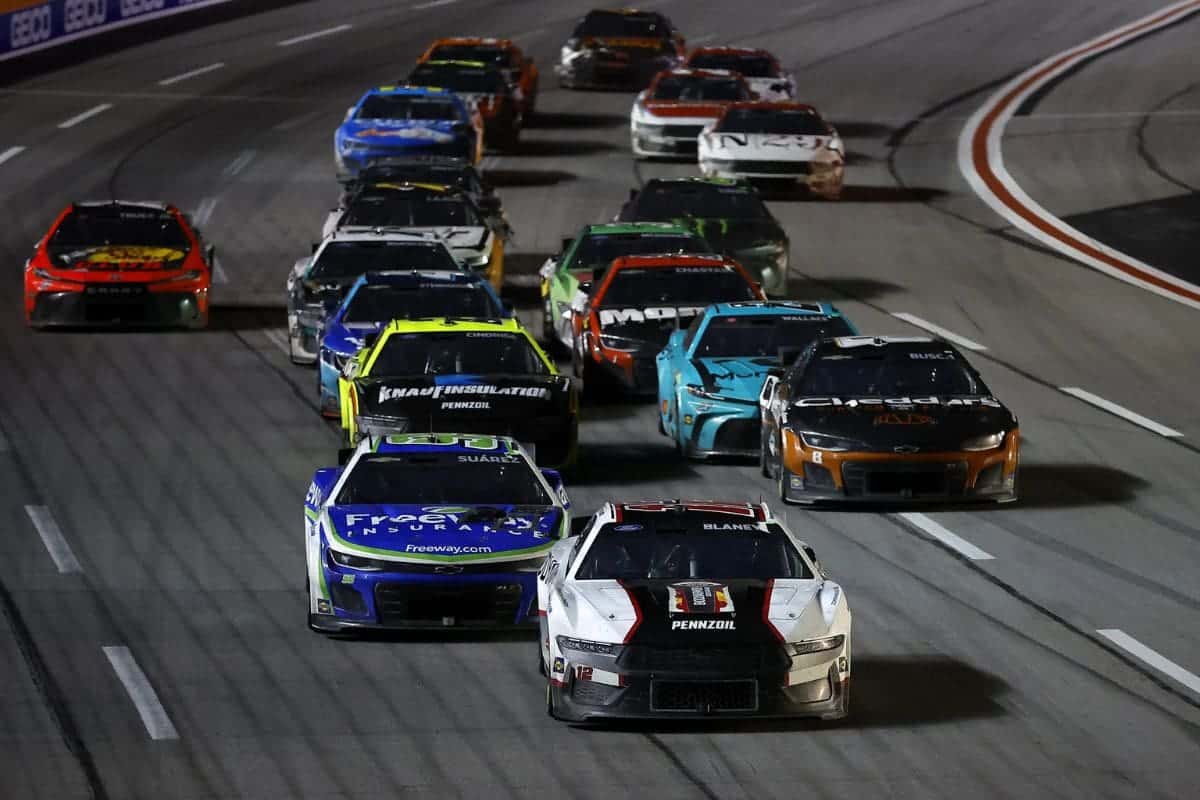
Discontent within the NASCAR community continues to surface as Front Row Motorsports (FRM) aligns itself with 23XI Racing in opposition to the latest charter agreement. Team owner Bob Jenkins has voiced considerable concerns regarding the rushed nature of the contract, highlighting the challenges faced by mid-level teams in maneuvering the complexities of NASCAR’s evolving landscape.
Jenkins articulated his frustrations, stating, “It just was tough to get a 105-page contract at 6 o’clock on Friday night and then be asked to sign it by midnight.” This sentiment emphasizes a broader unease among team owners, particularly those operating outside the sport’s elite.
“It just was tough to get a 105-page contract at 6 o’clock on Friday night and then be asked to sign it by midnight. We just didn’t feel like it was the right thing to do. I don’t have anything against the guys who did sign it. I know a lot of people were uncomfortable but felt like they had to.” – Jenkins
The implications of the charter agreement have raised several critical points for discussion:
- The overwhelming complexity of the contract requires careful consideration.
- The short timeframe for review raises ethical questions about decision-making.
- Mid-level teams often operate under financial constraints that complicate commitments.
- Strain to conform can lead to decisions made out of fear rather than informed consent.
While he acknowledges his respect for those who chose to sign, he also recognizes the discomfort many felt in the face of such urgency. As teams like FRM grapple with the financial demands of competition, it becomes increasingly evident that a more thoughtful, transparent approach to charter agreements is crucial for the sport’s long-term viability.
Denny Hamlin’s Argument and Financial Challenges for Race Teams
Denny Hamlin has forcefully articulated the financial strains that race teams face, highlighting the staggering costs associated with fielding a competitive entry in NASCAR. He asserts that $18 million is vital just to guarantee a car is track-ready each week, a figure he contends is not merely a rough estimate but a calculated necessity. This financial demand emphasizes the challenges particularly faced by newer and smaller teams in the sport.
As a team owner who built his operation from the ground up, Hamlin understands the myriad expenses involved. Beyond the car itself, costs proliferate across numerous departments, including business operations, marketing, sponsorship acquisition, and social media engagement.
“As someone who started a team from scratch and kept it as lean as I could, there are MANY other depts at a race team that are necessary to operate. Business, marketing, sponsorship, social media, it goes on and on.” – hamlin
However, the impermanence of the charter system complicates efforts to secure reliable sponsorships, leaving many owners to rely on their personal funds to sustain their teams. The situation is exemplified by owners like Bob Jenkins of Front Row Motorsports, who has reportedly invested considerable personal resources to keep his team afloat amidst inadequate sponsorship revenues.
”FRM owner Bob Jenkins owns restaurants and probably has lost millions every year. My guess is he has put more of his own money into the sport without sponsorship covering it than nearly any other owner over last couple decades.” – Pockrass On X
This reliance on owner contributions highlights a systemic issue within NASCAR, where financial viability hangs in the balance. With uncertainty looming over the fate of charters, the broader implications for the sport and its stakeholders remain to be seen.
Hamlin’s call for financial support reflects a critical need for NASCAR to reconsider its economic framework to foster a more sustainable competitive environment.
News in Brief: Cup Team Owner Breaks Silence On NASCAR Charter Threats
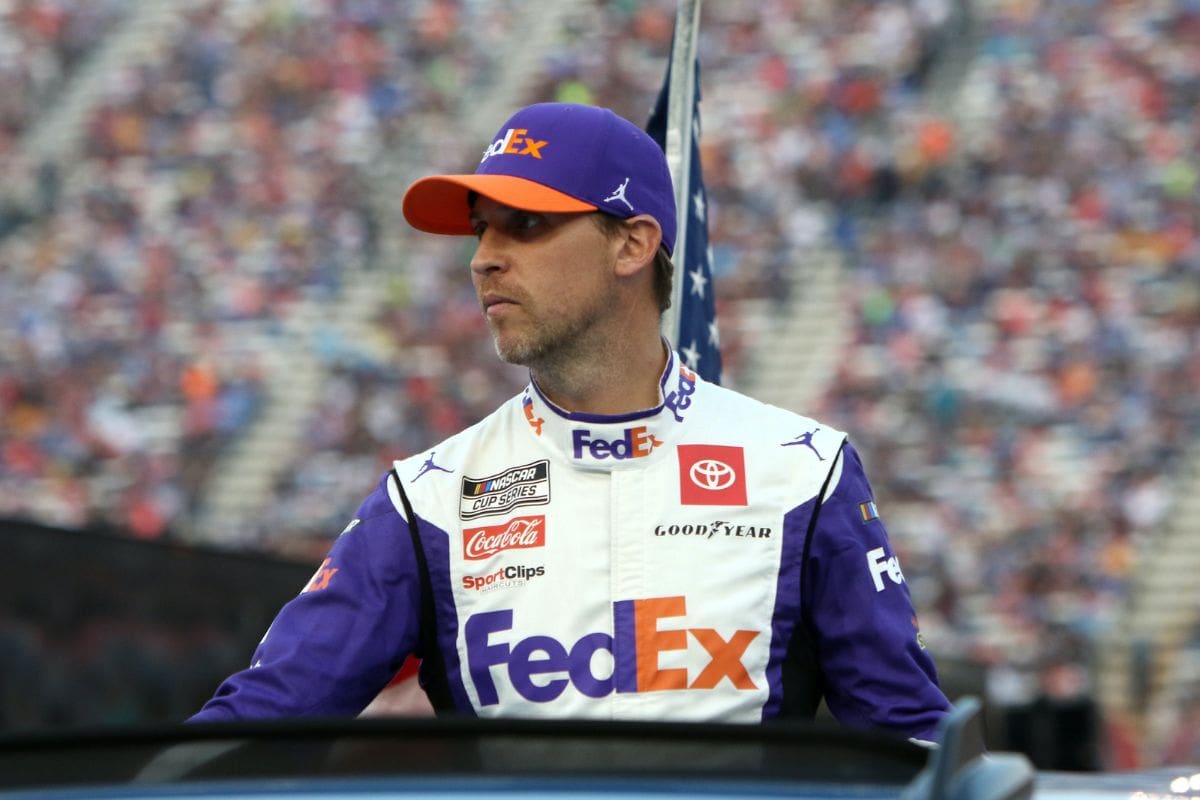
The criticism from team owners regarding NASCAR’s charter agreements highlights considerable concerns about the financial sustainability and equity within the sport. The high-pressure environment described by stakeholders, including Denny Hamlin’s striking analogy, emphasizes the precarious situation facing many teams. As discussions continue, it remains crucial for NASCAR to address these grievances to guarantee the long-term viability of the franchise and the total health of competitive racing. Failure to do so may jeopardize the future of the sport.
ALSO READ: Did NASCAR Sabotage Denny Hamlin’s Atlanta Disaster? Fans Point to Charter Deal Drama

