
Insider demands NASCAR to scrap its biggest race-ending rule, and the debate is heating up. Recent races have left teams and fans questioning how NASCAR decides when to throw the caution flag. Some believe the rules create unfair finishes, while others argue they add excitement. Now, a well-known figure in the sport is calling for change, saying the system causes more harm than good. With frustration growing, the pressure is on NASCAR to respond before the next big controversy erupts.
Key Highlights
- Freddie Kraft criticizes NASCAR’s inconsistent caution flag decisions, emphasizing the need for clear and consistent standards.
- Recent controversial caution decisions at Atlanta and Daytona races have raised fairness and transparency concerns.
- Kraft suggests reconsidering the green-white-checkered rule to streamline race resolutions and avoid confusion.
- NASCAR’s current caution flag inconsistencies impact fan satisfaction and sport integrity.
- Criticism highlights the influence of fan feedback on NASCAR’s decision-making process, potentially compromising safety.
Freddie Kraft’s Take on NASCAR’s Caution Controversy
While the world of NASCAR is often filled with excitement and high-speed action, it has recently been caught in a debate over its handling of race-ending procedures.
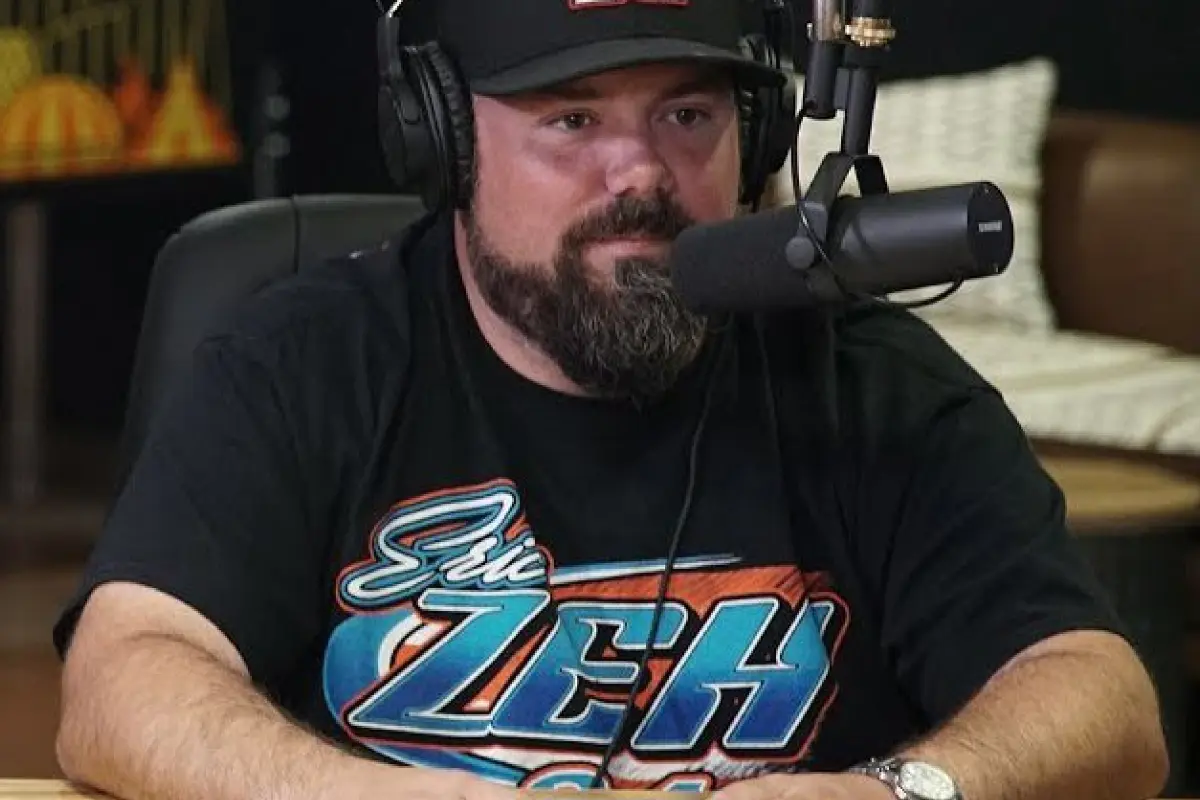
Freddie Kraft, spotter for Bubba Wallace and the No. 23 team, vocalized his concerns about NASCAR’s alleged inconsistency in applying caution flags towards the resolution of races.
In a discussion on the Door Bumper Clear podcast, Kraft suggested that NASCAR should reconsider the green-white-checkered flag rule, which was introduced in 2004 to guarantee races end under competitive conditions rather than caution.
Kraft’s critique is rooted in a desire for consistency, as he believes the current approach can lead to unpredictability and fan dissatisfaction. His call to eliminate the green-white-checkered situation aims to streamline race resolutions.
 Dale Earnhardt Jr. and Freddie Kraft Engage in Playful Banter” width=”1200″ height=”800″ srcset=”https://slicksandsticks.com/wp-content/uploads/2024/12/Dale-Earnhardt-Jr.-and-Freddie-Kraft-Engage-in-Playful-Banter-2.webp 1200w, https://slicksandsticks.com/wp-content/uploads/2024/12/Dale-Earnhardt-Jr.-and-Freddie-Kraft-Engage-in-Playful-Banter-2-300×200.webp 300w, https://slicksandsticks.com/wp-content/uploads/2024/12/Dale-Earnhardt-Jr.-and-Freddie-Kraft-Engage-in-Playful-Banter-2-1024×683.webp 1024w, https://slicksandsticks.com/wp-content/uploads/2024/12/Dale-Earnhardt-Jr.-and-Freddie-Kraft-Engage-in-Playful-Banter-2-768×512.webp 768w, https://slicksandsticks.com/wp-content/uploads/2024/12/Dale-Earnhardt-Jr.-and-Freddie-Kraft-Engage-in-Playful-Banter-2-630×420.webp 630w, https://slicksandsticks.com/wp-content/uploads/2024/12/Dale-Earnhardt-Jr.-and-Freddie-Kraft-Engage-in-Playful-Banter-2-150×100.webp 150w, https://slicksandsticks.com/wp-content/uploads/2024/12/Dale-Earnhardt-Jr.-and-Freddie-Kraft-Engage-in-Playful-Banter-2-696×464.webp 696w, https://slicksandsticks.com/wp-content/uploads/2024/12/Dale-Earnhardt-Jr.-and-Freddie-Kraft-Engage-in-Playful-Banter-2-1068×712.webp 1068w” sizes=”auto, (max-width: 1200px) 100vw, 1200px” />
NASCAR’s Recent Controversial Caution Decisions
Recent NASCAR races have sparked debate due to controversial caution decisions that have left fans and teams questioning the consistency of the rules.
During final laps, particularly in the last pair of races, NASCAR officials made differing decisions that have not gone unnoticed. At Atlanta, Christopher Bell emerged victorious after NASCAR decided to throw a caution during the last lap of the overtime start. This decision halted the race under caution, securing Bell’s win.
However, in the previous race at Daytona, William Byron had to drive to the finish line following a last-lap crash to claim his subsequent consecutive victory.
These differing approaches have raised questions about the criteria used by NASCAR to decide when to implement cautions in the final moments of a race. The absence of a clear, consistent standard has led to examination regarding the fairness and transparency of NASCAR’s decision-making process in these critical race-ending scenarios.
Kraft and Baldwin’s Criticism of NASCAR’s Decision-Making
Freddie Kraft and Tommy Baldwin have openly criticized NASCAR’s inconsistent decision-making regarding caution flags during races.
Kraft, known as Bubba Wallace’s spotter, expressed frustration about NASCAR’s approach to caution flags, highlighting a disparity in responses to incidents on the track. He emphasized that consistency is paramount, referencing the need for similar responses to both minor and major on-track incidents, such as a single car spinning versus a multi-car pileup.
“I’ve said this on here before for years, a caution is a caution. You know, if you’re going to throw a yellow for Blaney spinning by himself on the apron, you have to throw yellow for a f**king 20-car pileup down the back straightaway. That’s why I said like, I am all for just get rid of them (green-white-checkered), like just because all we do is tear up race cars.” – Freddie Kraft
What's better: no overtimes or unlimited overtimes? ⚖️
Full Race Reaction 👉 https://t.co/yxkNpUgru9@NoahGragson | @FreddieKraft | @KarsynElledge3 | @TBR7NY pic.twitter.com/WRxURysAAD
— Dirty Mo Media (@DirtyMoMedia) February 25, 2025
Baldwin, on the other hand, questioned the rationale behind the introduction of the green-white-checkered rule, suggesting it was a reaction to fan desires for more exciting race endings.
“Well, I don’t remember why we ever started green-white checkers. For fans? They wanted a more exciting finish?” – Freddie Kraft
He argued that NASCAR’s focus on social media feedback has led to decisions that prioritize fan satisfaction over the sport’s integrity and driver safety.
Both Kraft and Baldwin’s perspectives underscore a broader concern: that NASCAR’s decision-making may be swayed more by external perceptions than by on-track realities.

Bubba Wallace’s Reflection on His Daytona 500 Mistake
Reflecting on his performance at the Daytona 500, Bubba Wallace acknowledged a notable mistake that contributed to his disappointing finish. Despite leading 18 laps and maintaining a strong front position, a late-race crash relegated him to a 29th place finish.
Bubba Wallace, in a candid assessment, admitted that he and his spotter, Freddie Kraft, could have strategized better during the closing laps. He specifically regretted his decision to block the top lane, recognizing the pace was too fast.
“I should’ve known better to not block the top because the pace is too fast and Freddie should’ve known better. We’re sitting there texting and then he said, I don’t even think I replied back, but he said, ‘You know who we blocked at the top, right? The 24, and look who won the race.’ You never know with those races now. It’s tough to finish how we did knowing the speed and performance we had in our car, but just wasn’t meant to be.” – Bubba Wallace
In hindsight, Wallace noted their misstep allowed another competitor, the 24 car, to secure victory. With a new crew chief in 2025, he aims to utilize these lessons for a successful season, focusing on clinching a win to guarantee playoff qualification.

News in Brief: Insider Demands NASCAR to Scrap Its Biggest Race-Ending Rule
Freddie Kraft’s criticism highlights ongoing debates about NASCAR’s caution decisions, emphasizing the need for consistency in officiating. His comments, along with those of Tommy Baldwin, bring attention to the challenges faced by drivers like Bubba Wallace, who reflects on past mistakes such as his Daytona 500 experience. These discussions underline the broader issues within NASCAR, urging officials to reassess rules and procedures to guarantee fairness and clarity for drivers and fans alike.
ALSO READ: Freddie Kraft Confirms Special Guest for DBC Podcast and Fans Can’t Guess Who He Is

