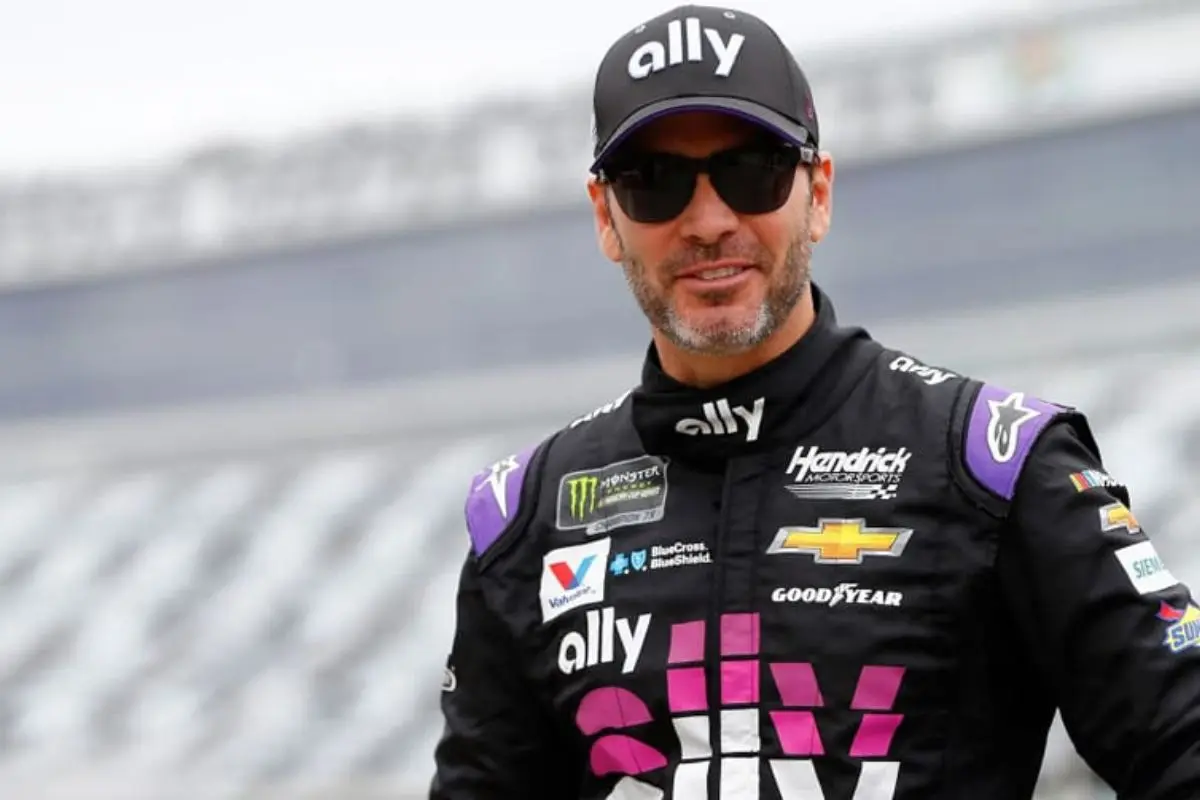
NASCAR is facing big money problems behind the scenes. Jimmie Johnson, a legend in the sport, is now speaking out. He says teams are not getting their fair share. With rising costs and hidden deals, the fight over money is heating up. Even team owners are going to court. What’s really going on with NASCAR’s money system? And why are top teams so upset?
Key Highlights
- Jimmie Johnson highlights NASCAR’s uneven revenue split, disadvantaging teams financially.
- Teams receive only 25% of broadcast revenue; NASCAR and tracks take the majority.
- Rising costs and limited revenue streams challenge team sustainability and competitiveness.
- Sponsorship dependency pressures teams, affecting operations and driver choices.
- NASCAR’s ownership of racetracks centralizes control, complicating financial negotiations.
Charter Dispute Background and NASCAR Lawsuit
In the complex landscape of NASCAR’s economic structure, the charter system has emerged as a focal point of dispute, particularly as the 2025 renewal approaches.
The Race Team Alliance (RTA), once a united front formed to negotiate a fair charter deal, experienced a notable fracture in September 2024. This division left only two teams actively contesting the charter terms, signaling a crucial turning point for the sport.
Curtis Polk of 23XI Racing previously articulated the frustrations of many, stating, “The economic model is broken for the teams.” This sentiment emphasizes the broader dissatisfaction permeating the NASCAR community.
Jimmie Johnson, a seven-time NASCAR Cup Series champion turned stakeholder in Legacy Motor Club, offers an informed perspective. His shift from racer to owner has granted him insight into the economic challenges confronting teams.
As NASCAR faces legal challenges from two of its teams, Johnson’s experiences highlight the intricate dynamics at play within this financial impasse.
Core Accusations Against NASCAR and Revenue Split
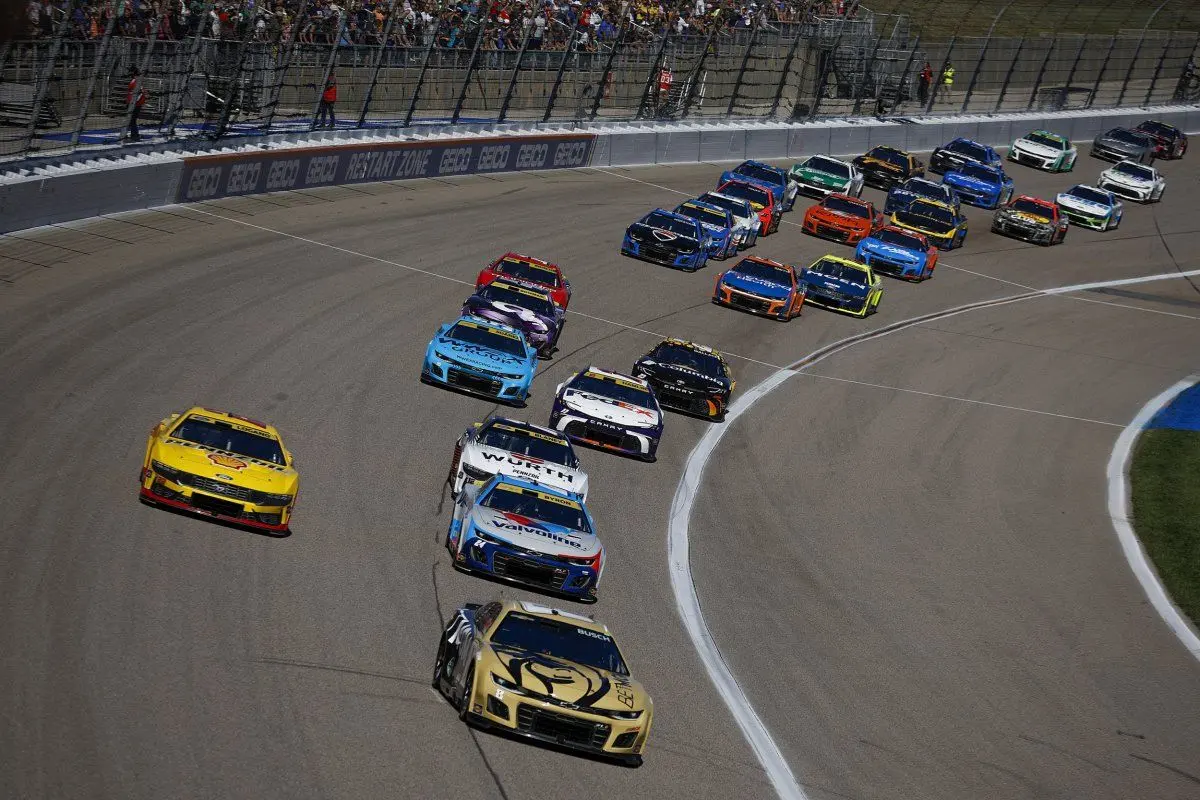
As NASCAR grapples with legal challenges from 23XI Racing and Front Row Motorsports, the core accusations against the organization revolve around allegations of “anticompetitive and exclusionary practices” that purportedly prioritize NASCAR’s financial interests over those of the racing teams.
Central to the dispute is the distribution of broadcast finances under the previous charter system, which teams claim unfairly enriches NASCAR and tracks at their expense.
The revenue split is as follows:
- 65% of TV revenue is allocated to the tracks, providing them with a considerable financial advantage.
- 10% is retained by NASCAR, allowing the organization to secure a noteworthy portion of the earnings.
- 25% is designated for the teams, leaving them heavily reliant on sponsorships to maintain operations.
Even with a proposed 40% increase in the teams’ share under the 2025 media agreement, concerns persist about the sustainability of team finances, as articulated by Jimmie Johnson.
Jimmie Johnson Breaks Down Revenue Model
Jimmie Johnson elucidates the intricacies of how Cup Series teams generate revenue, emphasizing the substantial impact of on-track performance on financial outcomes. He describes a revenue model that hinges on three main components: race performance, media rights, and sponsorships.
Johnson explains, “The better you finish, the more revenue you share in,” highlighting the importance of consistent performance across races. Teams benefit from prize money, derived from both annual and race purses, which are influenced by media rights.
“A lot of it really depends on on-track performance. The better you finish, the more revenue you share in – there’s three different buckets of revenue that you share in. The better your averages are every year, the better you finish each race – the more cash you get. The media rights feed into your prize money. For prize money, you have your annual year-end and race purse. So those guys are on one bucket. Then you have license merch, you have your sponsorship, and that’s it.” – Jimmie Johnson
Moreover, merchandising licenses and sponsorships constitute crucial revenue streams, with sponsorships often dictating driver selection, as seen in Paul Menard’s case. Chase Briscoe echoes this sentiment, acknowledging the critical role of funding in team decisions.
“There’s, I mean, it’s always more money-driven, but it has changed. I feel like once you get to the cup level, it is a little bit different. Like typically at the cup level at least, like for the most part, everybody kind of just goes and gets who they want and, they figure out the funding. But you still definitely have, you know, parts of the cup series where guys are, you know, paying to be there. They have a sponsor or something.” – Chase Briscoe
Despite changes at the NASCAR Cup level, financial considerations remain paramount, with certain drivers securing spots due to sponsorship backing. Johnson’s breakdown reveals the complex financial landscape teams navigate within NASCAR’s competitive environment.
 Tony Stewart Breaks Leg in Horrific Accident 3″ width=”1200″ height=”800″ srcset=”https://slicksandsticks.com/wp-content/uploads/2024/11/NASCARs-Tire-War-Hero-Retires.webp 1200w, https://slicksandsticks.com/wp-content/uploads/2024/11/NASCARs-Tire-War-Hero-Retires-300×200.webp 300w, https://slicksandsticks.com/wp-content/uploads/2024/11/NASCARs-Tire-War-Hero-Retires-1024×683.webp 1024w, https://slicksandsticks.com/wp-content/uploads/2024/11/NASCARs-Tire-War-Hero-Retires-768×512.webp 768w, https://slicksandsticks.com/wp-content/uploads/2024/11/NASCARs-Tire-War-Hero-Retires-630×420.webp 630w, https://slicksandsticks.com/wp-content/uploads/2024/11/NASCARs-Tire-War-Hero-Retires-150×100.webp 150w, https://slicksandsticks.com/wp-content/uploads/2024/11/NASCARs-Tire-War-Hero-Retires-696×464.webp 696w, https://slicksandsticks.com/wp-content/uploads/2024/11/NASCARs-Tire-War-Hero-Retires-1068×712.webp 1068w” sizes=”auto, (max-width: 1200px) 100vw, 1200px” />
NASCAR’s Ownership Role and Jimmie Johnson’s Concerns
NASCAR’s evolving ownership structure presents a complex challenge to the sport’s revenue distribution model, particularly with its notable control over both the sport and the venues where races occur.
The crucial shift in 2019, when International Speedway Corp. and Speedway Motorsports Inc. went private, further centralized NASCAR’s influence as Jim France acquired most racetracks. This consolidation has greatly altered the financial landscape, as Jimmie Johnson pointed out, emphasizing the overarching control NASCAR maintains:
“NASCAR has its own strategy in negotiations that it handles. Because here’s where it gets even more interesting. NASCAR not only owns the sport, but they also own half the tracks that we race in. We’re now racing a spec car that NASCAR controls the vehicles and their production…So the evolution of our sport – it’s changed quite a bit.” – Jimmie Johnson
- Ownership and Control: NASCAR not only governs the sport but also owns approximately half of the tracks, creating a unique dynamic in revenue allocation.
- Spec Car Production: The introduction of NASCAR-controlled vehicles has shifted the competitive and financial equilibrium, as teams now operate within a standardized framework.
- Strategic Negotiations: NASCAR’s dual role in managing both sport regulations and venue operations complicates negotiations, affecting team profitability.
Charter Sale Dispute Between Johnson and Rick Ware
The ongoing charter sale dispute between Jimmie Johnson’s Legacy Motor Club (LMC) and Rick Ware Racing (RWR) highlights the complexities and potential pitfalls inherent within NASCAR’s charter system.
“This lawsuit distorts the actual facts and is a misguided attempt to tarnish our reputation. RWR has negotiated in good faith and operated with the highest standards of integrity and professionalism. We are confident that the truth will prevail and look forward to swiftly resolving this matter through the proper legal channels.” – Rick Ware Racing
In January 2025, Johnson acquired a majority stake in LMC, intending to expand to three cars. Discussions with RWR commenced to purchase one of its charters. A deal was reportedly finalized in March; however, a timeline discrepancy arose. Johnson argued the charter transfer was due by early 2026, while Ware believed it was set for 2027.
Consequently, LMC filed a lawsuit alleging RWR’s illegal withdrawal from the agreement.
In response, RWR refuted these claims, asserting that the lawsuit misrepresents facts and damages their reputation. RWR maintains they negotiated in good faith, adhering to integrity and professionalism.
This legal confrontation emphasizes the intricacies of NASCAR’s charter system, illustrating the challenges teams face in maneuvering contractual agreements within the sport.

News in Brief: NASCAR Revenue Challenges
Jimmie Johnson’s critique of NASCAR’s revenue model highlights considerable financial challenges faced by teams, pointing out a contentious charter system that arguably favors NASCAR’s ownership. His insights reveal discrepancies in revenue distribution, fueling ongoing disputes such as the one with Rick Ware over charter sales. This situation accentuates the need for a reevaluation of financial structures within the sport to guarantee equitable support for teams, thereby safeguarding the competitive integrity and sustainability of NASCAR’s racing ecosystem.
ALSO READ: Jimmie Johnson Unveils Bold Vision to Defy NASCAR’s ‘Financial Bubble’ Critics