
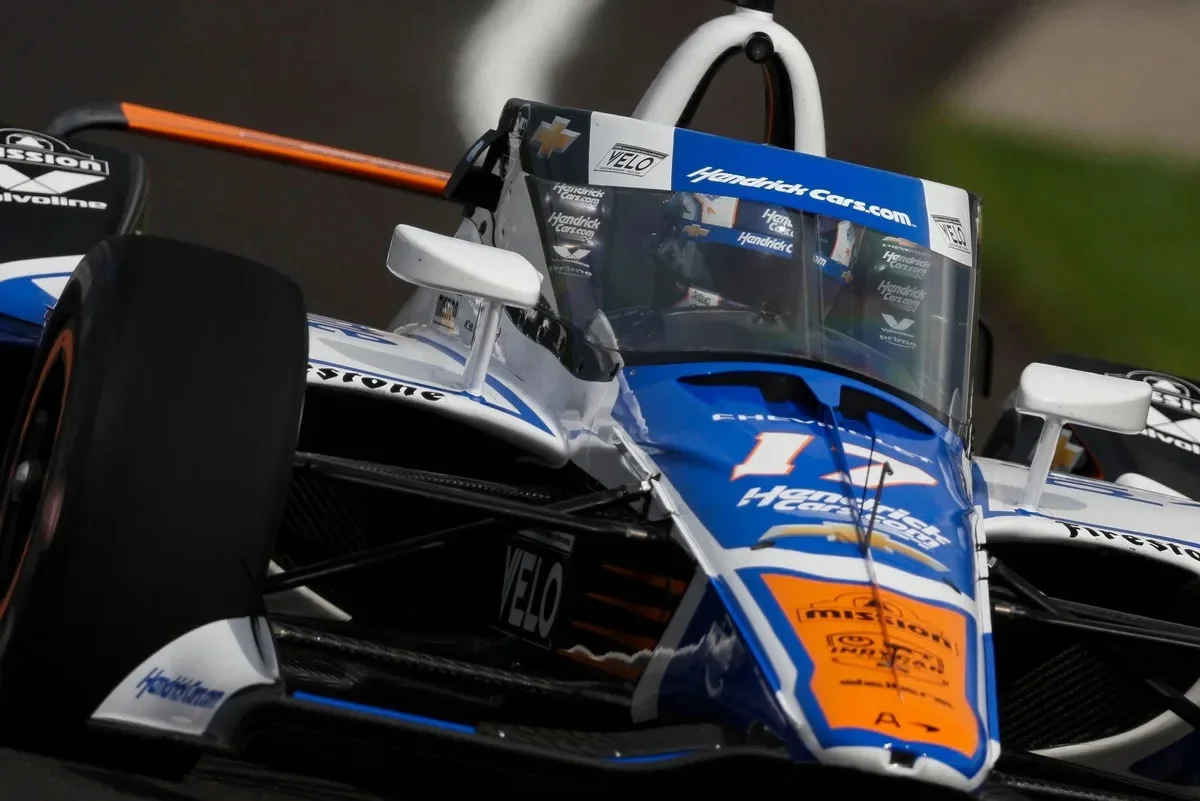
Danica Patrick faces a wave of criticism after FOX Sports announced she would co-anchor its coverage of the Indianapolis 500 alongside Tony Stewart. On May 15, 2025, the network revealed that both Patrick and Stewart would join Chris Myers in the secondary booth as FOX prepares to broadcast the iconic race for the first time, a move that immediately drew intense public reaction. While Stewart is welcomed back with open arms by motorsports enthusiasts, Danica Patrick’s participation has ignited debate about her credibility and contributions as a broadcaster, polarizing fans and industry observers alike.
FOX’s lineup is designed to blend technical expertise with media star power. Having earned her place in motorsport history, Danica Patrick brings the distinction of being the first woman to win an IndyCar race and holds the best-ever finish by a female driver at the Indy 500. Alongside her, Tony Stewart delivers well-respected insight from his extensive racing career, which includes being the 1997 IndyCar champion and a three-time NASCAR Cup Series winner. NFL personalities Michael Strahan and Rob Gronkowski are also set to make appearances, creating an all-star backdrop for a race that’s both historic and widely anticipated.
Yet, the reaction from viewers has been far from uniformly positive. On various social platforms, many fans express dissatisfaction with Danica Patrick’s analytic abilities, with comments ranging from harsh criticism of her broadcasting style to outright calls for her removal. One viral post asked pointedly,
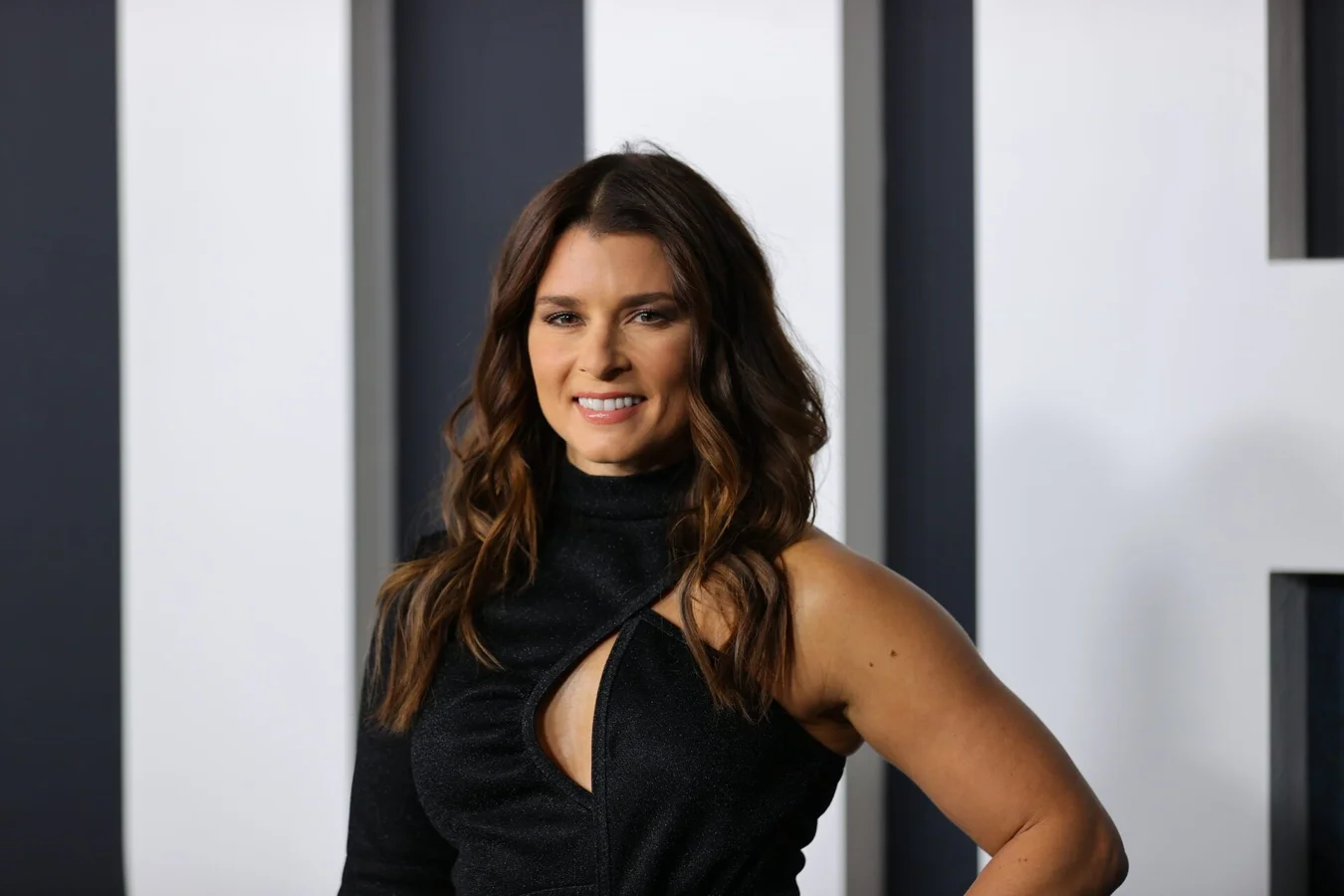
The sentiment was echoed in racing forums and social media threads, where contributors highlighted specific broadcasting missteps, with one user noting,
Many cited her previous stints with Sky Sports F1 and CBS’s SRX broadcasts as periods marked by factual errors, awkward moments, and a perceived lack of preparation.
The criticism directed at Danica Patrick is not unprecedented. As early as her transition into broadcasting, fans and pundits scrutinized her performances. A well-known F1 incident saw Patrick wrongly announce Lewis Hamilton as the winner when Max Verstappen was leading, which fueled further skepticism about her expertise. While some critiques have focused on her alleged tendency to miss details or appear disengaged during analysis, others point to what they describe as a broader failure by networks to prioritize experienced commentary over star power. Through all this, FOX’s choice to include Patrick has become a lightning rod for discussions on the value of celebrity versus preparation in sports media.
Amid the backlash, supporters of Danica Patrick highlight her trailblazing journey and significant influence on racing culture. Her win in the 2008 IndyCar Series and third place at the 2009 Indy 500 shattered long-standing gender barriers, inspiring a new generation of female drivers. As Tony Stewart said,
These words underscore the complexity surrounding the criticism, as Patrick has undeniably expanded the horizons of motorsports for women and left an enduring mark on the industry.
The return of Tony Stewart to the Indy 500 booth serves as a strong contrast to the challenges Danica Patrick faces. Stewart, lauded for his clear and engaging commentary, has broadcast for FOX’s NASCAR events and is recognized for his technical proficiency and genuine rapport with fans. His presence on the Indy 500 team has been met with enthusiastic approval, with many viewers anticipating an insightful, entertaining experience. Stewart’s ability to break down complex racing strategies and connect with audiences has set a high bar for broadcasts, one that many feel Patrick has yet to meet as consistently.
With this year’s Indy 500 being FOX’s inaugural broadcast, the network’s decision to pair Stewart and Danica Patrick has turned the event into more than just a race—it’s now a touchpoint for broader conversations about expertise, credibility, and public perception in motorsport. While Stewart’s return is widely celebrated, Patrick’s inclusion continues to bring out sharply divided viewpoints, illuminating the passionate, high-stakes world of racing fandom and sports broadcasting.
Fans continue to voice frustration, with posts such as,
Social sentiment maps out a clear divide: Stewart is showered with praise for his “authenticity” and insider knowledge, while negative commentary regarding Danica Patrick’s analysis often dominates feeds on race forums and Twitter. Critics often argue that her repeated appearances on major sports networks reflect a focus on celebrity, rather than on the depth or accuracy expected from on-air analysts. Some suggest that Patrick’s high profile in the booth undermines viewers’ expectations for informed, meticulous coverage.
Despite the criticism, Danica Patrick remains a prominent figure in motorsports broadcasting. Since retiring from full-time racing, she has carved out a space in media, serving with NBC, Sky Sports F1, and now FOX Sports. Her ability to transition between major automotive disciplines—IndyCar, NASCAR, and Formula 1—places her in rare company. Some industry experts contend that her presence brings valuable insights from her firsthand experience, although not all fans agree that her commentary meets the technical standards upheld by fellow analysts like Stewart.
Her career path, from trailblazing racer to media personality, has made Danica Patrick a frequent topic for both admiration and scrutiny. Even as viewers question the depth of her broadcast analysis, the fact remains that Patrick broke meaningful ground in both racing and sports journalism. She offers a perspective rooted in competing at the highest levels of motorsport, and supporters believe that her journey—even with imperfections—adds important context to event coverage. Others, however, stress that familiarity with the spotlight cannot substitute for rigorous preparation and keen insight on-air.
Tony Stewart’s role in the broadcast booth is widely perceived as a stabilizing presence for FOX. Having succeeded on the track and behind the microphone, Stewart is viewed as both entertaining and expertly informed. His return to the Indy 500 broadcast is expected to draw in dedicated fans and add meaningful depth to the coverage. Amid heightened anticipation, Stewart’s contributions are predicted to further cement his reputation as a go-to voice in racing media, reinforcing the network’s strategy of leveraging proven talent.
Supporters of Danica Patrick argue that her high-profile status and compelling backstory help broaden racing’s appeal, bringing more attention and diverse perspectives to events like the Indy 500. They cite her impact on female participation in motorsports, suggesting that her presence in the booth continues this legacy by encouraging more women to consider careers in racing and sports media. These advocates believe that Patrick’s continued involvement, even in the face of criticism, is a testament to her resilience and ability to overcome adversity in a challenging field.
The difference in public reception between Stewart and Danica Patrick is striking. Stewart is credited with elevating the broadcast experience, while Patrick’s appearance tends to draw skepticism, and sometimes scorn. Many fans have called on networks to prioritize proven communicators and seasoned analysts, while others suggest that figures like Danica Patrick play a vital role in challenging outdated expectations about who can claim expertise in racing. For its part, FOX appears committed to its strategy of mixing established racers, media veterans, and celebrity guests, hoping the blend will appeal to a broad and growing viewership.
In the lead-up to race day, the conversation around Danica Patrick’s contribution remains intense and unresolved. Her supporters see her as a revolutionary figure, whose accomplishments far outweigh her broadcast mistakes, while detractors point to repeated errors and argue that better-qualified analysts should be given the spotlight. Tony Stewart’s universally positive reception only amplifies the contrast, serving as a reminder of the high standards and public scrutiny faced by those in the broadcast booth of a major racing event.
The stakes for FOX Sports and its talent lineup are high. Millions of viewers will be watching to see not just who wins on the track, but how well the new broadcast ensemble captures the excitement and complexity of the Indianapolis 500. Danica Patrick’s every moment on-air is likely to be dissected on social media and in fan communities, fueling discussions about merit, diversity, and the evolving nature of sports coverage. For Patrick, the broadcast represents both an opportunity and a challenge: a chance to apply her racing wisdom and media experience to one of motorsport’s grandest stages, all under the scrutiny of one of the most passionate fan bases in sports.
As the Indianapolis 500 approaches, it becomes clear that the friction surrounding Danica Patrick’s analyst role has transcended the simple question of performance. It reflects larger tensions within motorsports and the media, raising questions about what defines credibility, who decides who gets a seat in the booth, and how the sport balances history, progress, and the demands of an evolving audience. Whether her critics or her advocates prove more influential remains to be seen, but Danica Patrick’s role—controversial as it is—ensures that the conversation around representation, performance, and the future of racing commentary will remain front and center as the green flag drops in Indianapolis.

