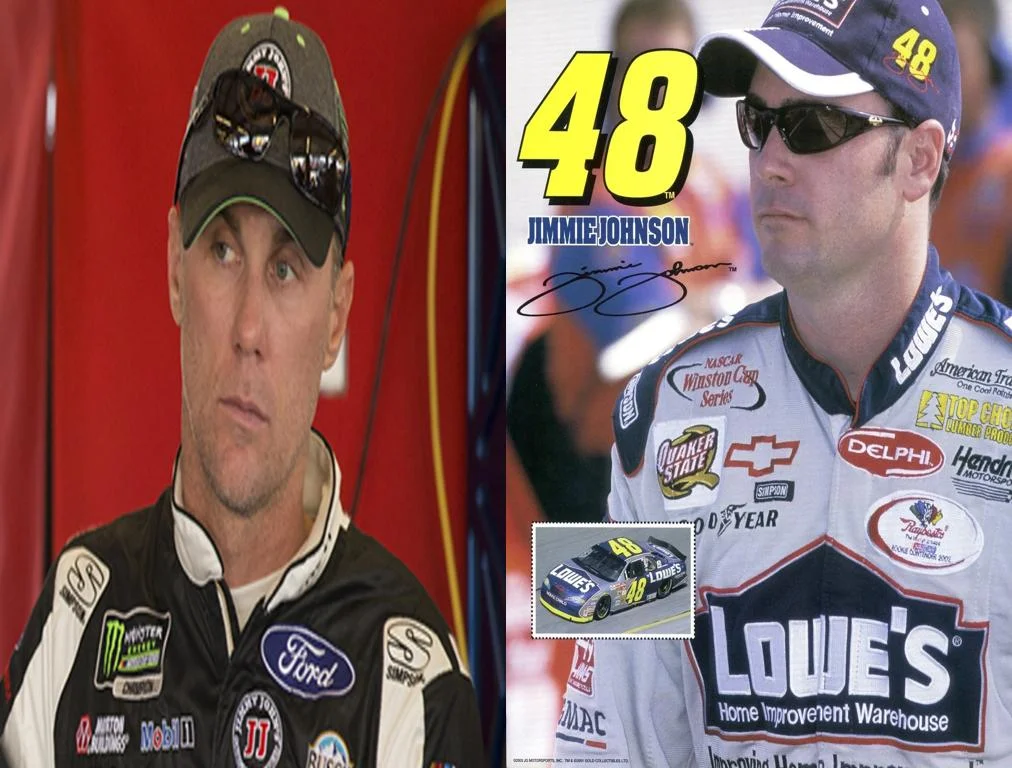
Veteran NASCAR driver Kevin Harvick made his opinion unmistakably clear on electric racing by distancing himself from the emerging E1 series after its American debut on Miami’s Biscayne Bay. During a recent episode of his Happy Hour podcast, Harvick declared his lack of interest as the country’s first look at the electric boat championship prompted questions about tradition, spectacle, and the future of motorsports. Kevin Harvick on electric racing is at the heart of this passionate debate within the racing world.
American Motorsports Faces the E1 Revolution
On November 11, 2025, Miami witnessed the arrival of the E1 series, where the city’s waterfront transformed into a raceway for hydrofoiling, all-electric powerboats capable of speeds near 50 knots. The event was nothing short of a show, featuring stars like Will Smith engaging the crowd and Tom Brady’s team seizing a championship win in dramatic fashion. The city sought a captivating event, and it delivered on that promise. Despite the thrilling atmosphere, one voice stood firmly against the electric wave—former NASCAR Cup Series champion Kevin Harvick.
Harvick, who built his career at the controls of high-powered V8 engines, did not hide his skepticism toward the silent, battery-driven competitors. While Miami celebrated the spectacle, Harvick viewed the rise of electric competition as fundamentally at odds with his racing roots. In a world where roaring engines have defined the fan experience, electric racing’s quiet performance left him unimpressed.
Kevin Harvick’s Take: Tradition Over Technology
On his podcast, Harvick expressed his discomfort with the electrification of racing, stating,
“If you go to a race, you don’t want to watch a boat go by and just go… I want to hear noise.”
– Kevin Harvick, Driver. When co-host Kaitlyn Vincie remarked on the quietness of the series, Harvick was even more direct about his stance:
“If you say electric racing, I’m out.”
– Kevin Harvick, Driver.
He reminisced about classic boat racing, adding,
“I want to smell the fumes. Yeah. And when you talk about racing boats, I think of this Budweiser and all the big boats that used to just glide across the top of the water. Jimmie Johnson went and got back into one of those boats, not three or four months ago. But those are the boats that I remember racing—and that boat racing was cool… I haven’t even seen it, and I’m not impressed.”
– Kevin Harvick, Driver.
Harvick’s sentiments highlight a cultural and generational divide growing within motorsports. The allure for him lies in the raw sound and physicality of combustion-powered machines—the very elements electric racing omits for sleek, efficient speeds and sustainability.
An E1 Showdown for the History Books
The inaugural E1 event in the United States doubled as the series’ 2025 season finale. Tom Brady, whose competitive legacy spans from the gridiron to the waterways, led his team into a tense final match, narrowly ahead of Rafael Nadal’s crew. By day’s end, Brady’s squad clinched their second consecutive title, underscoring his prowess as a champion in varied arenas. For electric racing proponents, the Miami event was a showcase of innovation and exhilaration, featuring nine teams maneuvering identical, hydrofoiling Racebirds—24-foot craft powered by 150 kW electric motors. As these vessels soared at 50 knots, pilots had to balance precision, battery management, and relentless competition.
The E1 series stood out for its unique blend of racing and flight. Unlike the traditional spectacle cherished by Harvick, E1 boats lifted entirely onto their hydrofoils once reaching 18 knots, gliding above the water’s surface with turbine-like whirs, rather than growls or rumble. Such advancements signify what many believe could be the new horizon of motorsports, even though Harvick’s viewpoint resolutely favors the dramatic energy of fuel-driven racing.
NASCAR’s Moment of Reflection: Embracing Electric?
While athletes like Jimmie Johnson have tested the waters—both figuratively and literally—by taking a historic hydroplane for a demonstration run on Lake Washington in Seattle, the broader racing community faces a crossroads. Johnson piloted the iconic Blue Blaster, powered by a 2500 hp Merlin engine, to nearly 100 mph, highlighting the ongoing nostalgia for loud, high-octane machinery within the sport’s upper ranks. Yet, American motorsports cannot ignore the global shift toward cleaner, more efficient technologies, a conversation Kevin Harvick on electric racing makes especially timely.
NASCAR itself has acknowledged these winds of change. In a notable step, officials collaborated with ABB to unveil a fully electric, all-wheel-drive prototype at Phoenix Raceway during the championship weekend. The public demonstration—which featured a pit stop challenge for quick four-tire changes—showcased the car’s capabilities and fueled conversations about the sport’s electric future. CJ Tobin, NASCAR’s R&D Director of vehicle services, shared insight into their approach, stating,
“We’ve taken the approach of trying out different things with this vehicle to show off what it can do. The pit stop challenge was a great way because of its quick burst.”
– CJ Tobin, R&D Director.
This prototype, with a 1300 hp output, represents an experimental leap from the next generation of Cup cars, which are slated for a more modest power boost. Engineers are especially interested in performance around tracks with heavy braking zones, where regenerative systems recover energy with every stop, pointing to a more sustainable motorsports landscape.
An Industry at a Turning Point
While Kevin Harvick continues to champion the traditional thrills of motorsports, the rising momentum behind events like E1 and NASCAR’s electric concept car suggests significant change is underway. Each innovation, public demonstration, and high-profile electric event feeds into a broader dialogue on the evolution of racing. The tension between nostalgia and progress is palpable, embodied by figures like Harvick, Tom Brady, and Jimmie Johnson who define the competing eras of sport.
For fans, racers, and the industry at large, the road ahead promises both excitement and uncertainty. As motorsports adapts to environmental trends and technological breakthroughs, the voices for and against electrification, including Kevin Harvick on electric racing, ensure a passionate debate will shape the next generation’s experience at the track—or, in the case of E1, on the water. The spotlight remains on how legends, engineers, and new audiences will navigate these uncharted waters.