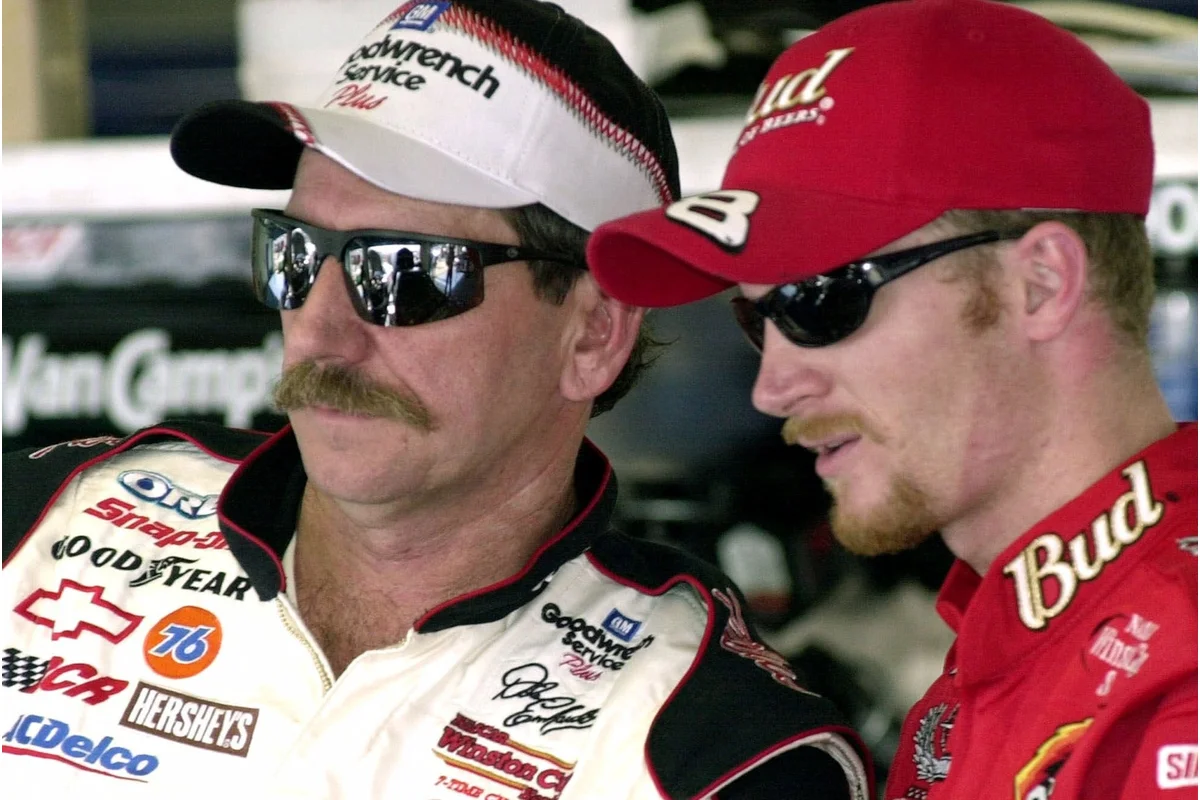
Dale Earnhardt Jr. has carved out a formidable space in NASCAR media, harnessing his unique strategy to lead Dirty Mo Media to the top of the industry. On the heels of his lengthy NASCAR career, Earnhardt Jr. has explained that the secret behind the empire’s success is grounded in timing and a keen understanding of the fan base—a formula that makes the Dale Earnhardt Jr NASCAR media approach stand out.
Since founding Dirty Mo Media in 2013, Earnhardt Jr., now 51, has embedded himself in one of the sport’s most influential talk shows. The Dale Jr. Download is produced and released on Tuesdays, capturing fan reactions after the race weekend settles. This intentional pace lets Earnhardt and his team absorb the myriad of opinions and discussions that spring up across the NASCAR ecosystem early each week.
Speaking openly about his method, Earnhardt Jr. explained,
“I like that we get a couple of days to hear what everybody’s opinions are,”
Dale Earnhardt Jr., NASCAR veteran. He added,
“It’s a little bit like cheating, because we can come in and already have an idea of what the temperature of the fan base is, or the reaction to whatever happened Sunday.”
Dale Earnhardt Jr., NASCAR veteran. These insights let Earnhardt tailor each episode to both reflect and challenge the prevailing sentiments among NASCAR’s most passionate followers.
By Tuesday, the NASCAR media cycle is already robust, with shows like Dirty Mo’s The Teardown—hosted by Jeff Gluck and Jordan Bianchi—and Door Bumper Clear, featuring Freddie Kraft, Tommy Baldwin, and Karsyn Elledge, among others, already aired. Denny Hamlin’s Actions Detrimental often comes out even earlier. This schedule allows Earnhardt to enter each discussion deeply informed by his fellow commentators and wide-ranging fan reactions.
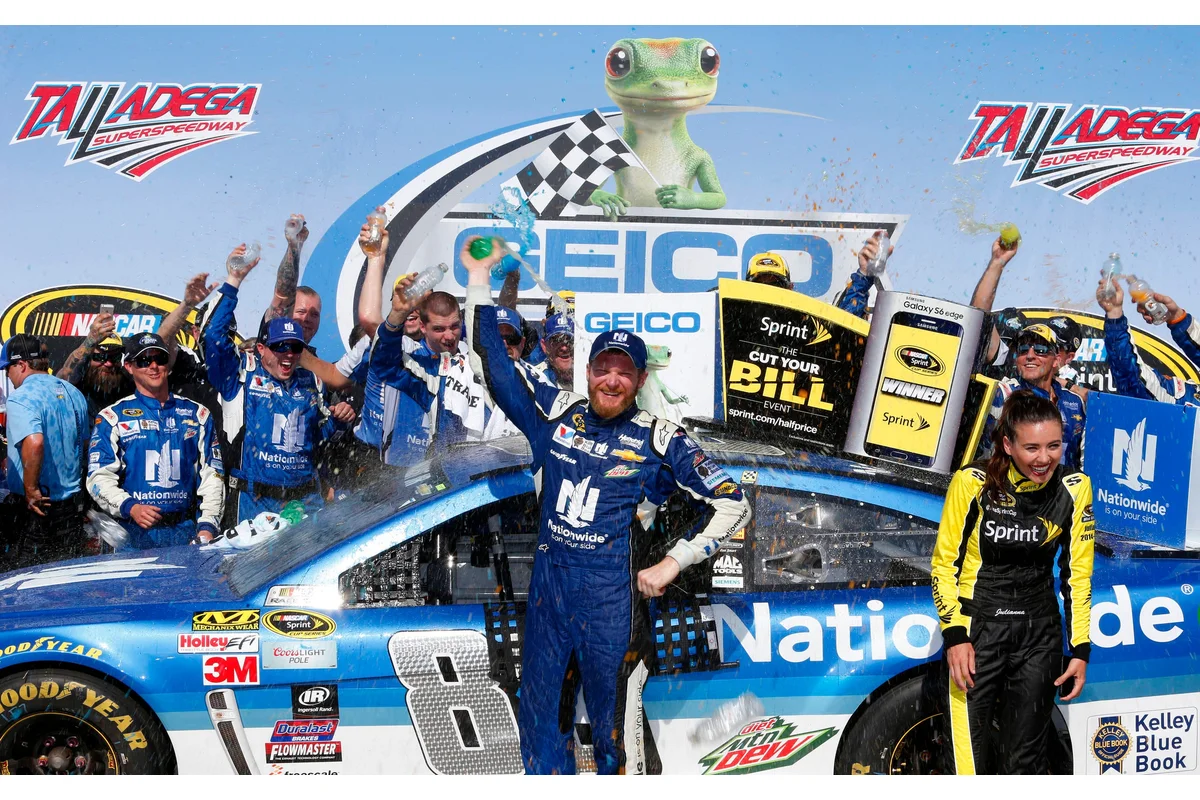
Success Beyond the Microphone: Dirty Mo Media’s Impact and Reach
This data-driven timing and approach have made Dirty Mo Media one of the most recognized brands in NASCAR coverage. Industry observers typically estimate the North Carolina-based production company’s annual revenues to land somewhere between $50 million and $100 million, though these figures rely on sector-wide groupings and remain unconfirmed by Dirty Mo itself. The brand’s YouTube presence is significant as well, with ad revenue reportedly placing the channel’s worth in the $600,000 to $880,000 range, based on public projections.
Earnhardt Jr.’s insights—absorbed through a busy web of shows, opinions, and fan debates—power the unique voice of his content. He manages a team that draws from a broad spectrum of NASCAR knowledge and personality, further strengthening Dirty Mo Media’s position among the sport’s die-hard and casual fans alike.
However, the transition to media mogul has come with fresh challenges for Earnhardt Jr. Even as his presence grows, he admits that occupying NASCAR’s most influential media seat comes with strains and pressures not unlike those he felt behind the wheel, if not more complex.
The Emotional Toll of Being NASCAR’s Leading Voice
Earnhardt has repeatedly spoken about the demands that come with his new role—the expectation to offer consistent, honest opinions and the mounting scrutiny from such a visible media platform. He finds the responsibility of influence heavy, particularly when sensitive or controversial topics hit the NASCAR world.
“People were going on and on about either something I had said or the lawsuit or the show, and how I was in a bad (expletive) mood,”
Dale Earnhardt Jr., NASCAR veteran. This admission reveals how public perception adds emotional stress and affects his mindset.
He described the difficulty of being expected to react to every major story or controversy, stating,
“Sometimes I’ve said, ‘I don’t want to talk about this today.’ I don’t want to always sit down and say, ‘Here is what I think, everybody.’”
Dale Earnhardt Jr., NASCAR veteran. The pressure to provide constant, in-depth analysis sometimes clashes with his own need for privacy and reflection.
In moments of intense scrutiny, such as the high-profile antitrust case involving NASCAR, Earnhardt found himself in a difficult balancing act—torn between loyalty to NASCAR’s France family and understanding the perspectives of team owners like Michael Jordan, Denny Hamlin, and Bob Jenkins. The complexities of these relationships often left him fatigued by the weight of expectation and the potential fallout from taking any side too publicly.
He reflected on his level of comfort in this highly public position, admitting,
“I don’t know that I’m comfortable or have gotten more comfortable,”
Dale Earnhardt Jr., NASCAR veteran, and continued,
“Some days it’s easier than others.”
Dale Earnhardt Jr., NASCAR veteran. This struggle underscores the emotional tension of operating at the intersection of fandom, history, and media scrutiny.
Balancing Transparency, Loyalty, and Personal Limits
Earnhardt has acknowledged that true expertise as a media leader is not just about having access or insight—it is also about knowing when to speak and when silence better serves the audience and sport. Particularly during the antitrust dispute, after lengthy legal developments and eventual settlement, Earnhardt felt the internal conflict linger long after the headlines faded.
He empathized with both team owners and longtime allies within the sport. Yet, even with his trademark transparency, he has come to understand the importance of boundaries: sometimes, contributing another opinion only adds to the noise, and restraint demonstrates wisdom in itself.
At a time when NASCAR and much of the sports media landscape seem to demand rapid, continual commentary, Earnhardt’s approach reveals a more nuanced reality—personal values, history, and loyalty must all be weighed against the unending appetite for immediate reaction. His candor with fans and willingness to admit discomfort grant his voice rare authenticity, but also highlight the emotional price of being at the center of the NASCAR conversation.
Looking forward, the Dale Earnhardt Jr NASCAR media model is likely to keep shaping how fans, insiders, and drivers engage with the sport—offering a mixture of honest voice, careful timing, and a respect for the complexities that define racing and the community that supports it.