
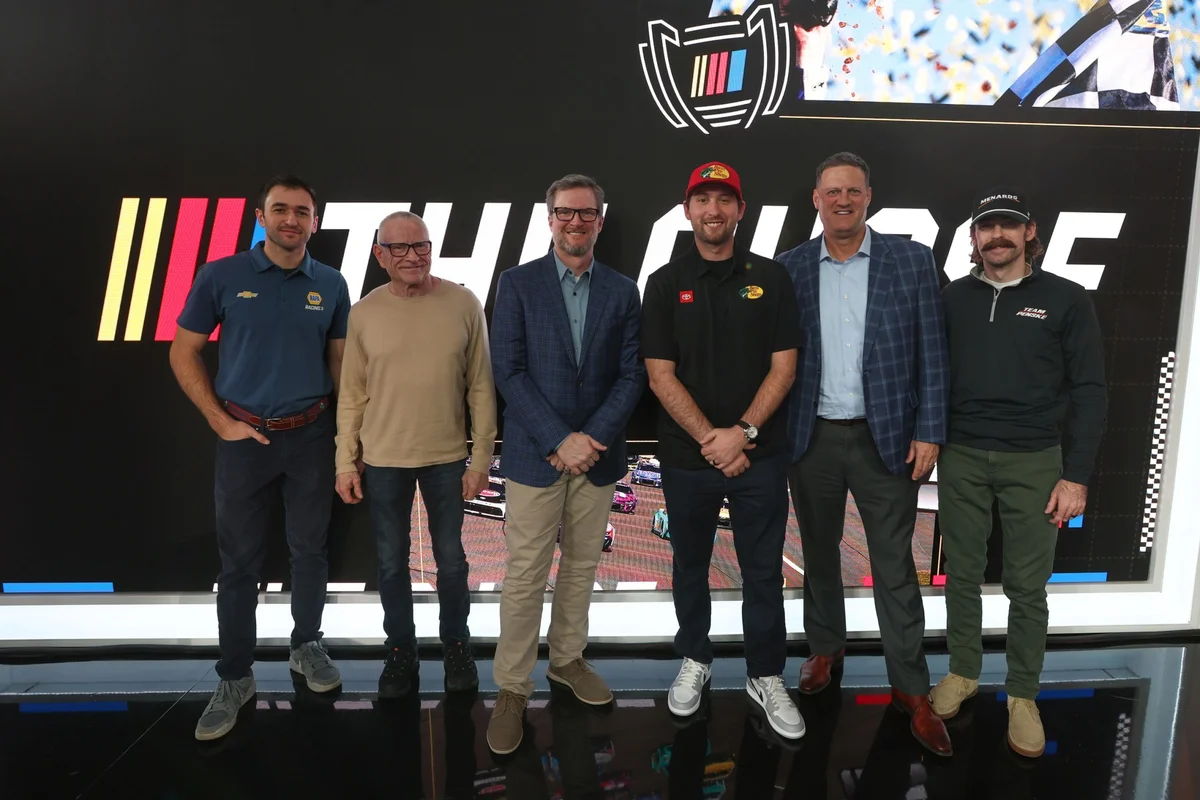
Chase Elliott, a top driver for Hendrick Motorsports, voiced his opinions on NASCAR’s revised playoff structure for the 2026 season during a media event at the NASCAR Productions Facility in Concord, North Carolina. The new system, which will replace the previous “win-and-you’re-in” approach, is set to affect the Cup Series, O’Reilly Auto Parts Series, and Craftsman Truck Series, placing more emphasis on regular-season performance and point accumulation—a significant topic for both drivers and fans eager to see how the changes unfold.
The change means that, starting in 2026, drivers must secure their place in the postseason based primarily on the season-long points standings. The top sixteen drivers will advance to the playoffs, ending the automatic entry method from earlier formats. This shift, as Chase Elliott has discussed, presents new challenges and opportunities, inviting varied opinions from different corners of the racing world.
Elliott’s Perspective on the Sixteen-Driver Playoff Field
Reflecting on how the alterations impact playoff qualification, Chase Elliott expressed that raising the field to sixteen drivers is a significant adjustment compared to when only ten drivers qualified. Elliott believes this compromise brings both positives and challenges, specifically noting the increased competition for playoff spots with the new system. In his own words:
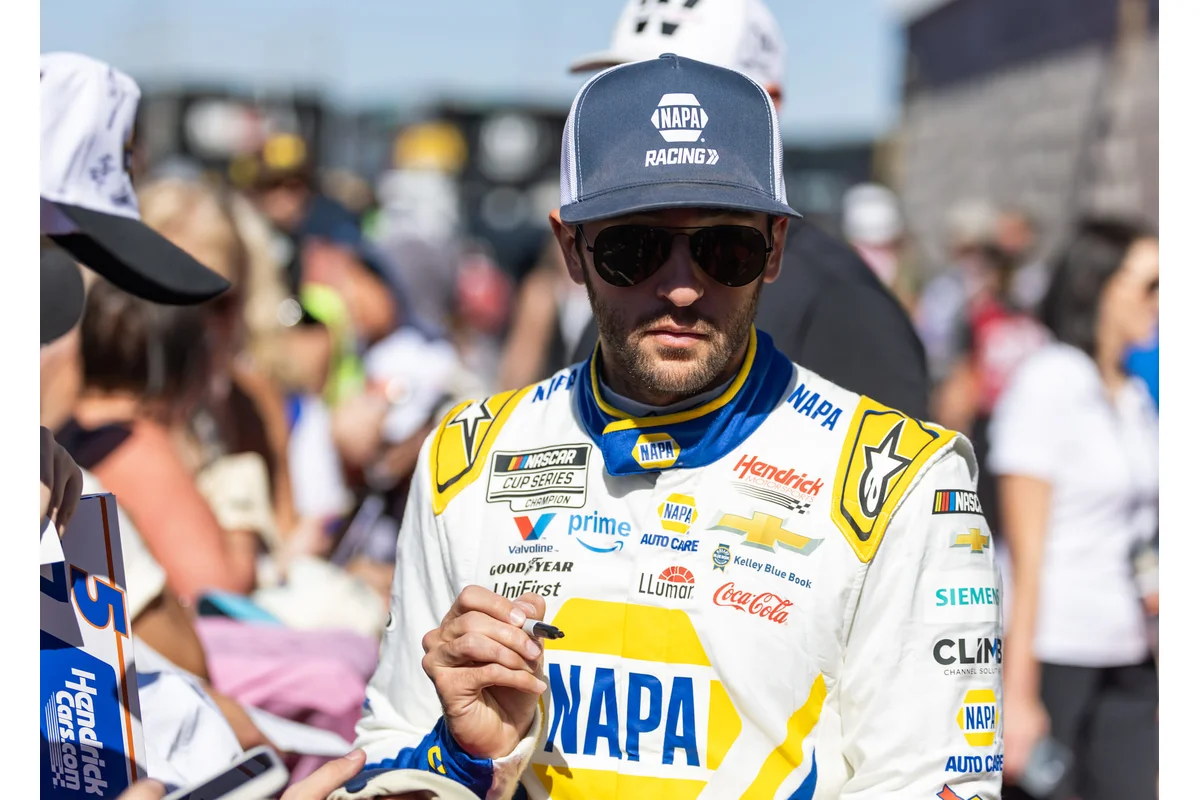
“I think it is a great compromise if I had one complaint of it…I think 16 is just too many. I thought that the 10-driver piece was really hard to get into. I still think 16 will be a challenge, but to me, I think, it’s a perfect compromise. You’re never gonna get everything you want.”
This shows that while Elliott is open to innovation, he still finds the broader playoff format to be a challenging transition from previous years. Elliott’s remarks highlight how the new system seeks balance, yet, he cautions, perfection in such compromises is impossible.
Breakdown of NASCAR’s Updated Championship Format
The overhauled playoff system will impact all three national NASCAR series. The Cup Series playoffs will consist of ten races, the O’Reilly Auto Parts Series will have a nine-race playoff, and the Craftsman Truck Series will feature a seven-race postseason. Unlike the prior format, the champion is now determined by the driver who accrues the most points during the set number of playoff races, shifting away from a single final event determining the title winner.
NASCAR President Steve O’Donnell shed light on the reasoning behind returning to a points-based format similar to what was used in the sport from 2004-2013, emphasizing the appeal for fans and the desire for simplicity:
“It’s something we believe the fans will embrace,” said O’Donnell. “It’s 10 races, with every race mattering and still being very simple to explain to the fans. One set of points, easy to explain, and the best driver at the end of 36 races is ultimately going to win the championship if they can perform for those final 10 races.”
By focusing on consistency and performance across several races, NASCAR hopes to create a fairer, more competitive way to crown a champion, aiming to keep longtime fans engaged while also making the sport more accessible for new audiences.
Chase Elliott Reflects on NASCAR’s Approach Compared to Other Sports
During the announcement event, Elliott reflected on the broader direction of NASCAR, acknowledging what he views as an industry-wide error. He stressed the importance of the sport maintaining its distinct identity rather than aligning itself too closely with other mainstream sports. Elliott described his viewpoint, stating:
“One mistake that we have made as an industry, and not just in this regard, and in other areas too, is trying to be like every other sport, you know, mainstream sports it’s out there. I think it’s super important to remember that we are not.”
“We’re not, and that’s okay because what we have can be really entertaining and really fun to watch,” Chase Elliott continued. “I still am a huge fan of motorsports, like, regardless of what I do for a living, I still love it.”
Elliott’s comments underline his belief that NASCAR’s unique roots and traditions are worth preserving, even as the sport evolves. He argues that the entertainment value and distinct culture of motorsports can remain strong so long as its individuality is protected.
Looking Ahead: The 2026 Season and What It Means for Drivers
The buzz around NASCAR’s next era will soon shift to on-track performance as drivers prepare for the Daytona 500—the traditional season kickoff, slated for February 15. For Chase Elliott, this marks his eleventh attempt at Daytona following a 15th-place finish last year, while his teammate William Byron holds the distinction of being the only active Hendrick Motorsports driver with two Daytona 500 victories.
As a former Cup Series champion and the reigning NMPA Most Popular Driver Award recipient, Chase Elliott’s opinions carry significant weight among NASCAR’s community. The sport’s leaders, including Steve O’Donnell and the broader NASCAR organization, are betting that the new points-based playoff approach will reinvigorate competition and revive fan enthusiasm. Many will be watching to see how drivers like Elliott adapt to the revised format and how it shapes championship battles in the years ahead.
Chase Elliott likes the fact that NASCAR isn't trying to be like other sports as much with going back to the Chase format. He thinks 16 drivers is too many but he's god with the new system. @NASCARONFOX pic.twitter.com/rgE8853mav
— Bob Pockrass (@bobpockrass) January 12, 2026

