
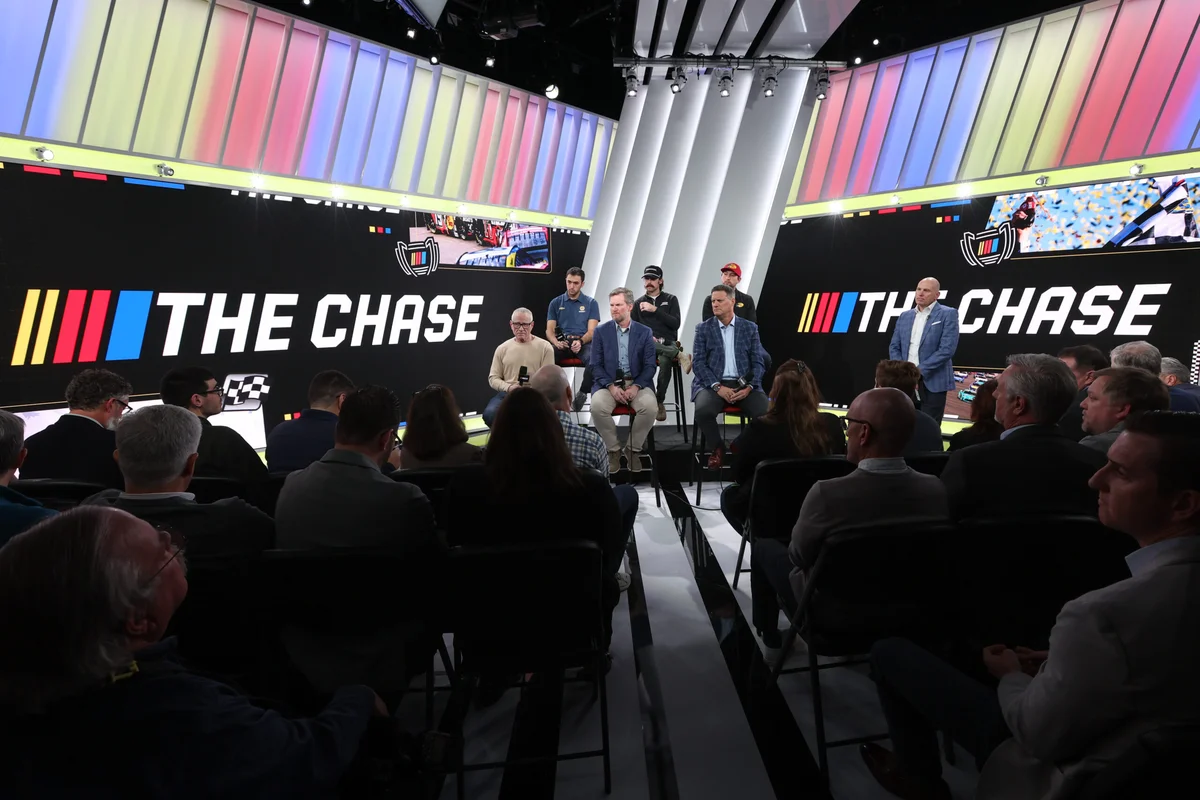
NASCAR is preparing to overhaul its championship format for the 2026 season, returning to a 10-race chase system reminiscent of past eras. Dale Earnhardt Jr., a key member of the Dale Earnhardt Jr playoff committee, recently expressed his deep uncertainties about the process and the potential for real change, sharing candid insights into the tense negotiations that shaped the new structure at Daytona.
Pressure Builds After Contentious Cup Series Outcomes
The debate over NASCAR’s playoff format intensified after Joey Logano’s 2024 Cup Series championship win, as fans questioned the system’s fairness, citing Denny Hamlin’s last-second loss in Phoenix following a late-race caution that handed the title to Kyle Larson. Dissatisfaction grew, with both supporters and insiders calling for reform, but ongoing legal disputes—most notably a charter lawsuit—slowed progress toward a revamped championship model. With the lawsuit finally settled, the sport has now acted on mounting pressure, enacting the changes so many demanded.
A Challenging Start for the Reform Committee
Dale Earnhardt Jr., alongside NASCAR officials, broadcasting partners, former stars like Mark Martin, and other drivers, joined the playoff committee tasked with shaping the future. Earnhardt entered the committee with enthusiasm, but his optimism quickly waned at their first meeting during the 2025 Daytona 500. Facing a room full of influential figures, Earnhardt felt the challenge was immense:
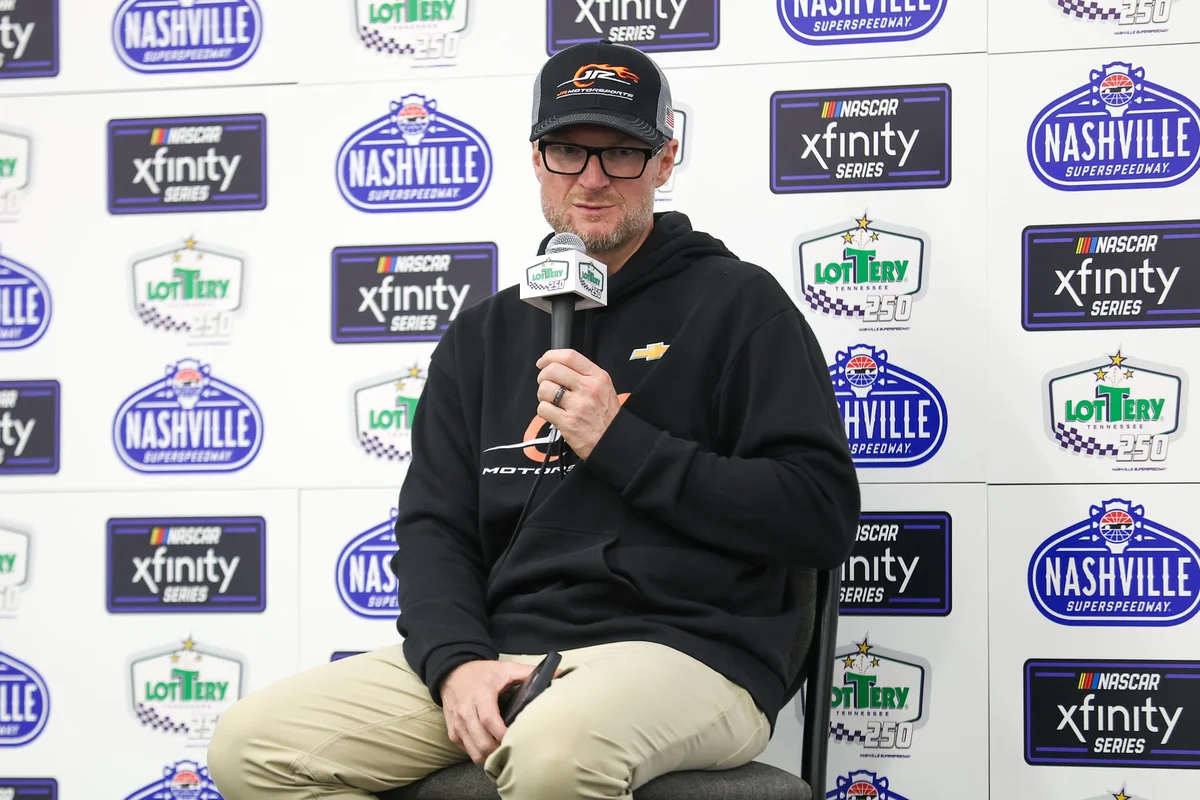
I looked across the room and I’m like ‘I can’t convince the networks to let go of what they want to hang on to. I don’t think I can convince NASCAR to go as far as they need to go.
—Dale Earnhardt Jr.
This moment underscored the conflicting interests present—each group holding firm to its vision, with network officials resistant to change and NASCAR executives cautious about sweeping reforms.
Open, Honest Conversations Drive Decision-Making
Despite these difficulties, the atmosphere inside the committee was shaped by frank discussions. Drivers like Christopher Bell voiced their desires directly to officials, making clear what changes they believed necessary. These candid contributions ensured that the needs of current competitors were at the forefront of debates about the playoff overhaul.
The Relentless Push for the Chase Format
Mark Martin’s advocacy emerged as a crucial driving force behind the push to reinstate the chase system. According to Earnhardt Jr., Martin remained unwavering in his commitment to the traditional format and played a vital role in persuading decision-makers to consider a return:
Earnhardt suggested that without Martin’s dogged determination, the chase may not have regained its place in NASCAR. However, the recent settlement of the charter lawsuit also shifted momentum, creating additional pressure for NASCAR to deliver tangible changes that resonated with both teams and the sport’s dedicated audience.
The Significance of the Committee’s Uncertain Journey
Dale Earnhardt Jr.’s honesty about the committee’s grim beginnings highlights the complex, sometimes contentious, environment that shaped NASCAR’s playoff future. The interplay between influential voices like Mark Martin, opinions from current stars including Christopher Bell, and the external pressures brought by legal settlements all contributed to the dramatic decision to revive the chase system.
For fans and participants alike, these developments mark a turning point for championship racing’s credibility and excitement, as NASCAR seeks to rebuild trust and deliver an outcome that satisfies both competitors and those watching closely from the sidelines.

