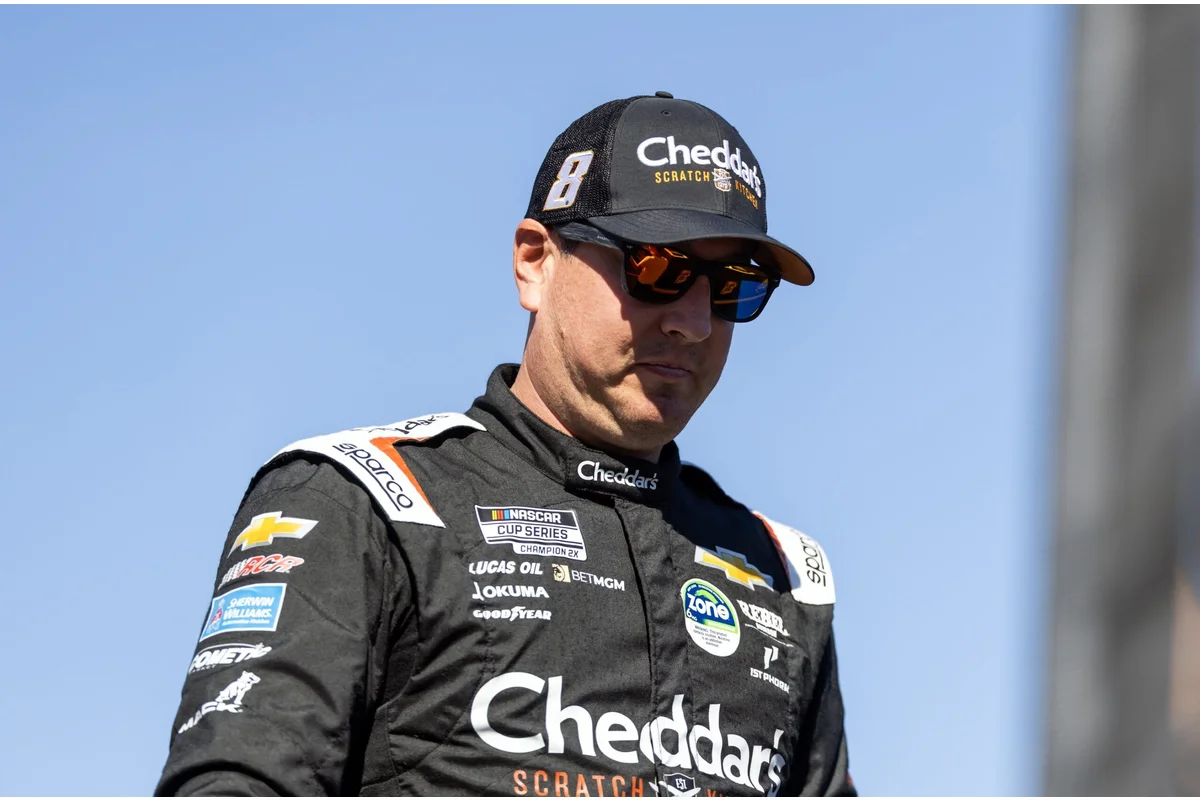
Kyle Busch has issued a stark NASCAR championship warning for 2026, delivering a reality check as the series reinstates the Chase format next year. Speaking just as the motorsport community begins to embrace the change, Busch reminded fans and drivers at the World Wide Technology Raceway in Madison, Illinois, that the championship overhaul may not cure racing’s most pressing problems.
NASCAR’s decision to bring back the Chase format in 2026 has generated excitement among teams, drivers, and fans yearning for a return to more traditional, consistent championship battles. With the focus shifting from elimination drama to sustained performance across the season, many insiders hope that the retooled structure will encourage cleaner racing and lessen desperate, win-at-all-costs maneuvers. However, according to two-time Cup champion Kyle Busch, the root issue—the rising tide of aggression among drivers—runs much deeper than any rules tweak.
Kyle Busch Doubts Aggression Will Disappear
When NASCAR management revealed the Chase format’s comeback for 2026, plenty of drivers expressed hope that the new approach would curb the rash of reckless moves witnessed during the elimination-based playoff era. During a press session at the track, one journalist directly asked Kyle Busch if the new system might finally discourage the wild, “dive bomb” tactics and aggressive contacts that have troubled the Cup Series. Busch, never one to pull punches, responded with a stinging critique of the current driver culture.
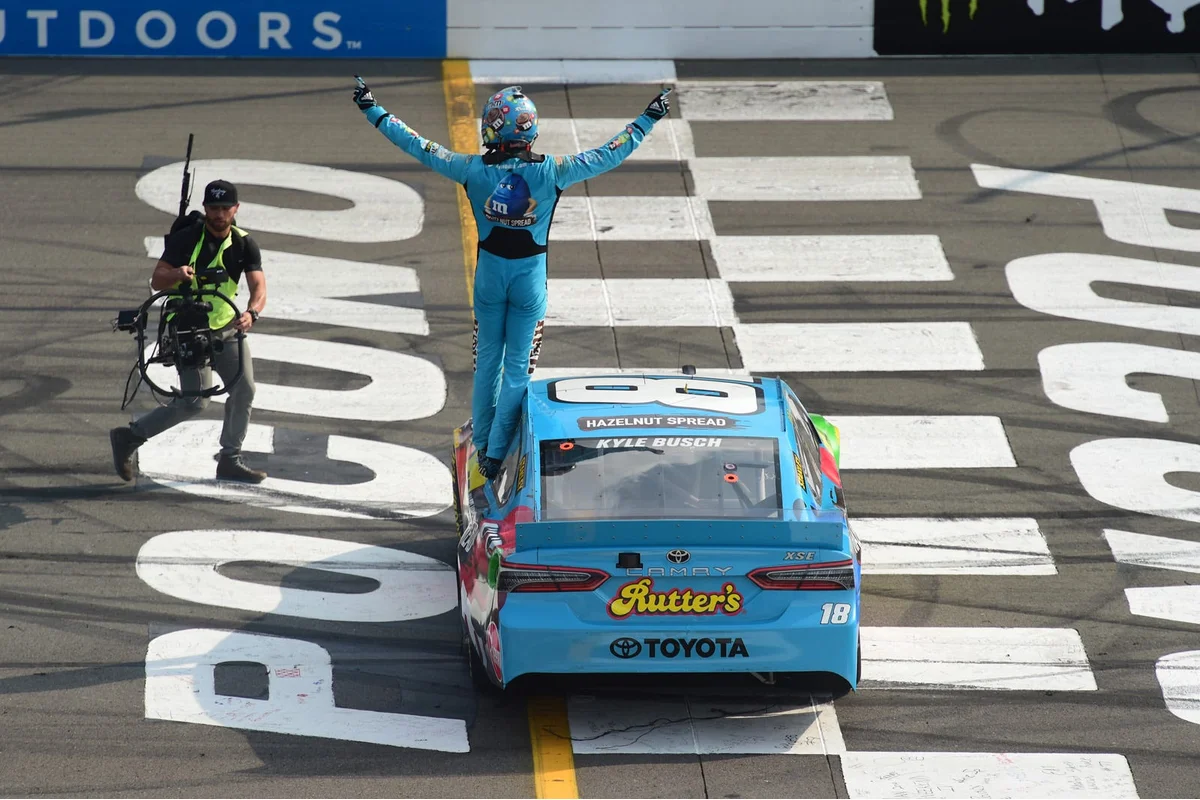
“No. When you watch all the children that race all year long in the ARCAs and Late Models and the other things, you see that stuff already. They’re taught from a very young age to dive bomb and run into them, and door that guy.”
– Kyle Busch, NASCAR Cup Series driver
Busch continued to outline his doubts that any playoff format could end the aggressive mentality that budding drivers are developing from their earliest racing days. He referenced the increasingly physical nature of racing across development series and the resulting “win at all costs” mindset that competitors bring with them to the major leagues. The concern isn’t so much that the Chase format itself historically produces desperate racing, but rather, that young racers now see hard, sometimes contact-heavy racing as the norm—well before they reach NASCAR’s top level.
Offering a pointed warning to every championship hopeful, Busch also said,
“Any crashes will kill your championship run”
– Kyle Busch, NASCAR Cup Series driver
Tracing the Rise of Aggression Across NASCAR’s Ranks
Kyle Busch’s skepticism is rooted in more than just opinion—it’s reflected in the on-track realities of recent seasons. With the aggressive style of driving pervasive among younger drivers, many of whom honed their craft in ARCA and Late Models, incidents have ballooned, and the margin between boldness and disaster remains razor-thin. These racing habits are learned early and tend to persist, regardless of what rules or formats are in place.
Carson Hocevar’s rapid rise through the stock car ranks illustrates Busch’s concern. After joining the Cup Series full time in 2024, Hocevar’s aggressive on-track style, honed through ARCA and Late Model experiences, quickly made him a controversial figure in the garage. Hocevar’s history with Busch goes all the way back to their time in Late Models, including an infamous run-in at Michigan’s Kalamazoo Speedway when, according to Busch, a young Hocevar put him in the fence without apology or explanation. This early encounter, in Busch’s view, is emblematic of a larger issue: young drivers are not being adequately coached away from the tactics that create rivalries and wrecks.
Busch makes it clear that while the Chase may reward consistency and perhaps lessen the late-season gambling, it cannot erase a mindset ingrained from youth. Aggressive racing, for better or worse, now defines the competitive edge in every series—meaning no format will easily unseat it.
Other Drivers React to NASCAR’s Format Shift
NASCAR’s recent decision to revert to the Chase model has triggered a flurry of public comments, both optimistic and wary. Notable figures such as Tony Stewart and Joey Logano have each weighed in, signaling shifts in their own approach as the new points system takes hold. Stewart in particular, known for his straight-talking persona, recently set his pride aside to confirm his own competitive plans for Daytona, despite strained relationships and uncertainty about how the evolving series will affect veterans.
Chase Elliott, another high-profile Cup driver, directly addressed skeptical fans regarding the series’ direction, emphasizing the need for both tradition and adaptation. Meanwhile, Joey Logano expressed shock at the change, hinting at a revised strategy to adapt to the championship’s new demands. As the countdown to Daytona and the official debut of the 2026 format draws closer, anticipation and apprehension both ripple through the garage.
Battleground: Daytona and the Truck Series Comeback
The tension surrounding NASCAR’s shifting landscape is not limited to the Cup Series. Tony Stewart, whose surprise Truck Series return for Kaulig Racing has electrified fans, faces a fresh challenge at Daytona in February. This marks Stewart’s first foray back into the Truck Series after over twenty years. While the Hall of Famer’s résumé speaks for itself, Busch wasted no time vocalizing just how intense the modern garage has become.
“I need to get him one of my shirts that I wore there a few years ago,”
– Kyle Busch, NASCAR Cup Series driver
He then added,
“Where this is the most expensive day of the year for the owners.”
– Kyle Busch, NASCAR Cup Series driver
Busch took his warning a step further, saying to Stewart,
“I hope he doesn’t plan on finishing,”
– Kyle Busch, NASCAR Cup Series driver
This wasn’t a dig at Stewart’s legendary talents, but rather a reflection on how relentless and chaotic superspeedway racing has become, particularly in the Truck Series. With drivers trained on aggressive tactics, the likelihood of multi-truck incidents at events like Daytona is higher than ever. While Stewart has kept his racing instincts sharp through NHRA Top Fuel competition and team management, his ultimate test will be navigating a field full of hungry young drivers willing to take huge risks for a shot at glory.
What the Future Holds for NASCAR and Its Champions
With Kyle Busch’s NASCAR championship warning ringing through the paddock, the coming season stands as a crossroads for the sport. As NASCAR attempts to balance tradition with the intensity of modern competition, all eyes will be on whether the Chase format’s return can elevate consistent performers or if the deep-seated culture of aggression among the new generation will continue to define the narrative.
Busch’s comments serve as a sobering counterpoint to the optimism surrounding NASCAR’s championship overhaul. For drivers like Tony Stewart re-entering the fray, and for up-and-comers shaped by years of high-stakes, aggressive battles, the real challenge in 2026 may not be the format itself, but the ability to thrive—and survive—in a racing world where calculated risk and raw nerve continue to dominate every lap.
.@KyleBusch gave his thoughts on NASCAR’s new/old format, testing at @NWBSpeedway, and his friendship with Greg Biffle.
“Any crashes will kill your championship run”#NASCAR pic.twitter.com/HGlnHnAQOh
— Peter Stratta (@peterstratta) January 13, 2026