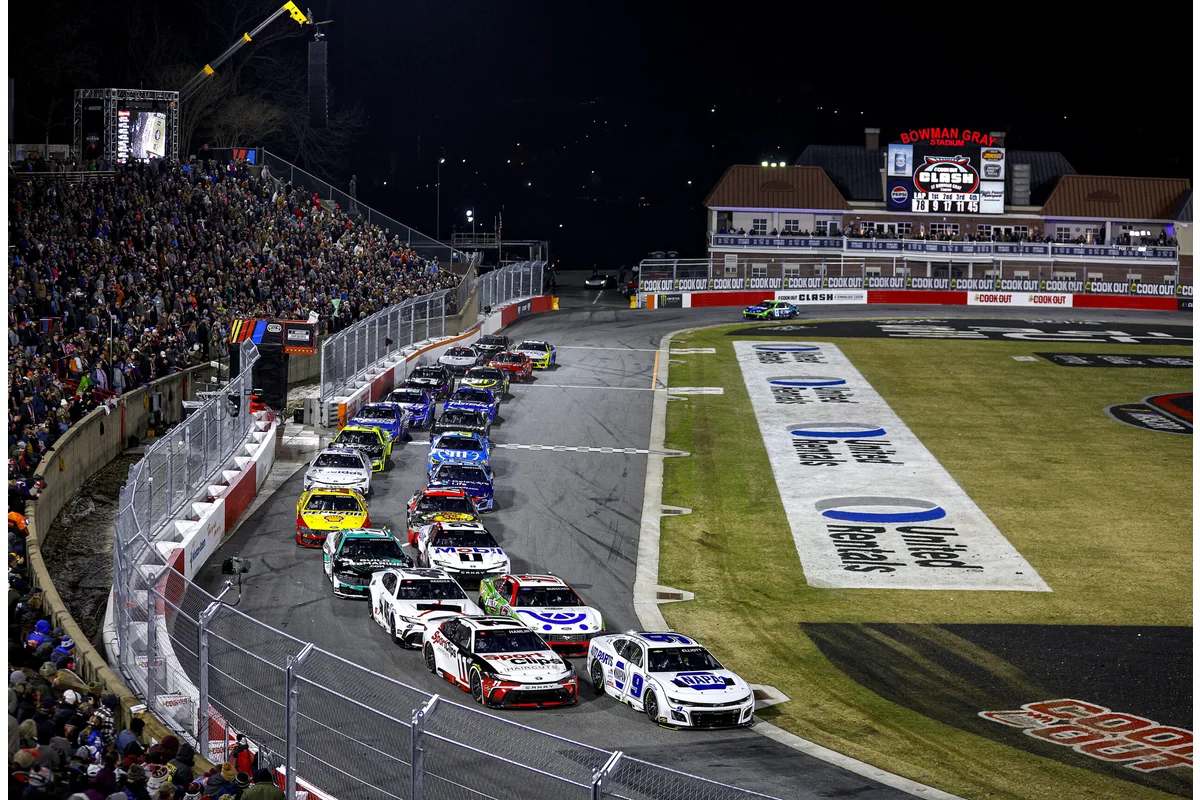
On January 30, 2026, Dale Earnhardt Jr CARS Tour stirred intense debate among grassroots racing fans after Earnhardt Jr. publicly expressed interest in scheduling a road course event, a move that challenges the series’ historic focus on Southern short-track ovals. The announcement has generated strong reactions, given that the series, led by Dale Earnhardt Jr. and Kevin Harvick, serves as a stepping stone for drivers aiming for NASCAR—a discipline famous for its oval-centric legacy.
Roots of the CARS Tour: Ovals and Grassroots Racing
The CARS Tour has long defined itself by its devotion to short-track oval competition, frequently running races at iconic venues like North Wilkesboro, Florence, and Southern National Motorsports Park—all under one mile and nestled in the Southeastern United States. This adherence to oval racing has been at the heart of the tour, reflecting NASCAR’s traditional dominance of that track type. While the broader motorsport landscape has recently explored diverse configurations, including road courses, the CARS Tour has largely resisted such change, remaining dedicated to its foundational style of racing.
Past Experiment and the Push for Something New
In 2019, the CARS Tour briefly broke tradition with its first—and only—road course race at Dominion Raceway in Thornburg, Virginia, where Josh Berry claimed victory. However, the tour quickly reverted to its customary format and had not returned to road courses since. That status quo shifted when a fan reached out to Dale Earnhardt Jr. via social media about the possibility of holding a race at Virginia International Raceway, suggesting:
“@DaleJr Cars tour at VIR would feed families.”
— Fan
Earnhardt Jr. responded with cautious optimism, addressing the logistical and financial complexities involved, making it clear that adding a road course could be challenging but not impossible:
“It would be awesome to find a pathway to get even one road course event on our schedule,”
“I’ve learned through the Dodge deal that, on the front end, we would need different transmissions and oil pans. There’s also a lot more expense per team to consider beyond that, but it’s not entirely unlikely.”
— Dale Earnhardt Jr., CARS Tour Owner
Mixed Fan Reactions Illuminate the Debate
The prospect of abandoning tradition prompted heated reactions from long-standing fans as well as supporters and critics of potential change. One audience member pushed back directly:
“Don’t need to add a road course to the CARS tour. It’s a late model series for short tracks.”
— John Henry (@John_Henry_NC)
Others reacted with humor and disbelief at Earnhardt Jr.’s openness to breaking with custom:
“Hey @DaleJr blink twice if you are being held against your will. We will send help.”
— Devotee
“Dale wanting a road course? The world truly is upside down.”
— Gary (@Gary83072)
“Man its brakes, shocks, springs, oil system, coolers, transmission, clutch maybe. Stay in your lane.”
— Enthusiast
These reactions underscore how significant the proposed shift would be for a community rooted in grassroots oval racing, with some viewing the idea as nearly unthinkable and others poking fun at the departure from tradition.
Earnhardt Jr.’s History Adds to the Surprise
The shock among fans is amplified by Earnhardt Jr.’s own reputation: his racing accomplishments have largely come on ovals, not road or street courses, where his career average finish hovered around 20th place. Earnhardt Jr. has openly acknowledged that, while modern NASCAR has expanded the schedule to include more road courses, he personally values the sport’s oval roots and would prefer to see no more than two road courses on the calendar. His previous remarks following the removal of the Charlotte ROVAL from the playoff lineup further cemented his neutral stance, noting that such changes did not matter much to him personally.
What the Future Could Hold for the CARS Tour
This unexpected proposal by Dale Earnhardt Jr. could mark a pivotal shift for both the CARS Tour and grassroots stock car racing at large. While logistical and financial barriers—like new transmissions, oil pans, and increased per-team expenses—pose obstacles, the mere openness to change signals evolving attitudes within a tradition-bound series. If the CARS Tour moves forward with a road course, it could attract fresh talent, foster innovation, and widen the audience, but it will certainly provoke further debate within a passionate community fiercely protective of its roots.
Would be awesome to find a pathway to get one single road course event on our schedule. I've learned through the Dodge deal, on the front end we would need different transmissions and oil pans. There's also a lot more expense per team to consider beyond that. But it's not… https://t.co/A3I6KW4pkd
— Dale Earnhardt Jr. (@DaleJr) January 30, 2026
Don't need to add a road course to the CARS tour. It's a late model series for short tracks.
— John Henry (@John_Henry_NC) January 30, 2026
Man its brakes, shocks, springs, oil system, coolers, transmission, clutch maybe. Stay in your lane.
— bluedog373 productions (@bluedog373) January 30, 2026
Dale wanting a road course? The world truly is upside down.
— Gary (@Gary83072) January 30, 2026