
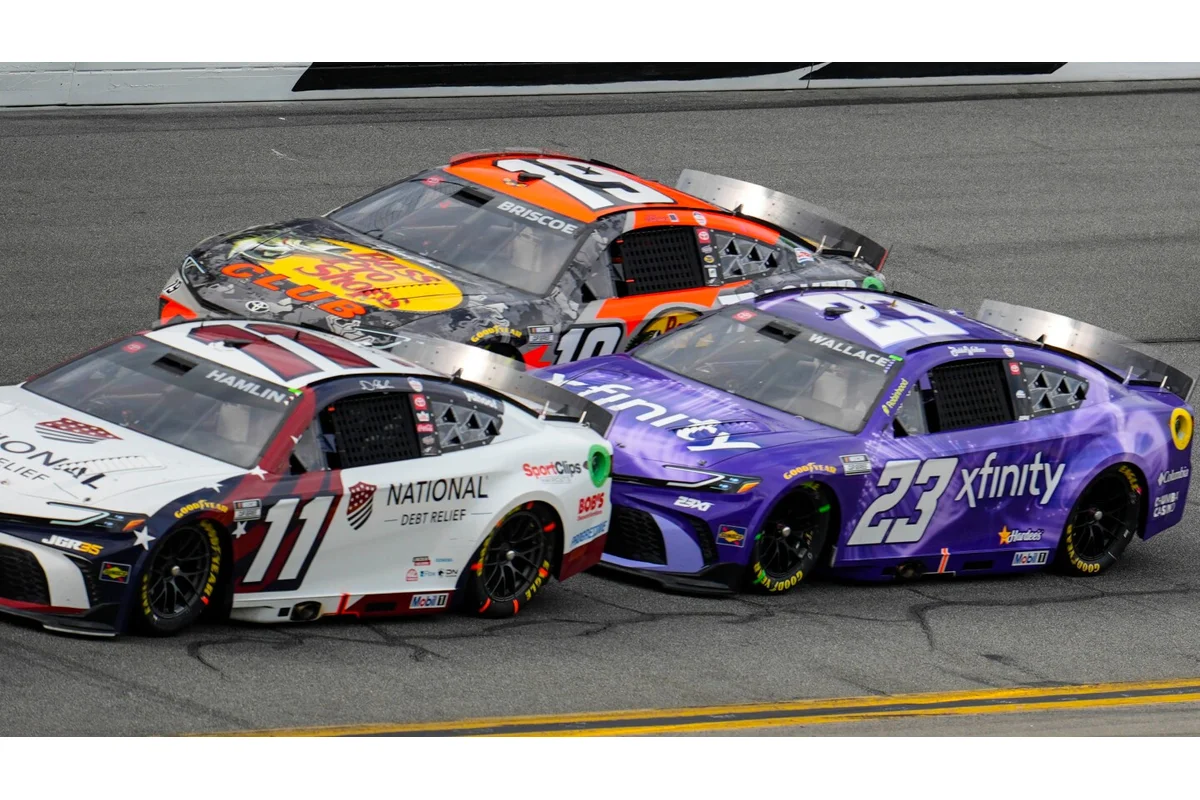
Denny Hamlin has not held back his thoughts on the Denny Hamlin Next-Gen criticism, voicing strong concerns as the NASCAR Cup Series returned to Daytona in 2026. The 23XI Racing co-owner and veteran driver is urging NASCAR to re-examine the current car design, emphasizing how the Next-Gen model impacts competition on superspeedways such as Daytona and Talladega.
Hamlin Recalls Initial Impressions of Next-Gen’s Shortcomings
From the outset of the Gen 7 era in 2022, doubts emerged among drivers about the new car’s effect on race dynamics. Despite fanfare surrounding the Chase format and expectations for thrilling competition, the Next-Gen vehicle continued to reveal the same flaws witnessed during its debut. Notably, the shift to stricter parts standardization has narrowed performance gaps between teams but also introduced challenges that have persisted on high-speed tracks.
Hamlin, reflecting on his first experience with the car, highlighted issues that fundamentally change the sport’s signature races. The current models, celebrated for their safety features, have inadvertently led to slower speeds and tightly packed fields, making it difficult for drivers to break away during superspeedway events. As Hamlin described, the reduction in drag—a defining feature of the new car—has played a significant role in this transformation.
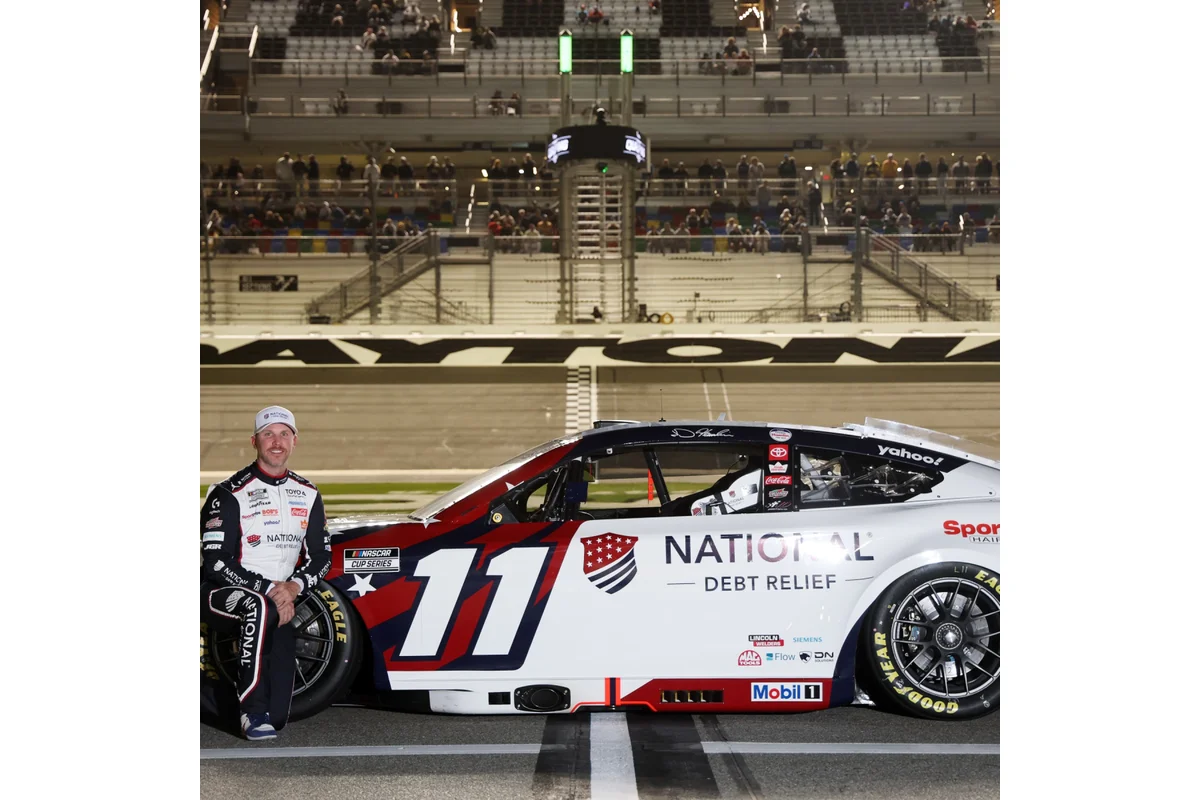
“The less drag that you have on the car, the better its fuel mileage will naturally get. It’s going to get better for everyone. I’m confident that the drag is the problem.”
— Denny Hamlin, 23XI Racing Co-Owner
Hamlin recounted his earliest laps in the Gen 7 model at Daytona testing, emphasizing a sharp difference from previous generations.
“I never will forget getting into this Next-Gen car for the very first time at a test in Daytona,”
Hamlin shared. He acknowledged getting a promising run similar to years prior, then found a key limitation:
“I remember getting a run like a massive run like I had gotten in years past and I went to pull out of line and my rpm just went right down. It just stopped and I’m like, ‘I can’t pull out of line in this car.’”
— Denny Hamlin, 23XI Racing Co-Owner
How Race Strategy and Excitement Have Shifted
By standardizing parts and removing many mechanical differences, the Next-Gen initiative aimed to give smaller NASCAR teams a fighting chance. However, this leveling has refocused the competition from engineering prowess to on-track execution, particularly on pit road and during race strategy. Track position now often hinges on well-timed pit stops, creative fuel saving, and careful tire management.
Teams and drivers, including Hamlin and his fellow 23XI Racing staff, now sacrifice all-out racing for cautious fuel conservation. The early and middle stages of superspeedway events have been described as less urgent, with crews and drivers waiting for opportune moments rather than making bold passes or breaking the draft. This approach has redefined the tempo of races on tracks like Daytona and Talladega, minimizing the pulse-pounding action once synonymous with these venues.
Hamlin’s Call for NASCAR to Rebalance Superspeedway Racing
Hamlin has been outspoken about the solution he believes will revitalize Cup Series racing. He argues for returning more control to drivers through technical changes that reverse some of the recent design restrictions. These would include boosting horsepower while reducing aerodynamic drag, directly addressing the key weaknesses Hamlin and other critics have identified in the Gen 7 platform.
“You can’t make those amazing moves like you used to, you just have to stay in line unless something crazy happens like the last lap where there’s a jumbling of cars.”
— Denny Hamlin, 23XI Racing Co-Owner
He has even floated the idea of lowering drag to restore both speed and the possibility for daring overtakes.
“Let’s just let these things run by themselves, less drag,”
Hamlin proposed, supporting a shift in North American stock car racing priorities.
For Hamlin, the intention behind the Next-Gen rules—to provide more parity among teams—has inadvertently diluted the spectacle that draws fans and excites drivers. He maintains that the fix is clear: grant drivers greater power and handling authority, recapturing the aggressive racing spirit that has defined NASCAR for decades.
Without adjustments to the Next-Gen approach, superspeedway races may continue to be decided by who conserves resources best or makes the right move only at the last possible moment, rather than by fearless maneuvers and racecraft. Hamlin’s criticism has sparked renewed debate among teams, NASCAR leadership, and fans, keeping the spotlight fixed on whether the Gen 7 car’s strengths outweigh its fundamental drawbacks.

