Fans Accuse Mike Joy of Losing His Passion: Mike Joy, a stalwart of NASCAR broadcasting with nearly five decades of experience, faces mounting criticism from fans who allege a loss of passion and enthusiasm in his commentary. His legendary career, characterized by deep knowledge and adaptability, once set the gold standard for NASCAR broadcasts. However, some fans have noted a perceived decline in vibrancy, attributing it to age or potential disillusionment with modern NASCAR dynamics.
Key Highlights
- Fans perceive Mike Joy’s commentary as lacking the vibrancy it once had, contributing to claims of diminished passion for NASCAR.
- Critics note a potential decline in excitement levels in Joy’s delivery compared to earlier years.
- Online discussions highlight concerns about Joy’s perceived fatigue and disillusionment with NASCAR’s modern changes.
- Accusations of Joy losing passion are fueled by ongoing criticisms and his reactions to them.
- Nostalgia for earlier NASCAR experiences contributes to fan dissatisfaction with Joy’s current commentary style.
Mike Joy’s Legacy in NASCAR Broadcasting
With nearly five decades of broadcasting experience, Mike Joy has cemented his legacy as a cornerstone of NASCAR commentary. His voice, synonymous with the roar of engines and the thrill of high-speed drama, has echoed across the airwaves, shaping the viewing experience for millions. Joy’s tenure at the Daytona 500, spanning 47 years, signifies his enduring commitment and passion for the sport. This longevity in a constantly changing field highlights his adaptability and deep-seated knowledge, traits that have raised him to an authoritative figure in NASCAR broadcasting.
However, Joy’s legacy is not without its challenges. In the digital age, where examination is ubiquitous, Joy often finds himself the subject of criticism. Detractors point to perceived inaccuracies or lapses in his commentary, questioning whether he can keep pace with NASCAR’s fast-moving dynamics. Yet, these critiques must be balanced against his vast reservoir of experience and the nuance he brings to the booth.
His ability to contextualize the sport’s history, narrate its unfolding stories, and engage seasoned fans and newcomers alike is unparalleled.
While some may argue that his style may not cater to all preferences, it is vital to recognize the distinctive flavor he adds to Fox’s coverage. Critics may highlight alleged mistakes, yet it is undeniable that his presence has been instrumental in molding the narrative of NASCAR.

Mike Joy’s Career Milestones
Mike Joy’s illustrious career in motorsports broadcasting is marked by several notable milestones that underscore his impact on the industry. His odyssey began humbly in 1970 as a part-time public address announcer at Riverside Park Speedway in Massachusetts, where he initially honed his craft. This foundational experience set the stage for what would become a prominent career in motorsports commentary.
The year 1981 marked a pivotal moment for Joy when he joined ESPN as the voice of their inaugural live NASCAR telecast during the Atlanta Journal 500. This opportunity positioned him at the forefront of NASCAR coverage, allowing him to showcase his knowledge and passion for the sport to a national audience. His ability to articulate the intricacies of the race and engage viewers was evident from the outset, establishing him as a respected figure in motorsports broadcasting.
A crucial turning point came in 1988 when Joy shifted to a lead role on Fox Sports Net’s Formula 1 coverage and later, in 2001, to FOX’s NASCAR broadcast team. Teaming up with industry veterans like Ken Squier, Larry McReynolds, and Darrell Waltrip, Joy’s presence became synonymous with NASCAR broadcasts. His seamless shift from pit lane reporting to lead commentary illustrated his versatility and deep understanding of the sport.
“There’s now a common thread of people saying that I’ve lost my fastball. And you know, maybe so. I can’t argue that. There are a number of announcers on TV that sound more exciting, perhaps. But I’ve taken a lot of my cues from (Ken Squier and Barney Hal)l as I grew up in this business, and Barney in particular would get excited when things are really exciting.” – Mike Joy
Throughout his career, Joy has been celebrated not only for his thorough knowledge of motorsports but also for his ability to convey the thrill of racing to audiences. His contributions have certainly shaped the way NASCAR is presented and appreciated by fans worldwide.
Criticism of Mike Joy’s Commentary Style
Despite Mike Joy’s notable contributions to motorsports broadcasting throughout his career, recent years have seen increasing examination of his commentary style. As the voice of NASCAR, Joy has been a staple in the homes of racing enthusiasts for decades. However, a growing segment of fans has begun to express dissatisfaction, claiming that his delivery lacks the vibrancy it once had. Critics suggest that his commentary no longer captures the thrill of the race as it used to, pointing to a perceived decline in excitement and engagement.
Joy himself acknowledged these criticisms following the conclusion of the 2024 NASCAR season. His reflection was candid: “There’s now a common thread of people saying that I’ve lost my fastball. And you know, maybe so.” Joy’s approach has been shaped by legendary broadcasters, such as Ken Squier and Barney Hall, whose styles emphasized excitement at critical moments. This philosophy may contribute to the perception that Joy’s current style is more restrained compared to his earlier work or other contemporary announcers.
While these critiques are vocal, it is vital to reflect on the context of Joy’s career. His longstanding presence in the sport has set high expectations, and shifts in style can inevitably draw examination. Whether this evolution is a natural progression or a departure from fans’ expectations remains a topic of active debate.
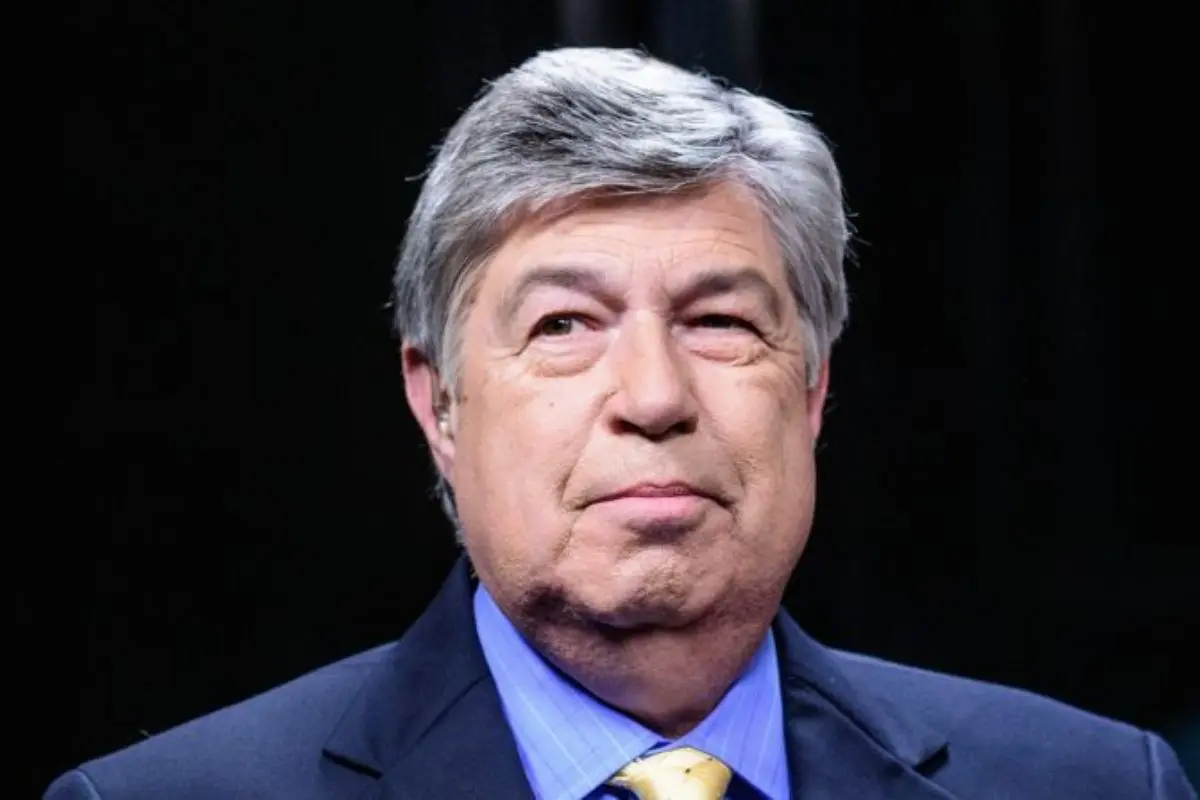
Fans’ Opinions on Mike Joy as a Broadcaster
In the midst of the ongoing dialogue surrounding Mike Joy‘s role as a NASCAR commentator, fans are increasingly vocal about their mixed opinions on his continued presence in the sport. With a long-standing career that dates back to 1979, Joy has been a familiar voice in NASCAR.
However, a recent Reddit thread has sparked an intense discussion among fans about whether Joy’s enthusiasm for the sport has waned over the years. Critics have pointed to Joy’s demeanor, suggesting that he sounds annoyed with the current state of NASCAR, which has evolved with numerous changes and perceived gimmicks.
“I just think he’s at the age where he’s tired of the BS and just wants to go home, but he sticks around because it’s a good paycheck, I’d rather Adam Alexander take his place.” – NASCAR fans’ reaction
Some fans argue that his experience, once an asset, now translates into a voice that reflects fatigue rather than zeal. Yet, Joy’s supporters highlight his deep-rooted history with NASCAR, emphasizing his commitment and extensive knowledge as irreplaceable assets.
“Mike loves the sport but absolutely fu–ing hates the fans. It seems like he just can’t stand social media, and I can’t say I blame him lol.” – NASCAR fans’ reaction
The conversation reveals diverse fan perspectives:
- Nostalgia vs. Modernity: While some fans appreciate Joy’s historical insights, others feel that his perspective is overshadowed by a longing for NASCAR’s past.
- Age and Energy: There are suggestions that Joy’s age might be affecting his energy levels, with some advocating for younger voices like Adam Alexander to inject excitement into broadcasts.
- Commitment vs. Commercialism: Skeptics question Joy’s continued involvement, hinting that financial incentives rather than passion may be driving his presence in the booth.
As FOX Sports prepares for Joy’s return in the 2025 season, the debate over his role in broadcasting highlights the broader tension between tradition and transformation within the sport.
The Impact of NASCAR’s Changes on Joy’s Career
As the debate over Mike Joy‘s role in NASCAR broadcasts continues, attention has shifted toward the impact of the sport’s evolving landscape on his storied career. NASCAR, a sport deeply rooted in tradition, has undergone noteworthy changes, from the introduction of the current chase format to stage racing and the advent of the new car model. These transformations have not gone unnoticed by Joy, a veteran broadcaster who has witnessed the sport’s evolution over decades.
Fans have suggested that these changes may be influencing Joy’s apparent disillusionment. While Joy’s commitment to NASCAR’s history remains undiminished, the frequent modifications to the sport’s structure can be jarring for a purist like him. His candid approach in addressing criticism, as noted by fans, reflects his struggle to reconcile the sport he loves with its modern iterations.
“This just screams Mike Joy. He still loves the sport and the history of it, but he’s been short-tempered about many things in recent years, and I don’t blame him at all.” – NASCAR fans’ reaction
The backlash Joy faces on social media is indicative of the tension between long-time enthusiasts and newer fans who may welcome these changes. His perceived short temper with critics could stem from a deep-seated frustration with how NASCAR’s alterations sometimes overshadow its rich legacy. As one fan observed, Joy’s aversion is not directed at NASCAR itself but rather at the evolving dynamics that challenge its core identity.
In traversing these shifts, Joy remains a steadfast figure in the broadcast booth, balancing his reverence for tradition with the realities of a sport in flux. His career, marked by a profound love for NASCAR, continues to be shaped by the very changes that have sparked debate among its most ardent followers.

News in Brief: Fans Accuse Mike Joy of Losing His Passion
Mike Joy’s enduring legacy in NASCAR broadcasting is marked by notable career milestones and a distinctive commentary style. While some fans have expressed concerns about a perceived decline in his passion, it is crucial to reflect on the broader context, including the evolving nature of NASCAR itself. Changes within the sport may have influenced perceptions of Joy’s performance. A balanced assessment acknowledges both his considerable contributions and the complexities faced by broadcasters adapting to an ever-changing racing landscape.
ALSO READ: Mike Joy Highlights Playoff System’s Role in Driver Versatility