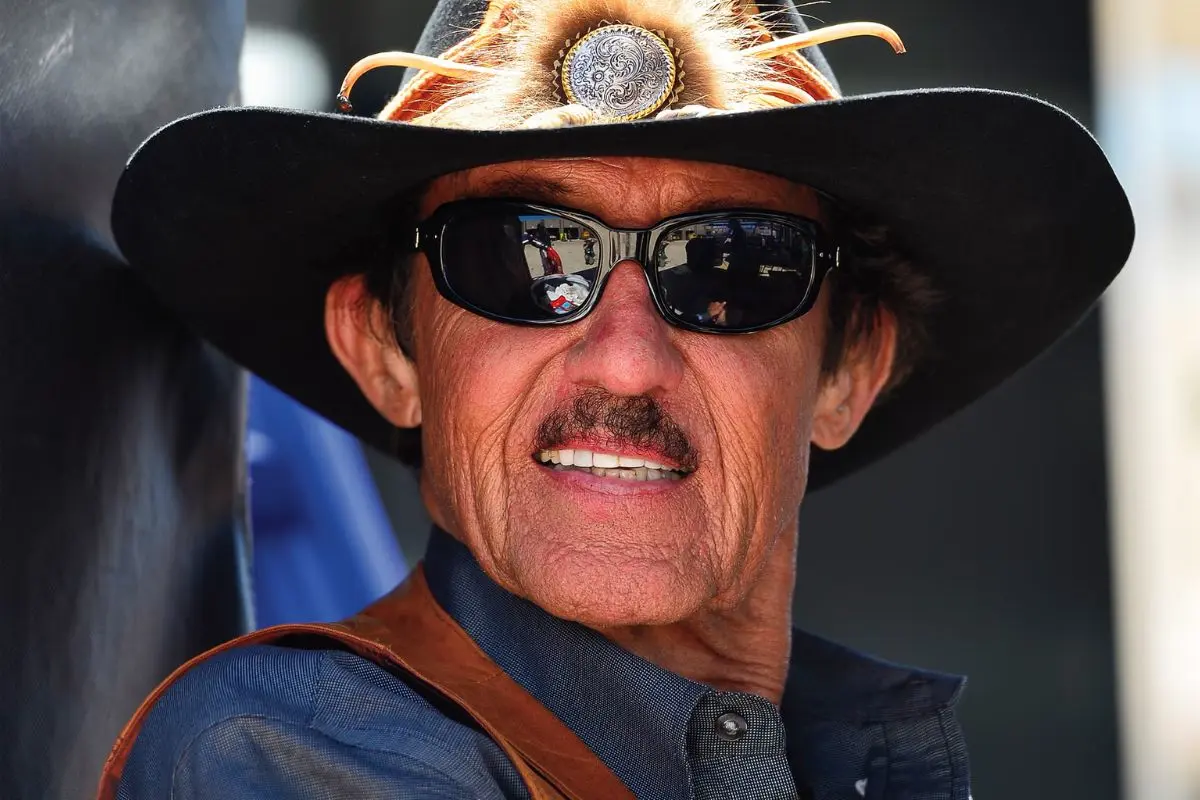
Richard Petty Blames Soaring Gas Prices: Richard Petty identifies soaring gas prices as a key factor deterring NASCAR fans from attending races, citing the economic burden of travel costs. With prices today paralleling the 2008 crisis, fan attendance has dwindled, despite robust television viewership. Petty suggests practical solutions, including reducing the race schedule to cut accommodation expenses and enhancing remote fan engagement.
Key Highlights
- Rising gas prices have increased travel costs, discouraging fans from attending NASCAR races in person.
- Economic pressures, including gas prices, have led to a decline in race attendance despite higher television ratings.
- Richard Petty suggested reducing the NASCAR schedule as a cost-saving measure to offset travel expenses.
- Digital engagement strategies are proposed to maintain fan interaction remotely amidst rising travel costs.
- NASCAR’s response to economic challenges is crucial for sustaining fan engagement and supporting local economies.
Richard Petty on the Impact of Rising Gas Prices
In the domain of motorsports, the economic landscape greatly influences fan engagement, as exemplified by Richard Petty‘s observations during the 2008 financial crisis. Petty, a revered figure in NASCAR, noted the tangible impact of rising gas prices on race attendance, even as television ratings climbed. His insights illuminate the intricate relationship between economic conditions and sporting events, particularly in a sport as travel-dependent as NASCAR.
During the 2008 financial downturn, average gas prices in the United States soared to a record high of $4.11 per gallon, equivalent to approximately $5.90 today. This surge posed notable challenges for NASCAR enthusiasts, many of whom travel considerable distances to attend races. Petty astutely highlighted that the cost of gasoline became a vital barrier, deterring fans from making the trek to racetracks.
“NASCAR is at the mercy of the fans. The fans are at the mercy of gasoline,” he succinctly remarked, illustrating the cascading impact of economic variables on fan turnout.
“Nascar is at the mercy of the fans. The fans are at the mercy of gasoline. Television ratings are up but attendance is down, so it works out. It gets so expensive.” – Richard Petty
Despite these challenges, a paradox emerged: while physical attendance waned, TV viewership experienced an uptick. This dichotomy emphasizes the resilience of fan interest, albeit within a modified consumption framework. As fans grappled with economic constraints, they adapted by engaging with the sport through more accessible means, such as television broadcasts.
Richard Petty’s observations during this period provide a compelling case study on how external economic pressures can reshape fan behaviors and engagement patterns, prompting a reevaluation of how motorsports adapt to evolving fiscal realities.

Proposed Solutions to Rising Costs
Amidst the mounting pressures of rising costs, particularly in fuel expenses, NASCAR is investigating diverse strategies to alleviate the financial burden on both fans and the organization. Richard Petty has proposed a notable reduction in the NASCAR schedule, suggesting that teams could lessen their time in host cities. Currently, teams arrive on Thursday nights, but Petty suggests arriving on Saturday and departing Sunday to reduce accommodation and associated costs. However, this approach raises concerns about economic impacts on local businesses, such as motels, which benefit from the extended stays of NASCAR teams and fans.
Moreover, fuel efficiency measures, such as investing in more fuel-efficient transportation and logistics practices, could further alleviate the financial strain. However, these would require a notable upfront investment, potentially offsetting immediate savings.
Additionally, enhancing digital engagement could serve as an creative solution to declining TV ratings, potentially drawing in a broader audience without necessitating physical attendance. Leveraging platforms for virtual race experiences might offer fans cost-effective alternatives while maintaining their connection to the sport.
While Petty’s insights underscore the complexity of the issue, they also highlight the necessity for multifaceted solutions. The delicate balance between cost-saving measures and preserving the economic ecosystem supporting NASCAR is vital. As these strategies are investigated, they must align with the overarching goal of sustaining fan interest and ensuring the sport’s long-term viability during fluctuating economic conditions.
“We usually go into a town on Thursday night. We could cut back a day or two, go in Saturday, go back Sunday, but then we are cutting back on the people at the motels. There’s no simple answer…The New York Giants were using more gasoline to fly to California for a football game than we are for a 500-lap race. If we cut 10 percent, the gas companies would raise the price.” – Richard Petty
Richard Petty on NASCAR Safety Improvements
Richard Petty’s enduring influence on NASCAR extends beyond his racing achievements to his advocacy for safety improvements, a significant evolution in the sport. Following the tragic death of Dale Earnhardt in 2001 from a basilar skull fracture, Petty supported the implementation of vital safety enhancements that have since become standard in NASCAR. These measures include the mandatory use of the HANS device (Head and Neck Support), the installation of SAFER barriers at racetracks, and the introduction of the safer Car of Tomorrow (CoT).
Petty’s advocacy was not merely reactionary but rooted in personal tragedy, with the loss of his grandson, Adam Petty, to a similar injury in 2000. In a 2008 interview, Petty acknowledged that these innovations might have saved both Earnhardt and his grandson. His support emphasizes a broader shift in NASCAR’s approach to safety, which historically introduced improvements such as fire extinguishers and upgraded seating more subtly and without fanfare.
The introduction of these safety measures marked a turning point for the sport, indicating a more proactive stance on protecting drivers. These advancements reflect a broader, more systematic approach to safety, highlighting NASCAR’s commitment to reducing fatalities and serious injuries. Petty’s role in this transformation highlights his understanding of the sport’s inherent risks and his dedication to minimizing them.

Reflections on Legacy and Contributions
NASCAR’s evolution in safety and competition has always been intertwined with the legacy of Richard Petty, a figure whose contributions extend far beyond his storied 200 victories. Petty’s reflections on his career underscore a profound sense of belonging and influence within the sport.
“I feel really lucky. I was able to grow. I am NASCAR. I am history,” Petty remarked, summarizing his pivotal role in shaping the NASCAR narrative. His presence has been a constant, a symbol of continuity and tradition within a sport that has seen monumental changes over the decades.
Petty’s influence is not just historical but familial, as the Petty name remains indelibly linked to NASCAR’s identity. He emphasized that “the family name is still on the product,” a reflection of the enduring legacy of Petty Enterprises.
“The family name is still on the product, with that American original, King Richard, reassuring people that Petty Enterprises still keeps its roots, even with such a thing as a new majority invest.” – Richard Petty
Even with new investments altering the business landscape, Petty Enterprises continues to honor its roots, maintaining the authenticity that fans have come to associate with the “King,” as Petty is affectionately known.
The shift from the Car of Tomorrow (COT) to the Gen 6 car in 2013 marked a technological evolution in NASCAR, yet Petty’s contributions remind us that the core of the sport is as much about heritage as it is about innovation.
As NASCAR navigates modern challenges like declining attendance potentially due to soaring gas prices, Petty’s reflections offer a reminder of the sport’s rich history and the figures who have shaped its path.
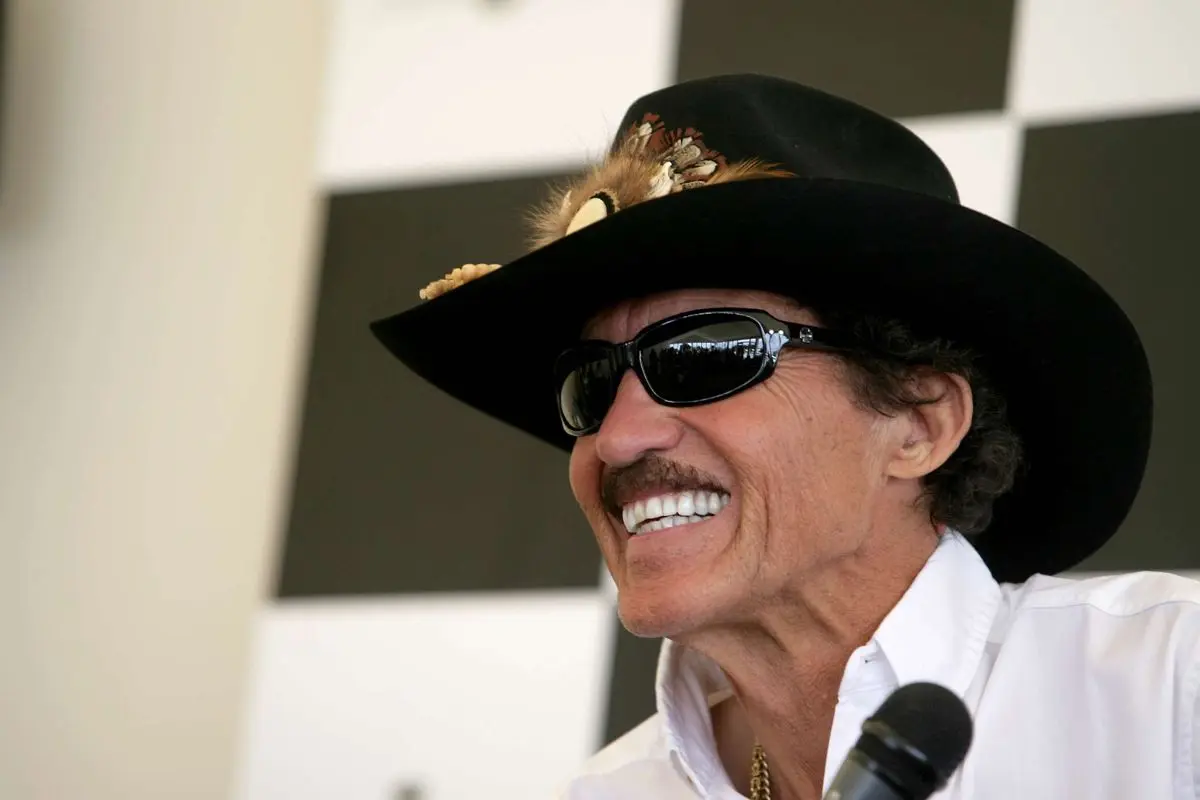
News in Brief: Richard Petty Blames Soaring Gas Prices
The analysis highlights Richard Petty’s assertion that escalating gas prices considerably impact NASCAR attendance, emphasizing a broader economic challenge affecting fan engagement. Proposed solutions, such as exploring cost-reduction strategies, are crucial for sustaining interest in motorsports.
Concurrently, NASCAR’s safety improvements demonstrate a commitment to driver and spectator welfare, reflecting positively on the sport’s evolution. Petty’s reflections on his legacy emphasize the enduring influence of key figures in maneuvering contemporary challenges within the racing industry.
ALSO READ: The ‘Beat Richard Petty Club’ That Tried to End The King’s 1967 Unstoppable Streak!