

Insider Slams NASCAR’s AI Playoff Idea: Eric Estepp has criticized NASCAR’s consideration of AI to reform its playoff format, arguing that while AI can offer valuable insights, it should not replace human decision-making. Estepp believes that incorporating AI must balance technological data with the sport’s intrinsic human elements.
Key Highlights
- Eric Estepp criticizes NASCAR’s communication about AI’s role in playoff reform.
- Estepp supports AI as an analytical tool, not as a decision-maker in playoffs.
- He emphasizes the importance of preserving the human element in sports decisions.
- Estepp calls for NASCAR leadership to improve media training for clearer public communication.
- He advocates for a balanced approach between technology and human intuition in sports.
NASCAR’s Potential Use of AI in Playoff Reform
In the dynamic landscape of NASCAR, the prospect of employing Generative Artificial Intelligence to overhaul the playoff format is gaining traction. This consideration comes during growing examination over the current format, which has been deemed by some stakeholders as requiring refinement to guarantee competitiveness and fairness.
NASCAR’s Chief Operating Officer, Steve O’Donnell, has alluded to the potential role AI could play in redefining the parameters and structure of the playoffs, signaling a forward-thinking approach to the sport’s evolving needs.
.@NASCAR is evaluating how it can use generative AI for competition matters such as asking a model how playoff format changes could impact the sport, per COO Steve O'Donnell.
🗨: "How that applies to our formats of the future, I think AI can play a really big role in that." pic.twitter.com/wbNituf4tm
— Adam Stern (@A_S12) December 27, 2024
The integration of AI into NASCAR’s decision-making processes could provide sophisticated modeling capabilities, enabling data-driven insights that transcend traditional methods. By leveraging AI, NASCAR could simulate myriad scenarios, evaluating the impact of diverse playoff formats on race outcomes, team strategies, and fan engagement.
Such technology could facilitate a more nuanced understanding of variables that influence the sport, potentially leading to a more engaging and equitable playoff system.
However, the implementation of AI must be approached with caution and precision. It requires a robust framework to guarantee that the algorithms are transparent and free from biases that could skew results.
The challenge lies in balancing technological innovation with the inherent unpredictability and human element that define NASCAR. Furthermore, stakeholder buy-in, from teams to fans, is crucial for successful adoption.
Eric Estepp’s Reaction to AI Integration
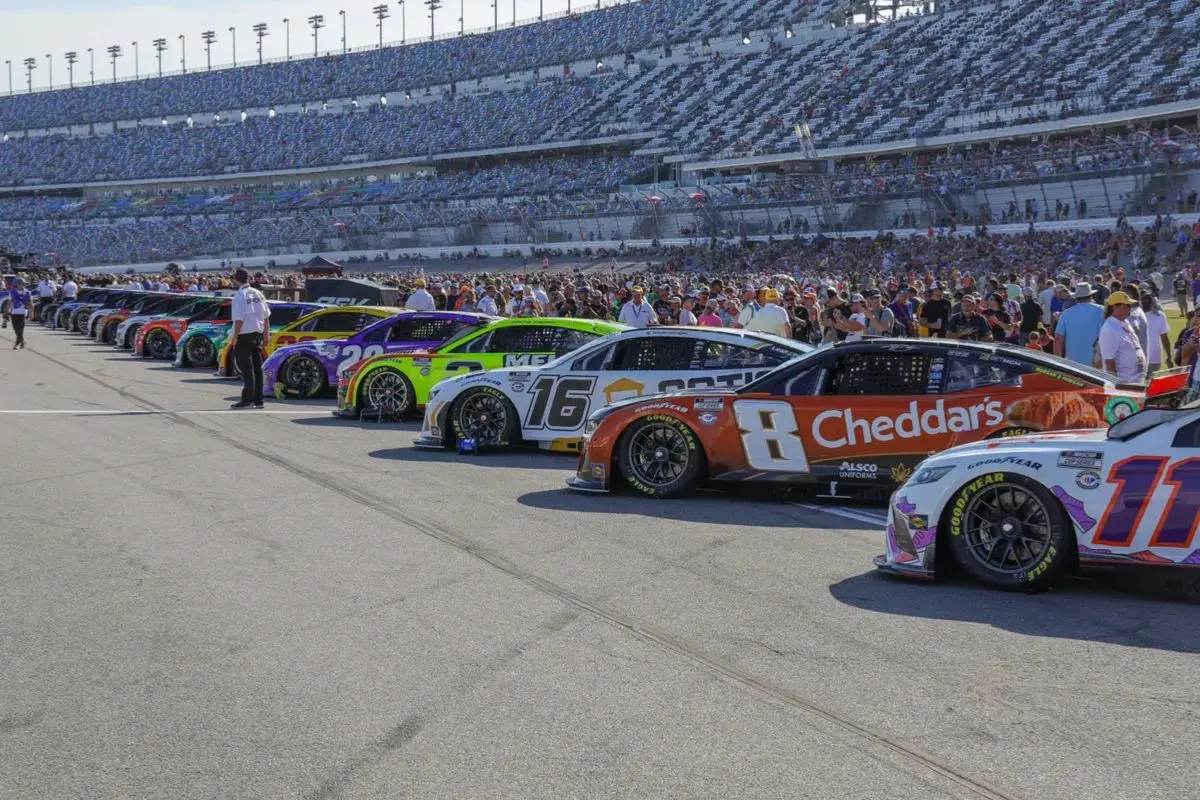
As NASCAR contemplates the integration of AI into its playoff system, reactions from prominent voices in the community provide valuable perspective. Among these voices is Eric Estepp, a notable NASCAR influencer, who recently shared his nuanced view on the topic.
While Estepp acknowledges the potential utility of AI in evaluating diverse playoff formats, he firmly advocates for preserving the human element in sports decision-making. Estepp’s stance is clear: AI should serve as an analytical tool rather than the sole decision-maker, emphasizing that the core of sports lies in human interaction and judgment.
Estepp’s analysis highlights the importance of balance between technological advancement and the traditional human-centric approach that has long defined sports. His comments suggest that while AI can offer insights into the implications of different playoff models, it should not overshadow the experiential knowledge and intuition of human stakeholders.
“I’m not outraged by this quote when you have dozens of possible playoff format ideas, what’s the harm in using these models to potentially study what the impact of each format could be? That’s why I would never want AI making all of the decisions the human element is what makes Sports great real humans listening to the concerns expressed by other real humans. AI can be a tool perhaps but it should never be the end all be all.” – Eric Estepp
Estepp’s perspective is rooted in a belief that real humans must remain at the helm, interpreting AI-driven data with discernment and empathy.
Additionally, Estepp critiques NASCAR’s leadership for their approach to discussing AI integration, particularly pointing out the inadequacy of their media communication strategies. He describes Steve O’Donnell’s mention of AI and playoffs in the same breath as a misstep, suggesting that better media training might prevent such controversies.
“That’s what Steve O’Donnell is saying in that quote. It was dumb of him to even bring up AI and the playoffs in the same sentence. Sometimes I think NASCAR leadership needs their own media training, but if you actually read the quote what he’s saying is not crazy to me.” – Eric Estepp
Criticism of the Current NASCAR Playoff Format
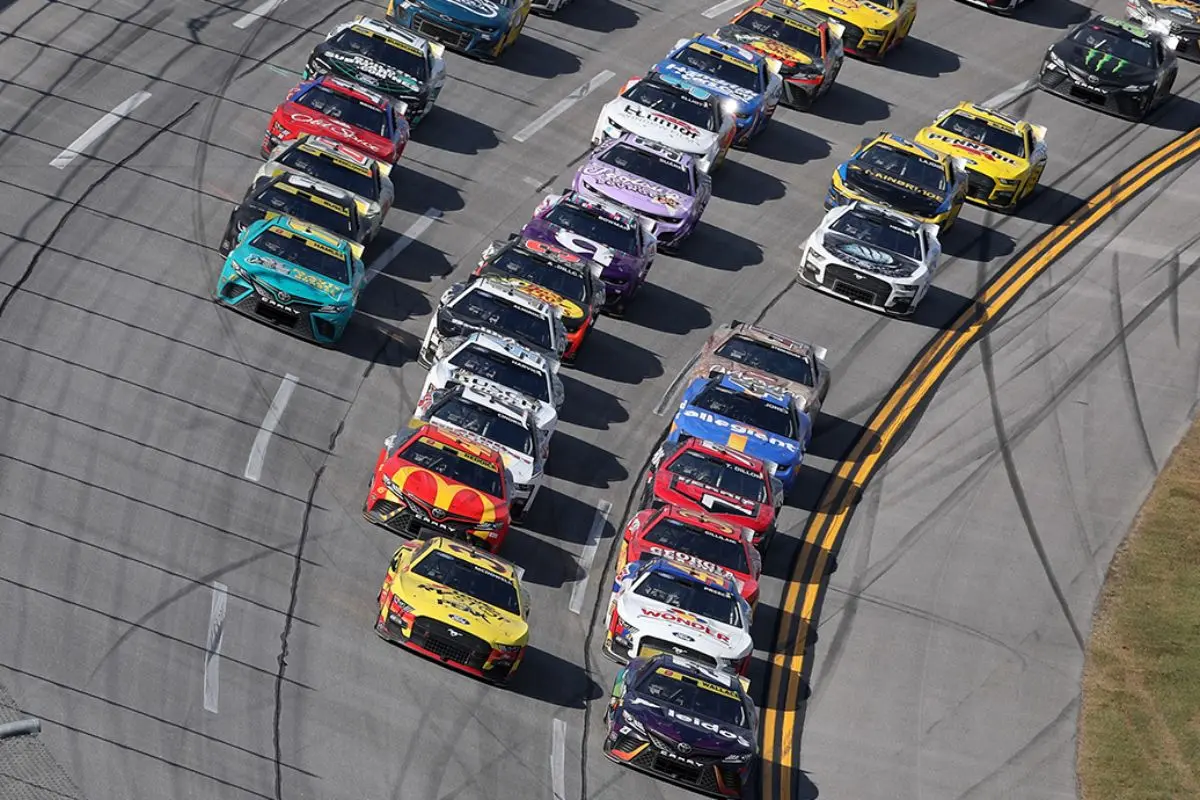
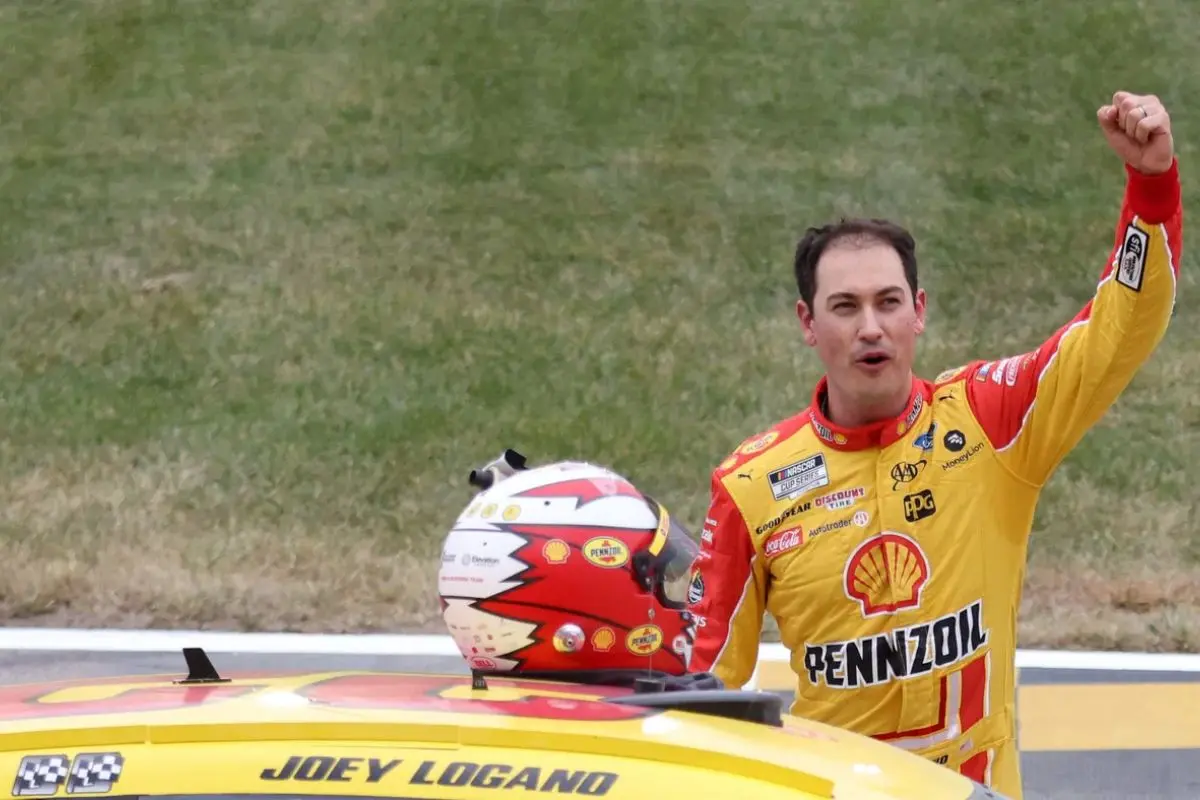
The current NASCAR playoff format has attracted considerable criticism due to perceived inconsistencies in rewarding season-long performance. Significantly, the recent controversy surrounding Team Penske’s Joey Logano, who clinched his third Cup Series title, despite holding one of the least impressive average finishes for a champion, highlights the discontent. Critics argue that the format’s design allows for a driver to win the championship without consistently outperforming peers across the season, thereby undermining the meritocratic core of such a prestigious title.
This playoff structure, which highlights winning critical races, undeniably injects a level of excitement and unpredictability into the sport. Yet, it raises crucial questions about the balance between entertaining drama and sporting fairness. Logano’s success during statistically superior competitors showcases the format’s potential for rewarding clutch performances over consistent excellence.
While this can be seen as a reflection of the high-pressure competitiveness that defines NASCAR, it also invites examination over whether the format adequately honors sustained superiority throughout the racing calendar.
The debate over fairness pivots on the need to reevaluate how the championship reflects the season’s narrative. Advocates for reform suggest that the current system disproportionately values singular triumphs in pivotal moments over cumulative achievement.
Meanwhile, traditionalists may view these dramatic narratives as integral to the sport’s identity. As NASCAR continues to evolve, the challenge lies in crafting a playoff structure that harmonizes these competing priorities, ensuring that the championship remains both exhilarating and a true reflection of the year’s best performance.
Joey Logano’s Frustration with Format Criticism
While critics of NASCAR’s current playoff format argue it undermines season-long consistency, three-time Cup Series champion Joey Logano finds such criticism deeply frustrating. Logano, who drives the #22 Ford for Team Penske, recently voiced his concerns on the “Rubbin is Racing” podcast. He contends that the format’s criticisms are not only misguided but also ignore the competitive excitement it has brought to the sport over its 11-year existence.
“This whole thing makes me so mad because it’s not new. We’re 11 years into this, and the first year it was amazing. And then a couple of guys feel like they should have made it. They don’t. They mouth off a little bit. Some fans get behind it. Some media members get behind it. They keep going. They take it. ‘Oh my gosh, the system’s broken,’ just like that. So I guess this is like when I hear that it’s frustrating because we used to crown a champion, with three races to go.” – Joey Logano
Logano’s insights can be broken down into several key points:
- Historical Context: Logano highlights that the playoff system, introduced over a decade ago, was initially met with enthusiasm. The format was designed to maintain suspense and unpredictability until the final races.
- Consistency vs. Drama: Critics claim the format sacrifices season-long consistency for drama. Logano argues the playoff system rewards both consistent performance and the ability to excel under pressure, thereby testing drivers across multiple dimensions.
- Vocal Minority Influence: Logano notes that a vocal minority, including some drivers and media members, amplify discontent. This small group can sway public opinion by framing the system as flawed, despite its widespread acceptance.
- Champion’s Perspective: As a three-time champion, Logano’s perspective carries weight. His success within the system highlights his belief that it fairly crowns the most deserving driver, challenging the notion that it merely rewards short-term performance.
With the NASCAR Cup Series set to return shortly, Logano’s stance invites fans and stakeholders to reevaluate the merits of a playoff system that continues to shape NASCAR’s competitive landscape.
News in Brief: Insider Slams NASCAR’s AI Playoff Idea
The potential integration of AI in NASCAR‘s playoff reform presents both opportunities and challenges. Eric Estepp’s critique emphasizes the necessity for thoughtful consideration of AI’s role in enhancing competitive fairness and entertainment value.
Additionally, the criticism of the current playoff format, amplified by Joey Logano’s frustration, highlights the need for ongoing evaluation and adaptation of existing systems. Effective media training for NASCAR leaders is crucial to navigate these complexities, ensuring informed decision-making and effective communication with stakeholders.
ALSO READ: NASCAR’s Biggest Stars Take on the Chili Bowl Nationals in Unforgettable 2025 Showdown

