
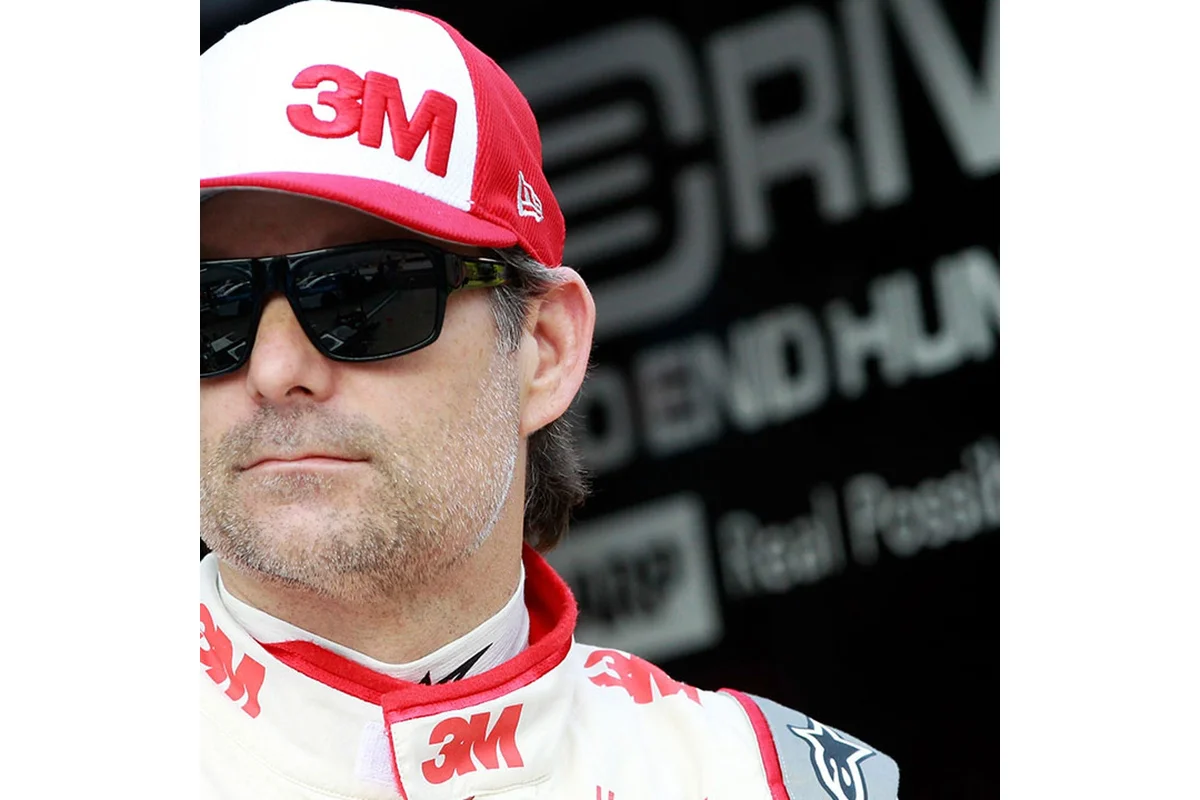
Mark Martin emerged above NASCAR Cup Series champions Dale Earnhardt and Rusty Wallace in a recently revealed 1990s point ranking, intensifying the ongoing conversation about career achievements and the Rusty Wallace NASCAR ranking. The release of this data has prompted Martin to share his own reaction and reflect on how consistent high finishes set him apart during that era.
Consistent Performance Sets Martin Apart From Cup Champions
Throughout his career at the highest level of stock car racing, Mark Martin was known for remarkable consistency. Between 1990 and 1999, Martin amassed 43,791 points according to statistics shared by NASCAR Classics on social media. This total positioned him ahead of Dale Earnhardt, who had 43,054 points, and Rusty Wallace with 39,678. Both Earnhardt and Wallace had earned championships—Earnhardt with seven and Wallace with one—but Martin’s steady stream of strong finishes placed him atop this particular decade’s points tally, despite not having secured a Cup Series title himself during that period.
Martin’s achievements included 40 Cup race wins, 56 pole positions, and 453 top-10 finishes in 882 starts, regularly going head-to-head with legends such as Rusty Wallace and Dale Earnhardt. His repeated close calls with the championship—most notably finishing second in season points in 1990, 1994, and 1998—underscored how thin the margins were at the highest level. Notably, a 46-point penalty after Richmond in 1990 ultimately left Martin just 26 points short of the title that year.
In 1998, Martin set personal records for wins and laps led but still ended as runner-up to Jeff Gordon, while his later seasons in the 2000s also featured impressive stretches of high finishes. However, occasional mechanical troubles or unfortunate incidents on pit road kept him from clinching a championship.
“Interesting. We didn’t get a trophy for that though,” Mark Martin wrote.
Career Stats Outshine Even Iconic Drivers
Martin’s near-front finishes week after week contributed to an impressive career record. From 1989 through 2000, Martin achieved 12 consecutive top-10 points finishes, including a remarkable 61 times as runner-up in individual races—the sixth most in NASCAR Cup Series history. When considering NASCAR’s three national series as a whole, Martin notched 96 victories, which placed him seventh on the all-time wins list at the time of his retirement, surpassing several Hall of Fame racers.
Martin highlighted another statistic that distinguished him: he surpassed Richard Petty, Rick Labonte, Kevin Harvick, Kurt Busch, and Ricky Rudd in terms of finishing in sixth or seventh place most frequently, with 89 such results. This consistency placed him in rare company even among racing’s most successful names, from Richard Petty to Kurt Busch.
Views on NASCAR’s Modern Direction and the Playoff System
In recent years, Mark Martin has voiced criticisms regarding the current state of NASCAR, focusing especially on the playoff system. Now a 66-year-old veteran, Martin has argued that NASCAR’s efforts to attract new audiences by prioritizing television interests have alienated core supporters. He believes that many long-time fans have been overlooked in the pursuit of fresh viewers and has openly labeled this approach unwise, emphasizing that dedicated fans still follow every aspect of race weekends.
Martin has further commented that the present playoff system does not resemble authentic playoffs seen in other sports. During a meeting of the NASCAR Playoff Committee, he passionately advocated for restoring the traditional, season-long championship format he competed under during his career, expressing frustration with changes driven by television broadcasting priorities.
Significance of Martin’s Place in NASCAR History
This revealing points statistic from the 1990s brings renewed attention to Mark Martin’s enduring legacy: exceptional consistency and sportsmanship, even without championship hardware. The Rusty Wallace NASCAR ranking, alongside luminaries like Dale Earnhardt, is now viewed in new light as fans and fellow drivers reassess what defines greatness in NASCAR—a conversation likely to continue as the sport evolves and reviews its competitive structures.
Interesting. We didn’t get a trophy for that though. https://t.co/BCWOrpHZwb
— Mark Martin (@markmartin) January 4, 2026

