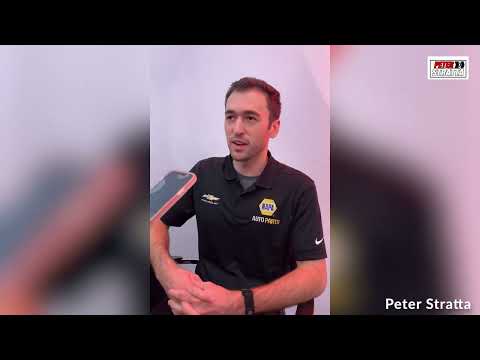
Chase Elliott on NASCAR playoffs has been a central topic as the series announces a comeback to the chase format starting in 2026, introducing a 10-race shootout to determine the champion among the best 16 drivers. In light of this significant adjustment, Elliott, a Cup Series champion, emphasized that drivers’ mental approach to racing and strategies focused on maximizing points will stay the same under the new system.
NASCAR’s Return to the Chase Format Receives Strong Reactions
The NASCAR community has responded enthusiastically to the 2026 playoffs format, which reinstates the chase. Under this system, the top 16 performers from the regular season will compete in a decisive 10-race series to claim the championship. Supporters of the format argue that it restores authenticity and enhances the legitimacy of the title, responding to ongoing debates about how champions should be crowned in the sport. The format change is seen as a move to reignite excitement for both racers and fans, reconnecting NASCAR with some of its classic traditions while catering to modern competitive demands.
Chase Elliott Shares Insights on Unchanged Racing Mentality
Chase Elliott, representing Hendrick Motorsports and holding the 2020 Cup Series title, offered his analysis in an interview with Peter Stratta. Elliott asserted that the revised format would not alter how drivers approach races from a strategic standpoint. Stage points and overall scoring considerations remain pivotal, guiding not just Elliott but the entire field as they compete during the season.

“I think no different than it was before (racing mentality). We made decisions and strategy as it pertains to stage points and things of that nature based on what we had going on in the points.”
– Chase Elliott, told Peter Stratta via YouTube.
Expanding on his perspective, Elliott explained that in prior versions of the playoffs, the incentive of winning to advance became most critical in the latter stages. He suggested that with the chase’s reinstatement, such factors won’t be confined only to the final weeks, providing teams with an extended competitive runway to distinguish themselves. Elliott further predicts a familiar roster of contenders at the forefront during next year’s chase, reflecting the sustained strength of established teams and drivers.
“Certainly, as you got to the Round of 12 and the Round of eight, I don’t really see that being a whole lot. You’re just going to be making those decisions, not necessarily in the last two or three weeks. That’s when we’re going to start coming along… I think that’s the whole point of this deal is there’s enough time for it to sort itself out. And it’s going to be uh it’s going to be the same crowd it’s always been.”
– Chase Elliott added.
Chase Briscoe Describes the Format as a Blend of Playoffs and Season-Long Challenge
Joe Gibbs Racing’s Chase Briscoe echoed Elliott’s perspective by supporting the new playoffs approach. Briscoe characterized the system as striking an ideal balance: it preserves the drama and intensity of a traditional playoff, while ensuring the endurance and consistency of full-season points fundamentally matter throughout the year. Briscoe believes this format rewards both season-long excellence and drivers who build momentum during the chase.
“I’m excited… I think all the drivers for sure wanted it to be a real example of the body of work that you’ve done all season long. And I think that this format kind of hits all those things, and it’s kind of a perfect mixture of you get that 10 race playoffs where a guy can kind of get hot at the right time.”
– Chase Briscoe said.
Briscoe went on to highlight how the changed structure means every race position throughout the season influences the chase, since seedings become crucial as drivers enter the playoff rounds. This approach reflects similar sentiments expressed by figures like Mark Martin, who have publicly endorsed the new system as a positive outcome of discussions within the playoffs committee.
“You still have the playoff feel, and then you still have kind of the season-long points because it is going to matter all season long where you’re running because of how the seedings work when the chase starts”
– Chase Briscoe added.
Expectations for the New Playoffs Era in NASCAR
The viewpoints from Chase Elliott and Chase Briscoe offer insight into how drivers are expected to adapt—or not adapt, as Elliott argues—to the new chase format. Established franchises such as Hendrick Motorsports and Joe Gibbs Racing, along with key competitors like Elliott and Briscoe, anticipate that core metrics like consistency, strategy, and maximizing points will continue to determine championship fates.
This shift to an updated 10-race playoffs is poised to maintain the intensity that NASCAR fans have come to expect, while also rewarding the most skilled and consistent drivers over the entire season. As the 2026 playoffs draw nearer, racing enthusiasts and participants alike are preparing for an era that blends the sport’s historical roots with the contemporary competitiveness required in today’s NASCAR. Many in the community believe the change will elevate the competition, making each race and playoff position even more consequential as top contenders battle to make their mark on the sport’s legacy.