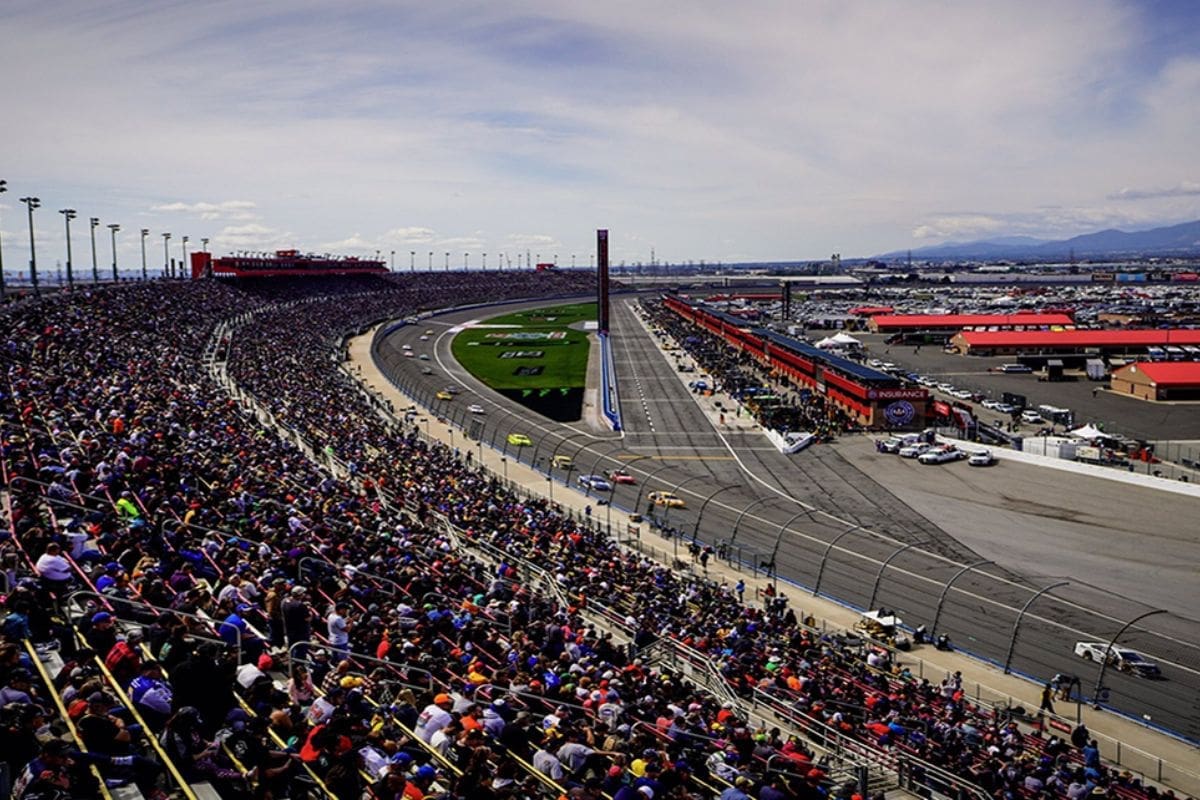
California Speedway Revamp Triggers Fan Backlash: The recent backlash from fans over the revamp of California Speedway highlights a growing rift between NASCAR’s commercial strategies and its core audience’s expectations. The decision to dismantle iconic grandstands and alter the racing landscape has not only stirred nostalgia but also raised questions about the transparency and priorities of NASCAR’s management. As fans decry what they perceive as a shift towards more lucrative yet less engaging racing formats, the unfolding scenario invites a deeper examination of how NASCAR’s business imperatives are potentially alienating its most loyal supporters.
Key Takeaways
- Fans upset by halted developments and demolition at California Speedway.
- Concerns over NASCAR prioritizing financial deals over fan preferences.
- Delay linked to financial stability and potential new partnerships.
- Lack of transparency in negotiations adds to fan frustration.
- Shift to mile-and-a-half tracks diverges from fan demand for more short-track races.
NASCAR’s Plan to Transform California Speedway
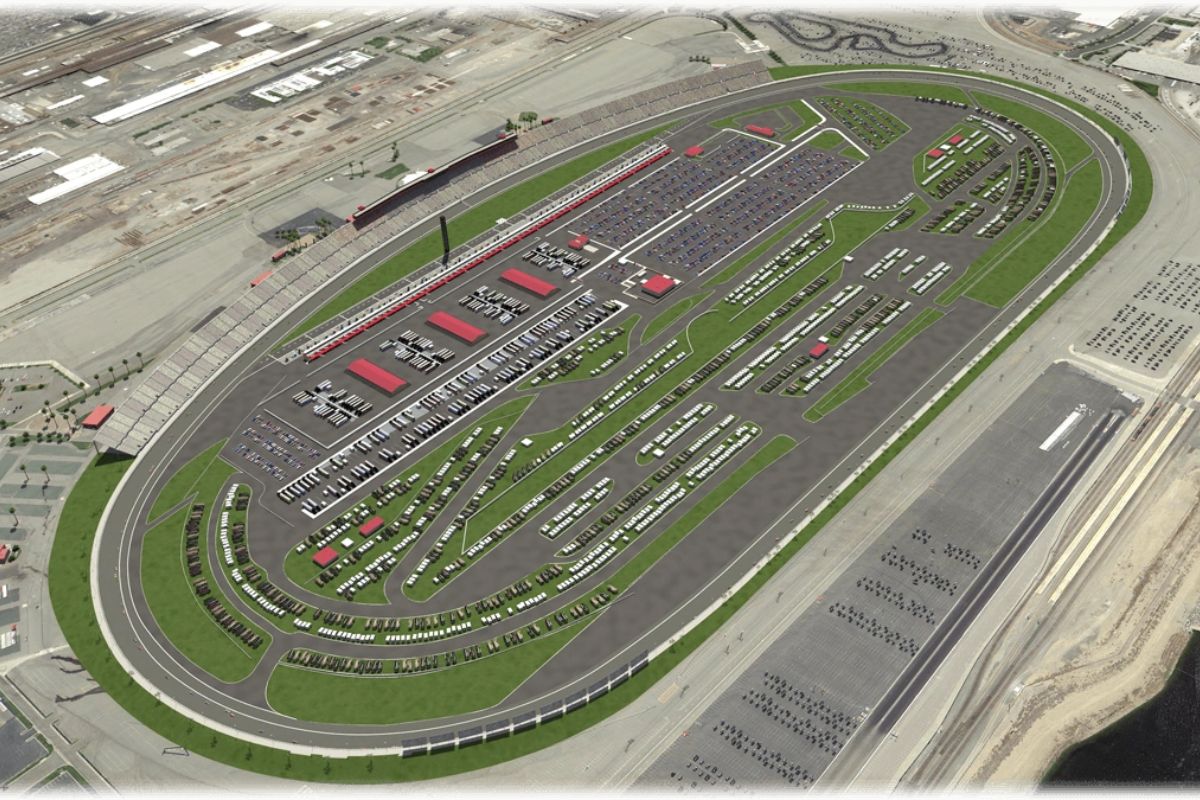
In response to fan demands for more short-track events, NASCAR initiated a thorough transformation of California Speedway into a short-track racing venue. This decision reflected a strategic pivot towards enhancing the competitive environment and fan experience by diversifying the types of tracks in the Cup Series circuit. The original 2-mile superspeedway configuration, celebrated for its high-speed races, was set to be remodeled into a considerably shorter track layout conducive to more intensive, door-to-door racing that short tracks famously facilitate.
The redesign of such a large facility epitomizes NASCAR’s commitment to responding to its fan base while also aiming to infuse fresh excitement into the series. Short tracks are known for their ability to create close quarters racing, increasing the likelihood of lead changes, strategic pitting, and, inevitably, the dramatic confrontations that are a crowd-puller. By shifting from a superspeedway to a short-track format, NASCAR is not merely altering the physical landscape of the venue but is also recalibrating the competitive dynamics that govern races there.
Moreover, the transformation involves considerable logistical challenges and meticulous planning to make sure the new track meets all regulatory standards and race-day requirements. The intended overhaul, scheduled over an estimated period of 12 to 18 months, signifies a substantial investment in both time and resources, underlining NASCAR’s resolve to enhance the racing spectacle.
NASCAR’s Struggle to Implement Changes
Despite NASCAR’s strategic initiative to transform California D-shaped oval track into a short-track venue, the implementation phase has encountered significant resistance from diverse stakeholders. The decision, intended to align with the evolving dynamics of the sport and the preferred competitive environment heralded by the introduction of Next Gen cars, has not been universally welcomed. This resistance highlights a broader tension within motorsports between innovation and tradition, a dichotomy that NASCAR frequently navigates.
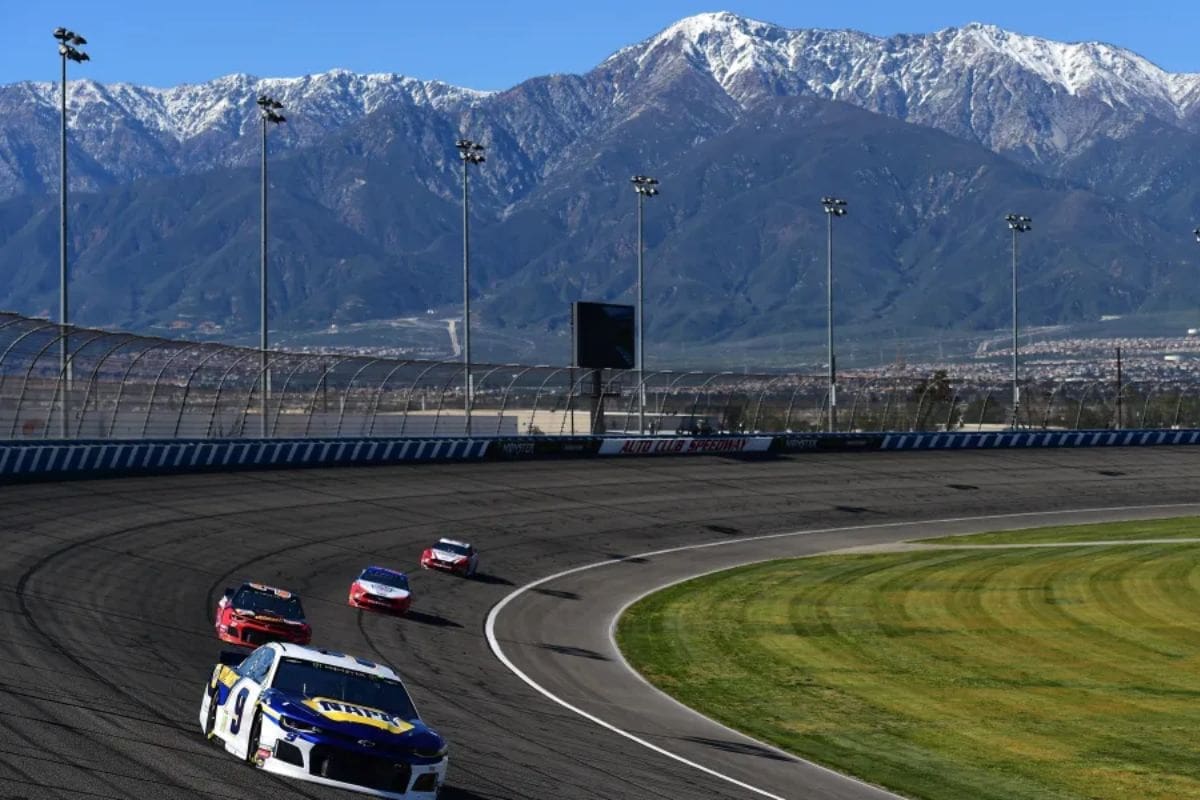
The introduction of Next Gen cars was a significant move meant to improve competitiveness and safety. These cars were designed to perform exceptionally on different track types, particularly short tracks, where their capabilities could be pushed to the limits, as seen at Bristol Motor Speedway. The success at Bristol presented a convincing case for more short-track venues, leading to the decision to revamp the California Speedway. However, the backlash from fans and other stakeholders emphasizes an important oversight in stakeholder engagement and anticipation of public sentiment.
NASCAR’s Response to the Delay
NASCAR President Steve Phelps’s recent statements regarding the delayed revamp of California Speedway highlight the complexities of balancing economic constraints with strategic expansion plans in the Southern California market. Phelps openly addressed the multifaceted challenges currently facing the organization, particularly the unfavorable economic conditions marked by high inflation and rising capital costs. His comments emphasize a calculated hesitation, prioritizing fiscal prudence over rapid development amid economic uncertainties.
The strategic delay, as explained by Phelps, aligns with a broader vision to maintain NASCAR’s presence in a key demographic and geographic market. Southern California, with its vast population and significant cultural influence, remains a critical area for NASCAR’s strategic market penetration. The decision to hold off on the construction of a new short track in Fontana is portrayed not as a withdrawal but as a strategic pause, ensuring that when the project proceeds, it does so with financial stability and market conditions more favorable for success.
“I would say that we are still planning on building a short track in Fontana. What the timing of it is, I don’t know. This isn’t the best time to be building based on inflation, the cost of capital, etc. But our intention is to continue to be in the Southern California market.” (Steve)
Moreover, Phelps’s reference to ongoing assessments, including the potential acquisition of the Long Beach Grand Prix, suggests a layered strategy. NASCAR appears to be exploring multiple avenues to either strengthen or solidify its footprint in Southern California, indicative of a dynamic approach to market challenges rather than a mere reactionary stance.
Fan Reaction to the Delay
While NASCAR leadership outlines strategic pauses and potential market explorations, the fanbase expresses significant discontent with the halted developments at California Speedway. The demolition of grandstands and sections of the racing surface has led to confusion and frustration among devoted followers of the sport. This disruption has caused a critical reflection on the motives and future direction of NASCAR’s infrastructure strategy.
“That’s awful and sad !!! I assumed they would leave the track as is and build the short track (or whatever) inside it”
“Is there enough time to make it into a 1.5 miler. Short track will suck.”
“Ige never seen such slow progress to make a new race track. It’s been over a year now and they haven’t even touched the actual short track that’ll be made.” (fans reaction)
The dismantling of a multi-use venue that accommodated not only NASCAR but also sports car and motorcycle racing has stripped fans of a rich, diverse motorsports culture. The fan quoted expressing dismay at the complete overhaul instead of an anticipated integration of new and old elements reflects a broader sentiment of loss.
Moreover, the shift towards mile-and-a-half racetracks, seen as ideal for the Next Gen car, further complicates fan perspectives. This evolution in track preference, coupled with the apparent stagnation in developing a competitive short-track racing package, fuels skepticism about the effective allocation of resources.
Speculation
Frequently, fans and commentators both speculate about the strategic decisions behind the prolonged redevelopment of California Speedway, questioning the influence of financial and partnership negotiations on the project’s timeline. This speculation is not without significance, as financial imperatives and the securing of new Original Equipment Manufacturer (OEM) partnerships are often central in such large-scale endeavors.
“Maybe they are waiting for it to be built until they get there new money for there new oem because that’s what’s halting them to do anything nowadays”. (fan reaction)
Analyzing these fan sentiments, it becomes evident that the delay is possibly tied to NASCAR’s strategic financial management, aiming to align the redevelopment with new sponsorship and OEM partnerships. This approach, while financially prudent, seems to conflict with fan expectations and the immediate desire to see tangible progress. Furthermore, the lack of transparency regarding the status of new charter agreements only fuels further speculation and dissatisfaction among the fanbase.
News in Brief : California Speedway Revamp Triggers Fan Backlash
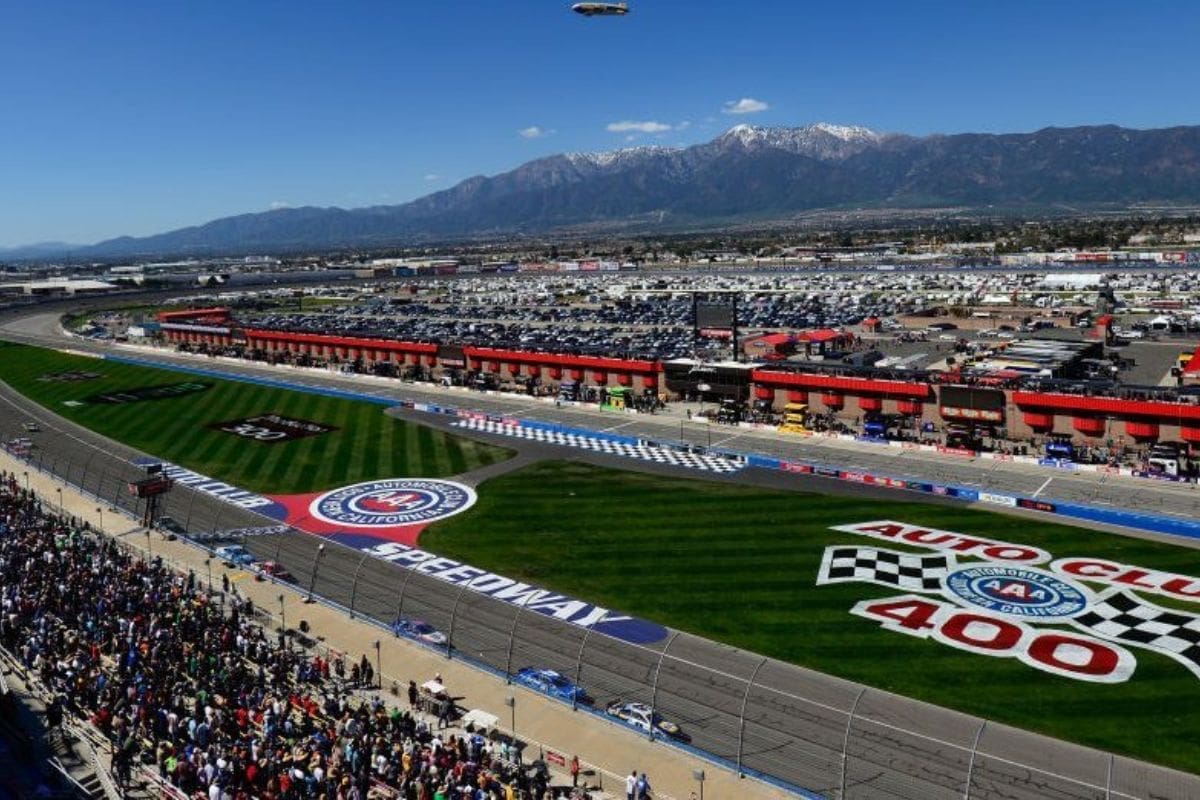
The renovation of California Speedway has clearly highlighted the complexities inherent in balancing commercial considerations with fan loyalty. The backlash from fans emphasizes a broader dissatisfaction with NASCAR’s strategic choices, particularly the perceived neglect of fan interests in favor of financial imperatives.
This situation emphasizes the critical need for NASCAR to improve transparency and stakeholder engagement in its decision-making processes, thereby ensuring that future transformations align more closely with the expectations and passions of its dedicated fan base.
ALSO READ: California NASCAR Racetrack Revamp Secures $756M for Industrial Hub