
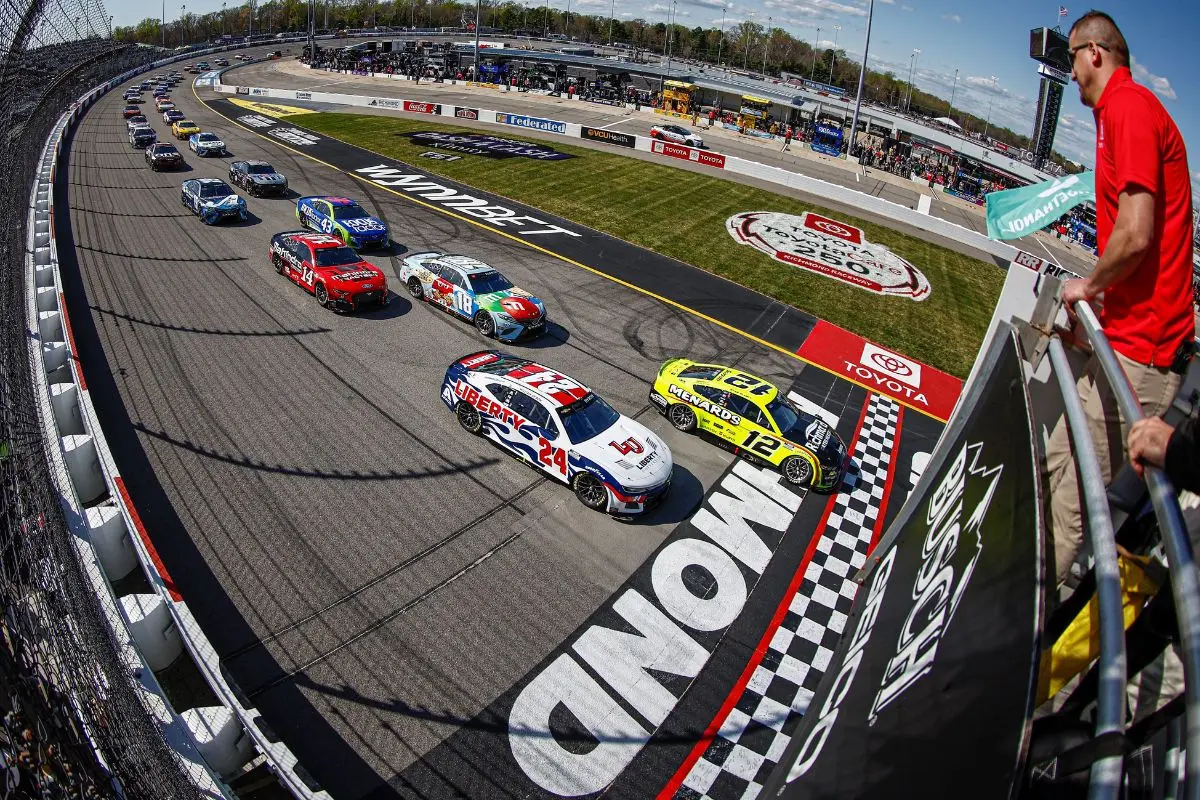
Secret Technology Behind NASCAR’s Winning Strategies: Real-time data greatly improves NASCAR performance by providing drivers and crew chiefs with critical insights during races. Data acquisition systems track metrics like speed, position, and driver behavior, enabling teams to refine strategies on the fly. GPS analytics help pinpoint ideal racing lines, while continuous performance feedback fosters driver consistency. Additionally, advancements in aerodynamics and materials boost vehicle efficiency and speed, allowing for informed pit-stop strategies. This integration of technology creates a competitive edge, resulting in smarter decisions that can determine race outcomes.
Key Highlights
- Real-time data acquisition systems capture speed metrics and GPS tracking, helping drivers optimize racing lines for better performance.
- Continuous analysis of driver behavior data enables targeted feedback, enhancing consistency and decision-making during races.
- Comparative metrics reveal competitive advantages, allowing crew chiefs to make informed strategic choices about pit stops and race tactics.
- Live data streaming provides instant updates on vehicle performance, aiding in quick adjustments to fuel and tire strategies.
- Enhanced communication through electronic systems ensures seamless collaboration between drivers and crew chiefs, fostering timely decision-making during critical race moments.
Technology’s Role in Enhancing NASCAR Performance and Safety
Improving NASCAR performance and safety through technology has become a vital aspect of the sport, revolutionizing how teams approach racing strategies and driver protection. Central to this transformation is the integration of advanced technology across numerous facets of racing, from vehicle design to in-race adjustments.
One of the most notable advancements is the development of sophisticated safety features installed into race cars. Innovations such as reinforced cockpits, energy-absorbing barriers, and advanced helmet designs have dramatically reduced the risk of injury during high-speed collisions. These improvements not only protect drivers but also instill confidence in their abilities to race aggressively without compromising their safety.
Moreover, engine systems have benefitted from technological advancements, allowing for increased power output while maintaining reliability. Improved fuel injection systems and electronic throttle control enhance acceleration and responsiveness, essential elements in a competitive environment where milliseconds can dictate race outcomes.
The sport’s commitment to continual improvement is evident in its acceptance of new materials and aerodynamic designs, contributing to performance and safety. Lightweight composites and wind tunnel testing have refined vehicle shapes, reducing drag and improving stability, particularly during high-speed movements.

Insights from Data Acquisition Systems
Data acquisition systems have become an essential part of modern NASCAR racing, providing teams with a wealth of information that can greatly enhance driver performance and tactical decision-making. By capturing and analyzing real-time data, teams can refine their strategies and improve the skills of their drivers.
As Chris Gayle, crew chief for the No. 11 Joe Gibbs Racing team, notes, these systems allow for a detailed examination of different metrics critical to race performance. The insights gained from data acquisition systems can be categorized into several key areas:
- GPS Tracking: Monitoring car location on the track enables precise positional analysis, allowing drivers to identify ideal racing lines.
- Speed Metrics: Continuous speed data collection helps teams understand fluctuations and identify areas of advancement during laps.
- Driver Behavior: Data on throttle, brake, and steering inputs facilitate targeted feedback, improving driver consistency and overall performance.
- Comparative Analysis: By comparing metrics like engine RPMs and brake force between cars, teams can uncover competitive advantages and refine their strategies.
“We get GPS data of the location of the car around the race track, we get speed, we get break, we get throttle, we get steering…” – (Chris Gayle)
These insights empower crew chiefs and drivers to make informed decisions that can greatly influence race outcomes.
“We have this basically for any lap. We spent a bunch of time doing that and posting videos for the driver to learn like where to land the car on the race track, when somebody’s beating him, and where and when they may be doing it.” – (Chris Gayle)
Aerodynamics and Materials: Building Faster, Lighter Cars
In the quest for speed and performance, NASCAR teams are increasingly focusing on the relationship between aerodynamics and materials in their race car designs. The evolution of race car engineering now incorporates sophisticated simulations and wind tunnel tests, allowing teams to carefully analyze airflow around their vehicles. This analytical approach guarantees that cars perform efficiently on corners and straightaways, improving overall competitiveness.
Aerodynamics plays a critical role in reducing drag and increasing downforce, both essential for achieving higher speeds. Teams have invested heavily in computational fluid dynamics (CFD) to predict how design modifications will affect performance. By refining the shape and contours of the car, engineers can notably improve its ability to slice through the air, translating into faster lap times and enhanced handling.
Simultaneously, the integration of advanced materials, such as carbon fiber, has revolutionized the construction of NASCAR vehicles. These materials are not only lighter but also exhibit exceptional strength and durability, meeting the rigorous demands of high-speed racing. The reduction in weight contributes to improved fuel efficiency, allowing teams to strategize on pit stops and overall race pacing.

Electronic Advancements and Fan Engagement
As NASCAR continues to evolve through advancements in engineering and technology, the integration of electronics has emerged as a revolutionary force, not only on the racetrack but also in enhancing the spectator experience.
The introduction of electronic fuel injection in 2012 marked a notable shift in how teams manage engine performance, allowing for greater precision and efficiency. This has set the stage for a broader transformation in how fans engage with the sport.
Modern broadcasting technologies have played a vital role in this transformation, enabling fans to connect with NASCAR like never before. The following advancements show how electronics have bridged the gap between the sport and its audience:
- Live Streaming: Fans can now watch races from anywhere in the world, providing unprecedented access and flexibility.
- Interactive Apps: Mobile applications allow fans to track real-time stats, race analytics, and driver performances, enhancing their understanding and enjoyment of the race.
- Social Media Integration: Platforms such as Twitter and Instagram foster direct communication between fans and drivers, creating a community that transcends geographical boundaries.
- Virtual Reality Experiences: Cutting-edge VR technology offers immersive experiences, allowing fans to feel as though they are in the cockpit during high-speed races.
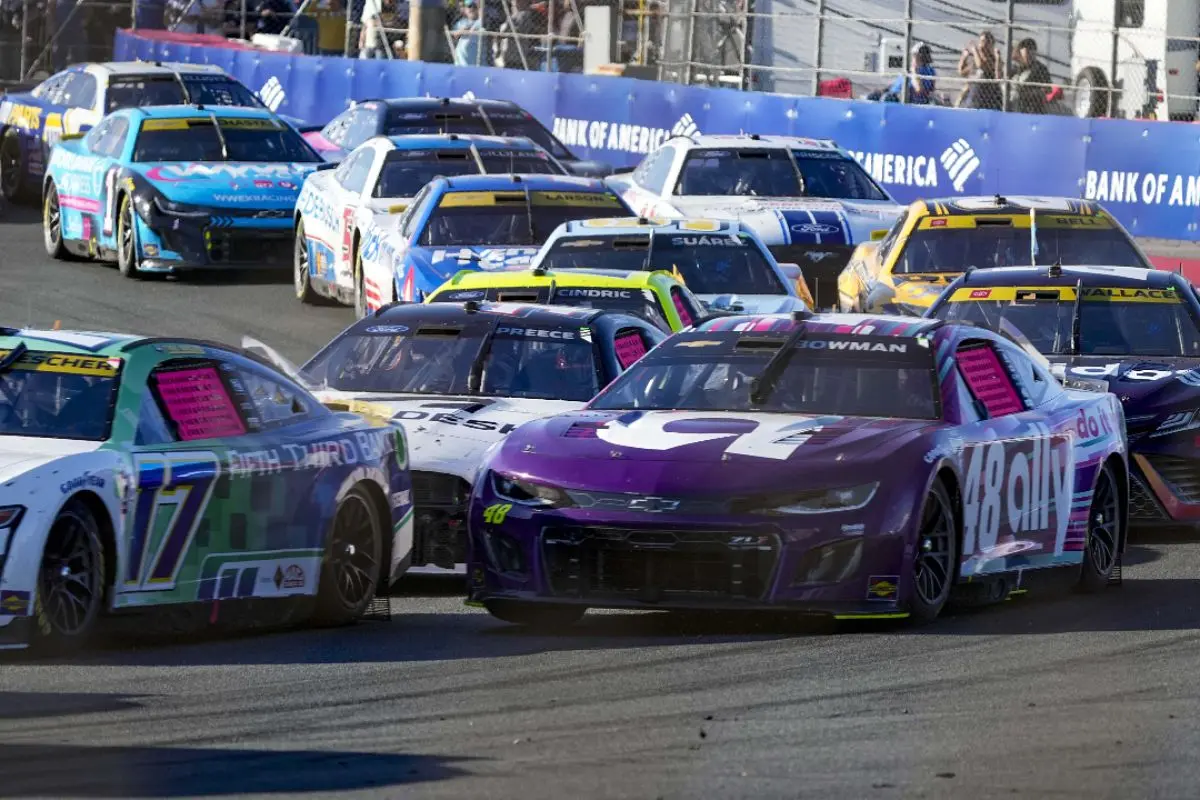
News in Brief: Secret Technology Behind NASCAR’s Winning Strategies
The integration of real-time data within NASCAR greatly improves decision-making for drivers and crew chiefs, ultimately contributing to enhanced performance and safety on the track. Advanced data acquisition systems provide critical insights that inform strategy, while innovations in aerodynamics and materials lead to faster, lighter vehicles.
Additionally, electronic advancements foster greater fan engagement, reflecting a holistic approach to the sport’s evolution. This synergy of technology highlights the importance of data-driven methodologies in motorsports.
ALSO READ: NASCAR’s 2024 Rookies Deliver Unforgettable Performances and Shock the Racing World

