

NASCAR leader defends 50 Million Dollars loss in Chicago, but what does this mean for the sport’s future? NASCAR is making bold moves to expand its reach, even if it means taking big financial risks. The decision to push forward with new races and partnerships has stirred up mixed reactions. Is NASCAR’s strategy smart, or are they betting too much on the unknown? Fans are eager to know how this gamble will pay off, and it could change NASCAR.
Key Highlights
- NASCAR’s $50 million investment in Chicago is part of a long-term strategy to expand its urban market presence.
- Despite financial setbacks, NASCAR leadership emphasizes the potential for growth and new fan engagement in Chicago.
- The Chicago street race attracted 70% new attendees, highlighting significant growth opportunities in urban markets.
- Leaders defend the decision as a strategic move to balance short-term losses with long-term audience expansion goals.
- NASCAR’s commitment to urban races reflects a broader strategy to innovate race formats and engage younger, diverse audiences.
NASCAR’s Bold Strategy to Compete with Global Racing Rivals
NASCAR is working hard to improve its place in global motorsports by trying new strategies to reach more fans and compete with international racing series like Formula 1 and IndyCar.
A big $7.7 billion TV deal shows NASCAR’s commitment to using media partnerships to grow its visibility. This includes teaming up with streaming services like Amazon Prime and Warner Brothers to attract a younger, tech-savvy audience.
A key part of this plan is the decision to hold a NASCAR Cup Series race in Mexico City. This move shows that NASCAR wants to expand beyond the U.S. and connect with a global fanbase.
By racing in Mexico City, NASCAR hopes to tap into the country’s strong motorsport culture and grow its fanbase. These moves show that NASCAR is trying to appeal to different groups of people and become less of a niche sport.

NASCAR’s Commitment Despite No Immediate Returns
NASCAR’s steadfast commitment to growth and diversification is characterized by its tactical ventures into new markets, even in the absence of immediate financial returns. By venturing into urban landscapes like Los Angeles and Chicago, NASCAR has illustrated a willingness to invest in future potential rather than solely current profitability. The decision to hold the Busch Light Clash at the L.A. Coliseum for two consecutive years, despite its relocation to Bowman Gray Stadium, highlights NASCAR’s adaptive strategy in tapping into diverse demographics.
In Chicago, persistent rain failed to deter NASCAR from retaining the street race for 2025. This decision emphasizes an understanding of the long-term value in sustaining presence in major metropolitan areas. Such choices accentuate NASCAR’s strategic patience, acknowledging that establishing a foothold in new markets requires time and resilience against initial setbacks.
The pursuit of the Long Beach Grand Prix, despite losing to IndyCar, further signifies NASCAR’s commitment to expanding its reach. The organization’s readiness to investigate international points races by 2025 reflects an ambition to broaden its global footprint, even as domestic challenges persist.
These actions are not merely about immediate economic returns but are part of a broader vision to engage new audiences and rejuvenate the sport’s fan base. NASCAR’s approach is a calculated gamble, balancing current financial losses with the potential for long-term gains.
NASCAR’s Financial Risk and Long-Term Strategy
Amid the evolving landscape of motorsports, NASCAR’s financial risk-taking emerges as a vital element of its long-term approach. The $50 million investment in Chicago, while not immediately profitable, represents a calculated gamble aimed at fostering future growth through tactical partnerships and market expansion. Despite the initial financial setback, NASCAR president Steve Phelps remains steadfast in the belief that this approach serves the broader objective of attracting new demographics to the sport.
“I think it’s really important for us to do, and we’re willing to invest. Like Chicago, financially, is a difficult race for us. It costs 50 million dollars to put that race on, and we unfortunately didn’t sell 50 million dollars worth of tickets and sponsorship. But was it a smart decision for us? I believe it was; it helped us both with Amazon coming in and Warner Brothers Discovery coming on board.” – Steve Phelps
The financial exposure in Chicago highlights NASCAR’s commitment to expanding its reach beyond traditional markets. By securing partnerships with major entities like Amazon and Warner Brothers Discovery, NASCAR is not only diversifying its revenue streams but also broadening its media footprint.
“For me, it’s really serving race fans. So if you think about Chicago or the Clash at the Coliseum, more than 70 percent of those who bought the tickets had never been to a NASCAR race. That’s a good thing for us, it is difficult to take them from other racetracks.” – Steve Phelps
Moreover, the notable percentage of new attendees at events like Chicago and the Clash at the Coliseum demonstrates the potential for cultivating new fanbases. Targeting non-traditional venues serves as a tactical pivot to introduce the sport to untapped markets, ultimately fostering long-term loyalty and engagement.
NASCAR’s willingness to endure short-term financial difficulties reflects a visionary approach to securing its future, predicated on innovation, tactical partnerships, and audience diversification. This multifaceted strategy positions NASCAR to navigate the challenges of modern motorsports with resilience and foresight.
NASCAR’s Innovative 2025 Schedule and Traditional Races
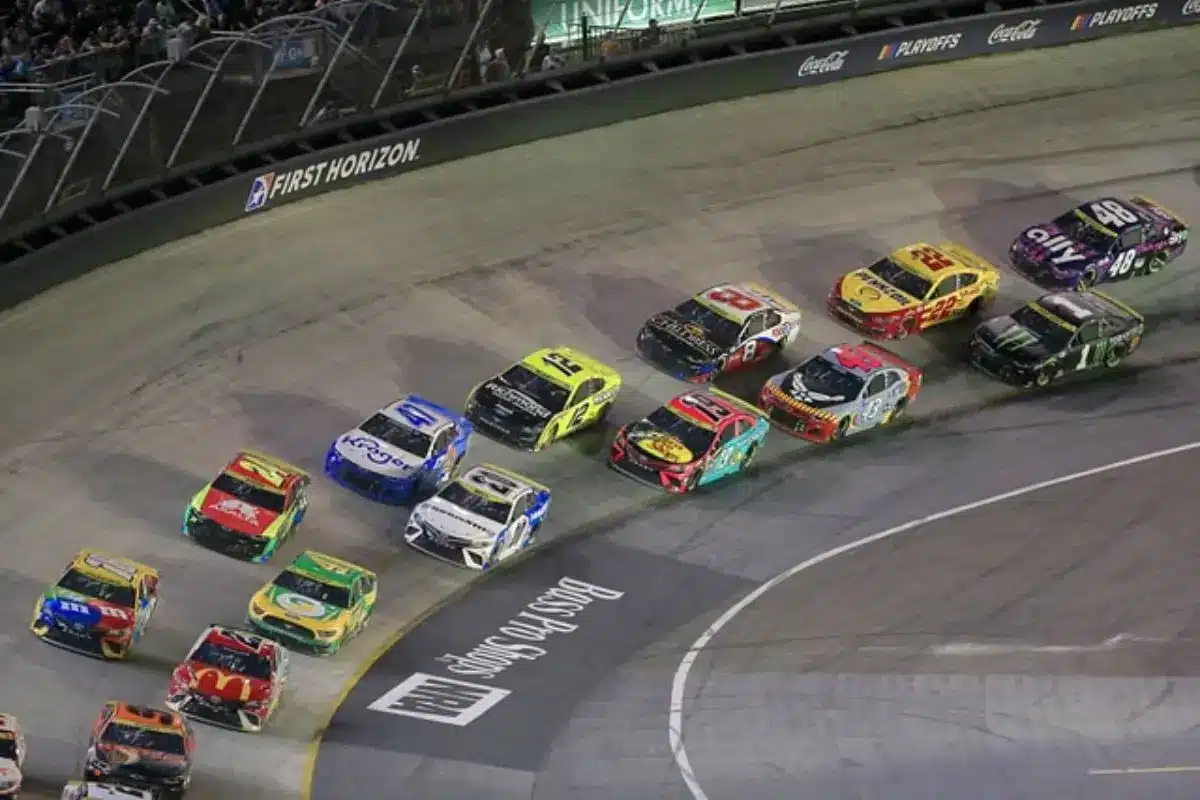
Building on its tactical initiatives to reach new audiences and secure its financial future, NASCAR has revealed a groundbreaking schedule for 2025 that skillfully balances tradition with modernity. This creative approach is a calculated response to both internal and external demands, blending time-honored events with fresh, experimental race formats designed to captivate a broader demographic.
The 2025 schedule maintains the integrity of NASCAR’s esteemed legacy by preserving iconic races that evoke nostalgia and loyalty among long-time fans. These traditional events, such as the Daytona 500 and Talladega Superspeedway, remain cornerstone fixtures, ensuring that the sport does not alienate its foundational audience. By anchoring the schedule with these races, NASCAR stays true to its roots, fostering an enduring connection with its core supporters.
Simultaneously, NASCAR has tactically integrated new races into the schedule, demonstrating a forward-thinking approach aimed at diversification and growth. This includes races in untapped urban markets and creative formats such as street circuits, which promise to improve the sport’s appeal to a younger, more diverse audience. Such initiatives are essential in an era where traditional viewership patterns are evolving and competition for entertainment dollars is fierce.
NASCAR Next Gen Car Issues and Potential Changes
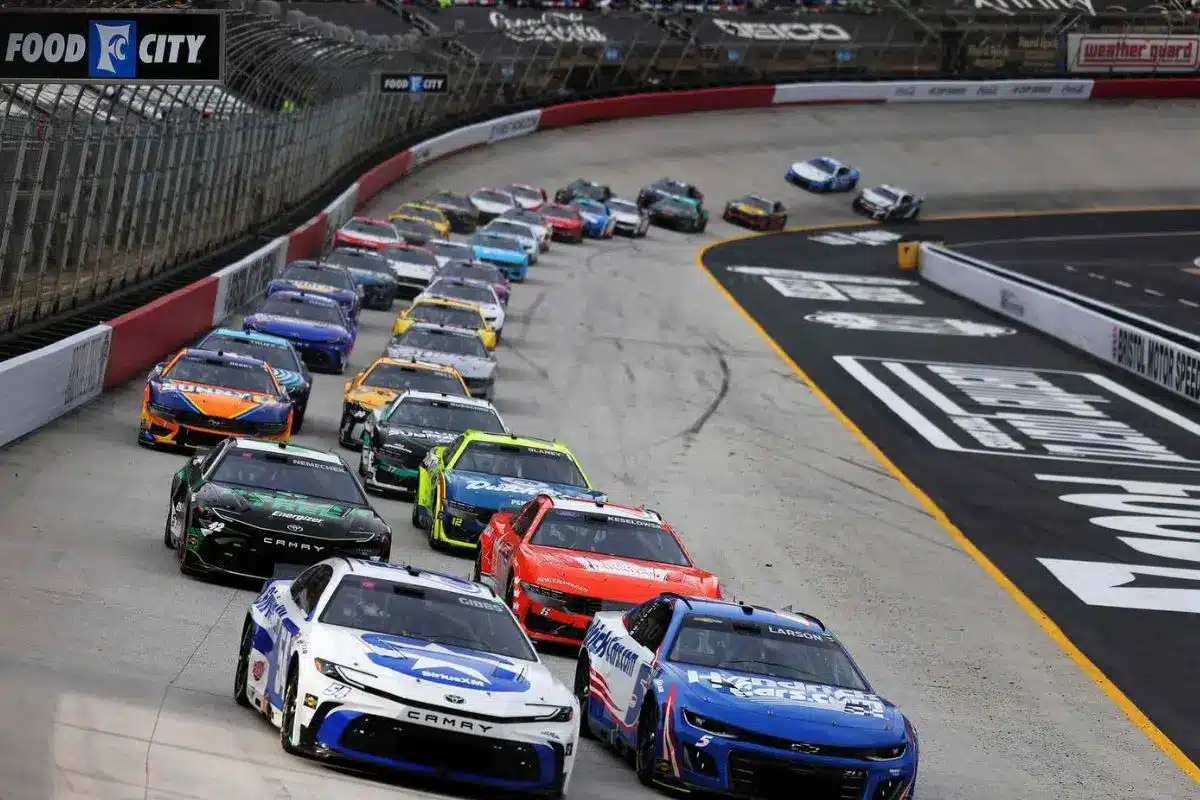
Addressing the challenges posed by the Gen 7 car, NASCAR faces mounting scrutiny over its impact on superspeedway and short-track racing dynamics. Since the introduction of the Gen 7 car, racing strategies have shifted, with superspeedways like Daytona adopting fuel-saving tactics, altering the traditional high-speed drama.
Short tracks, once a staple of NASCAR’s appeal, are now reportedly losing their allure, evidenced by Richmond’s loss of a race date for the upcoming season. The retention of the Roval road course event, however, highlights NASCAR’s attempt to balance tradition with evolving race dynamics.
Despite calls from drivers like Denny Hamlin to increase horsepower for a more competitive edge, NASCAR has tactically refrained from implementing notable modifications to the Gen 7 car. Steve Phelps, a prominent figure in NASCAR, emphasizes that any changes involve a collaborative approach with Original Equipment Manufacturer (OEM) partners, Goodyear, and race teams.
“It’s an industry-wide thing; it’s just not hey, NASCAR is going to do this, this, and this. It really is working with our OE partners, working with Goodyear, working with our race teams and we’re in constant collaboration with those groups.” – Steve Phelps
This multifaceted collaboration highlights the complexity of the sport’s ecosystem, where changes are not made in isolation but rather through industry-wide consensus.
A notable factor in NASCAR’s cautious approach may be the potential entry of a fourth OEM partner, with Honda rumored to be in discussions. Integrating Honda would necessitate platform stability, making the Gen 7 an attractive proposition.
News in Brief: NASCAR Leader Defends 50 Million Dollars Loss
NASCAR’s decision to persist with the Chicago street race, despite a $50 million loss, highlights a tactical commitment to long-term growth by engaging new urban audiences. This approach reflects a calculated financial risk aimed at diversifying revenue streams and enhancing competitiveness against global racing entities.
By prioritizing creative scheduling, while addressing issues with the NASCAR Next Gen car, NASCAR demonstrates a willingness to adapt and evolve, ultimately aiming for sustained success in an increasingly dynamic and competitive motorsport landscape.
ALSO READ: NASCAR Drivers Who Have Mastered the Snowball Derby With Multiple Victories to Their Name

