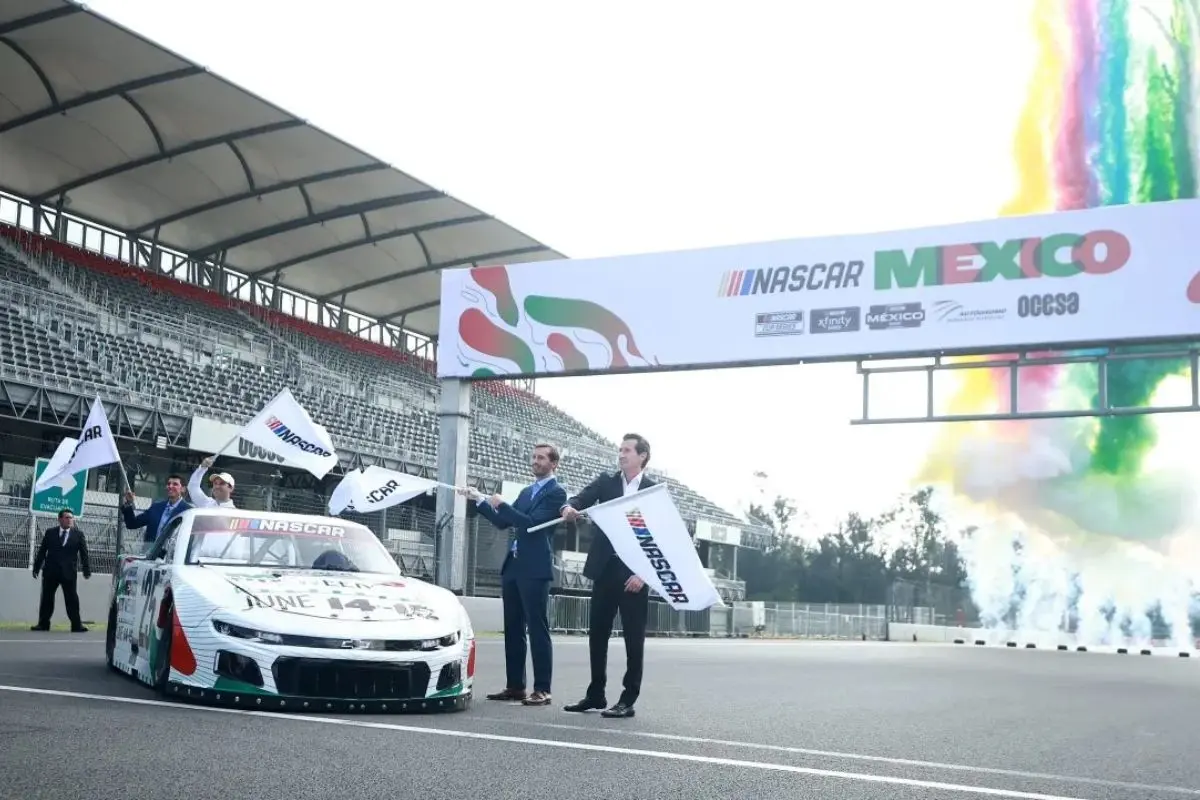
NASCAR’s Move to Mexico Faces Harsh Criticism: NASCAR’s tactical decision to include a race in Mexico for the 2025 schedule has been met with mixed reactions, highlighting a divide between innovation and preservation. While NASCAR aims to tap into new markets and cultural exchanges, veteran drivers like Ken Schrader and fans voice concerns over logistical hurdles and financial viability. Skeptics argue that this move risks diluting NASCAR’s identity, rooted traditionally in American motorsports, by facing unique challenges such as climate and track differences. Conversely, supporters like Kenny Wallace suggest that Mexico’s rich motorsport culture could rejuvenate the franchise.
Key Highlights
- Veteran drivers emphasize the logistical complexities and financial challenges of hosting a race in Mexico.
- Concerns arise over balancing NASCAR’s traditional American identity with its global expansion efforts.
- Climate and track characteristics in Mexico could impact car performance, posing additional challenges.
- Some fans strongly oppose the race due to logistical and financial issues.
- The decision to race in Mexico faces skepticism despite potential cultural exchange benefits.
NASCAR’s 2025 Schedule and the International Race in Mexico
The disclosure of NASCAR’s 2025 schedule has introduced a vital shift in the sport’s path, with the inclusion of an international race in Mexico standing out as a key development. This tactical move marks the initial time a regular season race will be held outside the United States, symbolizing NASCAR’s intent to expand its global footprint.
The decision, however, is not merely about geographical novelty but reflects a deeper, more calculated ambition to tap into burgeoning markets and diversify its fan base.
The choice of Mexico is important for several reasons. Mexico’s proximity to the United States presents logistical advantages, allowing for relatively seamless transportation of equipment and personnel. Additionally, Mexico boasts a rich motorsport culture, with an enthusiastic fan base that has supported numerous racing events, indicating a promising market for NASCAR’s expansion.
This venture could potentially attract new sponsors, energize the current fan base, and set a precedent for further international races.
However, this inclusion is not without its challenges. The adaptation to racing conditions in Mexico, such as climate and track characteristics, demands meticulous planning and execution. Teams will need to devise strategies differently, considering factors unique to the location that could impact car performance and race outcomes.
Furthermore, this move raises questions about how NASCAR intends to maintain its traditional American roots while embracing globalization. Balancing these dynamics will be essential.

Veterans Share Their Views on the International Race
Amid NASCAR’s ambitious plans to broaden its horizons with an international race in Mexico, veteran drivers like Kenny Wallace and Ken Schrader have weighed in with their seasoned perspectives. Their insights reveal a subtle understanding of the potential benefits and challenges associated with this tactical move.
Ken Schrader, speaking on the Herm & Schrader podcast, expressed pragmatic concerns about the logistical complexities of staging a race in Mexico. He highlighted uncertainties surrounding the transportation of equipment, emphasizing the need for a well-coordinated approach.
“It’s going to be a hike. I don’t know exactly how we’re going to do all the trucks and trailers yet, if they’re going to convoy them down there or what they’re going to do. Our sport is money driven. I wouldn’t be thrilled, you know, if I had to go, I wouldn’t be thrilled about it.” – (Ken Schrader)
“It’s going to be a hike,” Schrader remarked, pointing to the intricate logistics of moving trucks and trailers across international borders. His comment emphasizes the financial and operational implications that teams must navigate to guarantee a seamless execution. For Schrader, the financial aspects are critical, as he notes, “Our sport is money driven,” reflecting a broader industry sentiment that fiscal viability is paramount.
Not just NO but FUCK NO
— 16 pound balls (@16poundballs) December 18, 2024
Conversely, Kenny Wallace offered a more optimistic view, drawing from his personal experience at the Autodromo Hermanos Rodriguez. Wallace’s reflections on racing in Mexico City with the Xfinity Series convey a positive outlook: “They packed that place. It was fun.”
“I want to end this by saying I’ve raced at Hermano Rodriguez with the Xfinity Series two times. Had a wonderful time, and I mean, they packed that place. It was fun.” – (Kenny Wallace)
His comments suggest that the local enthusiasm and vibrant atmosphere could bring new energy into NASCAR. Wallace’s perspective highlights the potential for cultural exchange and fan engagement, painting a picture of opportunity rather than mere logistical hurdles.
Mixed Fan Reactions to the International Race
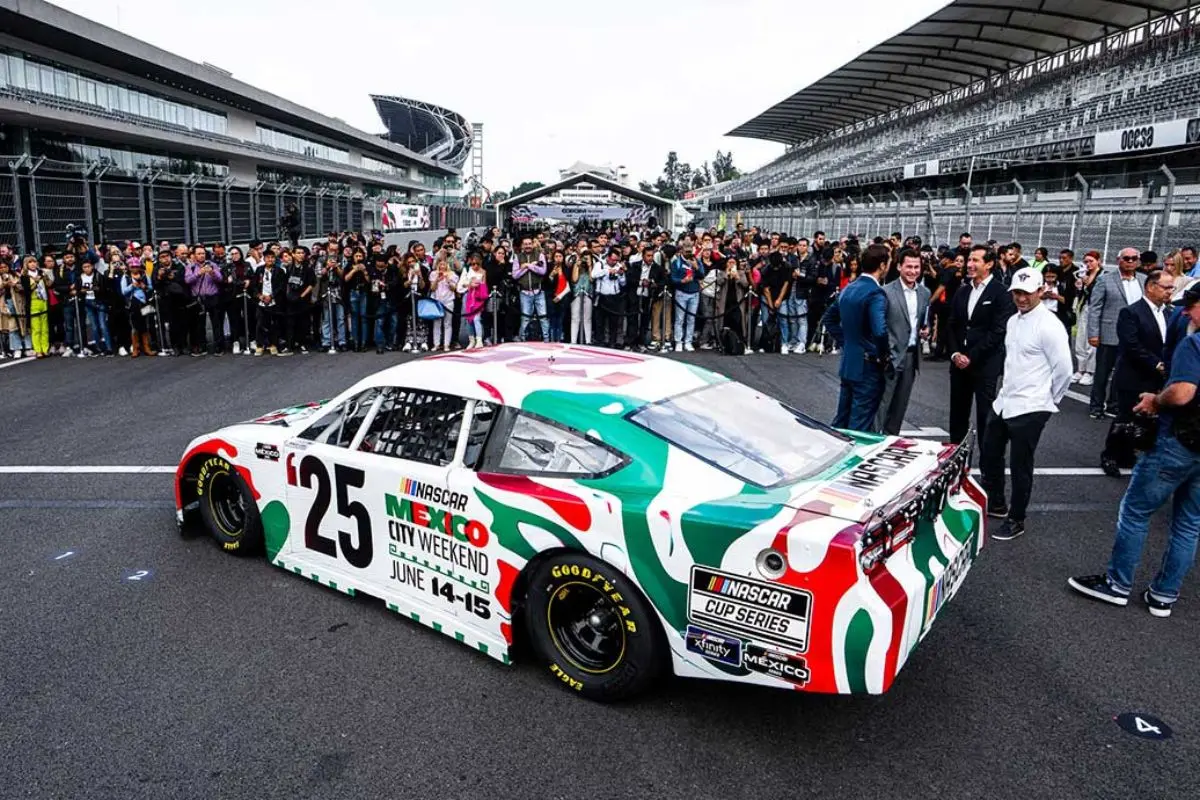
With NASCAR’s decision to expand the Cup Series to Mexico, fan reactions have illuminated a spectrum of opinions, reflecting enthusiasm and skepticism. The discourse among fans reveals a divide, where traditionalists express concern over potential impacts on the core of NASCAR’s identity, while others remain optimistic about the international exposure and growth opportunities this move could entail.
The feedback from the NASCAR community is frank and diverse. Some fans have voiced strong opposition, emphasizing logistical challenges and the risk associated with international travel. A particular sentiment echoes concerns about financial implications and the perceived deviation from NASCAR’s traditional racing style, as articulated through comments highlighting dissatisfaction with the short track package.
“Don’t like it. Fix the short track package first. Don’t make NASCAR a road course racing series.” – (fan reaction)
“I’m not a fan of it. Not only will it be costly but there will also be a risk of danger with international travel.” – (fan reaction)
“Not.In.Favor.” – (fan reaction)
In contrast, other fans acknowledge the necessity for tactical expansion to enhance the sport’s audience reach. This recognition suggests an understanding that NASCAR may require such bold moves to maintain its relevance in a competitive sporting landscape.
“My response is simple. Over fifty years as a multi track ticket holder paying an average of 3k to attend races don’t give a rats a** about international racing while the majority of local racing sucks.” – (fan reaction)
As the Xfinity Series prepares for its event at the Autodromo Hermanos Rodriguez, the success of NASCAR’s international venture remains to be seen, pending the unfolding reactions and outcomes of the upcoming races.
Brad Keselowski’s Views on Rotating the Championship Race
Occasionally, shifts in venue for major sporting events can spark spirited debates among fans and insiders, and NASCAR’s contemplation of rotating its Championship Race location is no exception.
The dialogue surrounding this potential change has been strikingly enriched by comments from former Cup Series champion Brad Keselowski. The current host, Phoenix Raceway, took over from Homestead-Miami Speedway in 2020 and has since been the setting for NASCAR’s climactic finale. Yet, the prospect of a rotating venue is gaining traction, among fans and within the NASCAR hierarchy.
Been thinking about this one for awhile.
I really like both @TooToughToTame or @CLTMotorSpdwy as a season finale.
What do you all think?
I’d do a poll but not sure hot to anymore… https://t.co/H4rSgrZmM5
— Brad Keselowski (@keselowski) December 17, 2024
Keselowski’s contribution to this debate was articulated via social media, where he expressed a preference for venues like Darlington Raceway or Charlotte Motor Speedway as potential hosts for the season’s final showdown. His suggestion highlights a broader sentiment that a rotating championship could energize the sport by diversifying its climactic location, potentially enhancing fan engagement and competitive dynamics.
“Been thinking about this one for awhile. I really like both Darlington Raceway or Charlotte Motor Speedway as a season finale. What do you all think? I’d do a poll but not sure hot to anymore.” – (brad Keselowski)
Steve O’Donnell, NASCAR’s COO, echoed a comparable openness to change by emphasizing the importance of growth and engagement within the sport. While affirming satisfaction with Phoenix, he hinted at a future where the championship race could circulate among a broader array of venues, thereby casting a wider net for fan and market engagement.
“So it’s going to be hard to replicate, if we were to move. I would not limit something just to Miami if we were to rotate it. I think you’d have a broader look at venues that could host a championship but short term we’re in Phoenix, we’re extremely happy there and we want to make sure that whatever we do, we continue to grow the sport when it relates to the playoffs.” – (Steve O’Donnell)
Although there is no definitive decision yet, the possibility of Homestead-Miami Speedway making a return remains a tantalizing prospect.

News in Brief: NASCAR’s Move to Mexico Faces Harsh Criticism
The introduction of NASCAR’s international race in Mexico has sparked considerable debate among industry veterans and fans. While the expansion presents potential growth opportunities in untapped markets, skepticism persists regarding its long-term viability and impact on the sport’s core values.
The mixed reactions emphasize the complexities of balancing tradition with innovation. Additionally, Brad Keselowski’s advocacy for a rotating championship race highlights the broader discourse on adapting NASCAR’s strategies to guarantee sustained relevance and engagement within a diverse global audience.
ALSO READ: NASCAR Driver Who Secured Historic Championship Without Winning a Single Playoff Race