
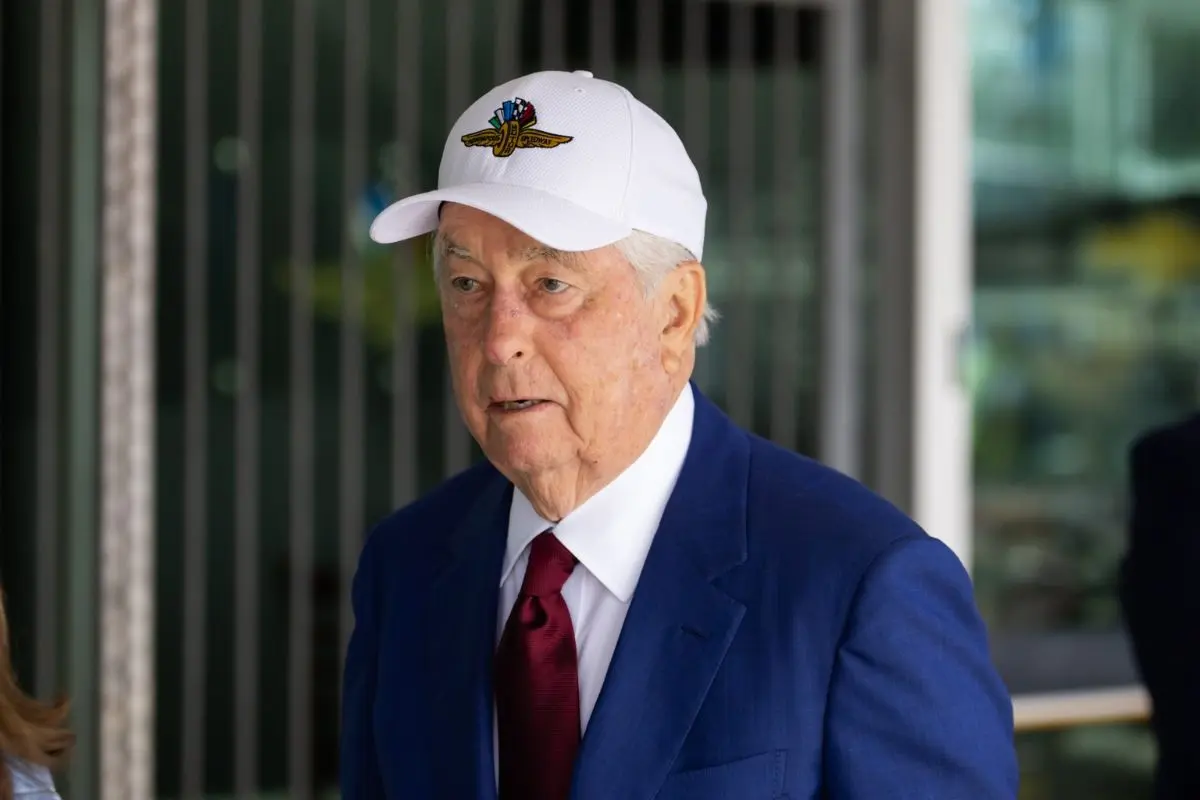
What If Darrell Waltrip Joined Roger Penske in 1980: A missed collaboration between Darrell Waltrip and Roger Penske nearly reshaped NASCAR history. Both titans, poised for unprecedented synergy, saw their plans dashed when Bill Gardner’s timely call altered their path. Penske, a maestro of strategy, could have paired superbly with Waltrip’s raw skill, transforming the sport’s competitive dynamics. Yet, Waltrip’s subsequent alliance with Junior Johnson brought three championships, highlighting a career defined by bold moves and legendary rivalries. The speculative “what if” of this almost partnership remains a tantalizing chapter, hinting at a NASCAR scene that might have been remarkably different.
Key Highlights
- Bill Gardner’s phone call interrupted the potential partnership between Darrell Waltrip and Roger Penske in 1980.
- Waltrip’s collaboration with Penske could have significantly altered NASCAR’s competitive landscape during the 1980s.
- The partnership might have enhanced car performance, combining Waltrip’s driving prowess with Penske’s engineering expertise.
- Waltrip’s eventual success with Junior Johnson fills the narrative with intriguing “what if” scenarios.
- Gardner’s intervention reshaped Waltrip’s career path and influenced his eventual success with Johnson.
Difference Between “What Has Been” and “What Could’ve Been”
In motorsports, where split-second decisions and unforeseen circumstances often shape the path of careers, the line between “what has been” and “what could’ve been” is particularly pronounced. This is especially true when considering the enticing possibility of a collaboration between NASCAR legend Darrell Waltrip and the iconic motorsport magnate, Roger Penske.
The 1980s marked a groundbreaking period for NASCAR, with Waltrip and Penske at the apex of their influence and potential. Waltrip, known for his tenacity and talent behind the wheel, was a prime candidate for Penske’s ambitious vision. Yet, fate, with its unpredictable twists, had other plans.
Imagine the synergy of Waltrip’s driving skill under the tactical and technological insight of Penske. Such a partnership could have redefined NASCAR, potentially elevating standards and expectations within the sport. The allure of “what could’ve been” extends beyond mere speculation; it invites us to ponder the impact on NASCAR’s evolution and the legacy of these two titans.
This “thin line” reflects not just the unpredictability inherent in motorsport but also highlights the myriad of factors—timing, opportunity, and choice—that can alter the course of history. While the collaboration never materialized, the intersection of their paths remains a fascinating chapter in NASCAR.

Penske’s Sudden Retreat from NASCAR Comeback
Navigating through the complexities of motorsport business decisions can be as challenging as the races themselves, a truth Roger Penske experienced firsthand during his initial NASCAR comeback. Penske’s return to NASCAR in 1980, poised to partner with Darrell Waltrip, seemed destined for success.
Yet, the anticipated collaboration hit an unexpected roadblock, bringing his NASCAR aspirations to an abrupt halt.
Roger Penske’s prior NASCAR endeavors in the 1970s had not met his lofty ambitions, prompting a tactical shift to focus on IndyCar, where he would later achieve unmatched success. However, the allure of a comeback was undeniable when Waltrip, a rising NASCAR star, entered the scene.
The potential synergy between Penske’s legendary team management skills and Waltrip’s driving talent promised a formidable force in NASCAR.
The promising deal, which almost reached fruition during a meeting at Penske’s New York residence, was suddenly canceled. A critical phone call from Bill Gardner altered the course of the agreement.
“I was going to drive for Roger Penske… So I go to Roger’s house in New York… Made a deal.” – (Waltrip)
The message was clear: proceeding with the contract could jeopardize both their racing careers. Penske, faced with this unforeseen ultimatum, chose to retreat from what could have been a game-changing partnership.
“Next day Roger calls me and said, ‘Hey, tear that deal up… deal’s off… The reason? … Bill Gardner called… said if I sign you to a contract. Neither one of us will be in racing anymore.” – (Waltrip)
Bill Gardner’s Influence Over Waltrip’s Career
Bill Gardner’s steadfast hold over Darrell Waltrip‘s career path was a blessing and a hindrance, shaping his expedition in ways few could have anticipated. As the owner of DiGard Racing, Gardner’s influence was paramount during Waltrip’s early years.
Under Gardner’s guidance, Waltrip experienced unmatched success, clinching 25 victories over a five-year span. This remarkable track record solidified Waltrip’s reputation as a formidable force in NASCAR.
However, the dynamic between Gardner and Waltrip was far from seamless. While their on-track achievements were indisputable, off-track conflicts often brewed beneath the surface. One of the most notable instances of Gardner’s intervention was in 1978, when Ranier Racing expressed a keen interest in acquiring Waltrip’s talents.
The offer promised an exciting new chapter for Waltrip, yet Gardner firmly obstructed the shift. His refusal to release Waltrip from DiGard Racing ultimately squashed what could have been a crucial career move for the driver.
Gardner’s influence over Waltrip wasn’t merely about preserving talent; it stemmed from a complex interplay of loyalty and control. Waltrip had initially joined DiGard when his team was in dire financial straits, a decision that certainly secured his career at the time. However, this bond would also tether him to Gardner’s vision, sometimes at the expense of his aspirations.

Game-Changing Opportunity at Junior Johnson’s Team
Destiny’s call came in the form of a game-altering opportunity when Darrell Waltrip was approached to join Junior Johnson’s team. The unfolding of events was nothing short of fortuitous, as Waltrip found himself at a crossroads after the Penske deal fell through.
Yet, fate had a grander scheme in store for him, personified by the legendary Cale Yarborough—then a reigning three-time champion. Yarborough, in an honest moment, disclosed his plans to vacate his seat at Junior Johnson’s team and, more importantly, endorsed Waltrip as his successor. This disclosure was momentous, given Yarborough’s formidable presence on the track.
“Cale put his arm around me and said, ‘Darrell, I’m going to tell you something. I’m leaving Junior’s, he said ‘I hadn’t told anybody. But here’s what I want to tell you: Junior Johnson wants you to drive his car.’” – (Waltrip)
For Waltrip, the prospect of driving for Junior Johnson was not merely an opportunity; it was a life-altering moment that promised to redefine his career path. Junior Johnson, a name synonymous with racing excellence, had chosen Waltrip to carry forward a legacy of speed and success.
- Legacy and Trust: Junior Johnson’s faith in Waltrip symbolized a passing of the torch, entrusting him with a legacy built on victories and championships.
- Opportunity for Growth: Joining Johnson’s team presented Waltrip with the chance to hone his skills under the tutelage of one of the sport’s most perceptive minds.
- Tactical Alignment: The move aligned Waltrip with a team known for its strategic insight, offering a robust platform for competitive performance.
- Personal Fulfillment: This opportunity marked a crucial chapter in Waltrip’s career, fulfilling an aspiration to compete at the highest level.
Career Defined by Junior Johnson and the “What Ifs”
Often, the path of a racing career is defined by essential decisions, and for Darrell Waltrip, joining Junior Johnson’s team was a masterstroke that etched his name into NASCAR. Under Johnson’s banner, Waltrip flourished, capturing three NASCAR championships and solidifying his status as one of the sport’s all-time greats.
The decision to partner with Johnson was more than a career choice; it was a critical moment that aligned talent with opportunity, crafting a legacy that resonates to this day.
Yet, the narrative of Waltrip’s career isn’t solely about victories. There’s an intriguing layer of “what ifs” that adds depth to his story. Chief among them is the tantalizing yet unrealized prospect of joining forces with Roger Penske in 1980, a hypothetical scenario that tickles the imagination of motorsport enthusiasts.
Penske, an icon in his own right with a storied IndyCar legacy, eventually made notable inroads in NASCAR. One can only speculate how the synergy of Penske’s precision and Waltrip’s skill might have altered NASCAR.
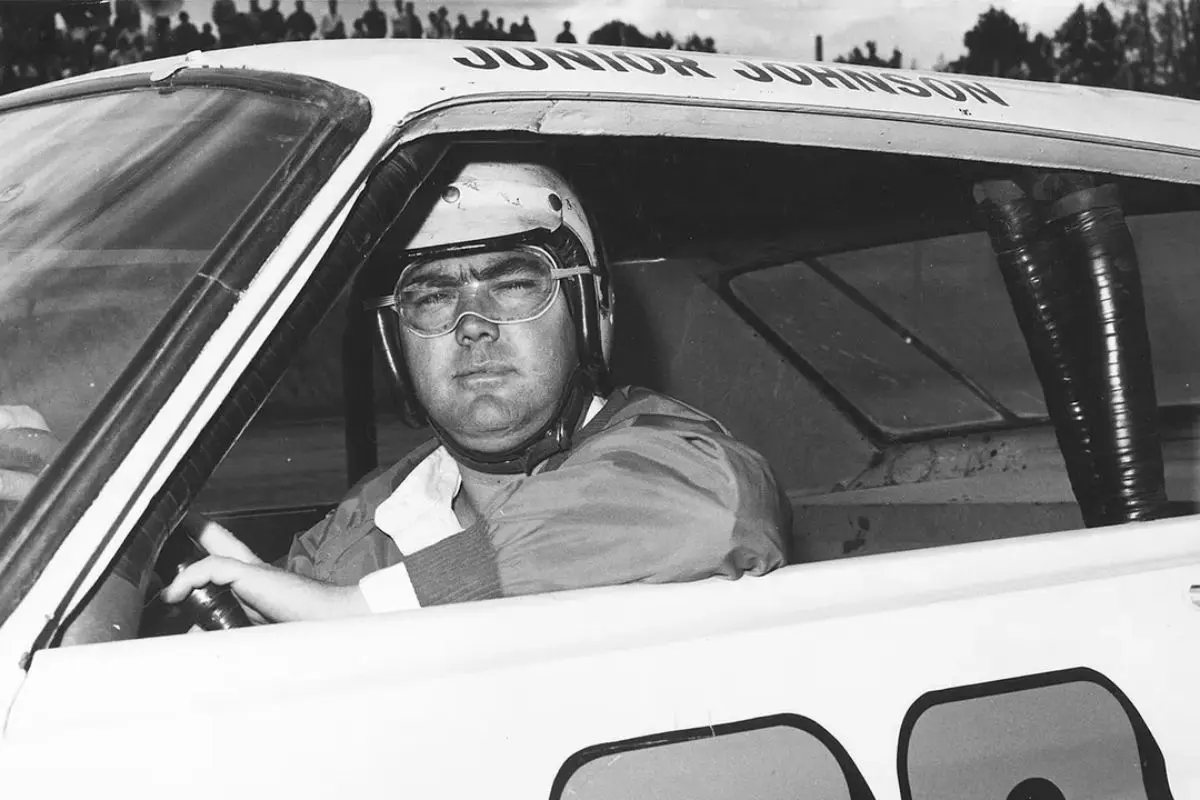
News in Brief: What If Darrell Waltrip Joined Roger Penske in 1980
The intersection of Darrell Waltrip’s career with Roger Penske’s NASCAR ambitions in 1980 presents a fascinating exploration of alternate histories in motorsport. Penske’s unexpected withdrawal, coupled with Bill Gardner’s tactical guidance, ultimately directed Waltrip toward Junior Johnson’s team, shaping a legendary career.
This crucial moment highlights the intricate web of decisions and opportunities that define racing legacies. While the “what ifs” linger, the reality forged by these choices remains a demonstration of the unpredictability of racing’s path.
ALSO READ: How Roger Penske Outshined Rick Hendrick in NASCAR’s 2024 Championship Race!

