
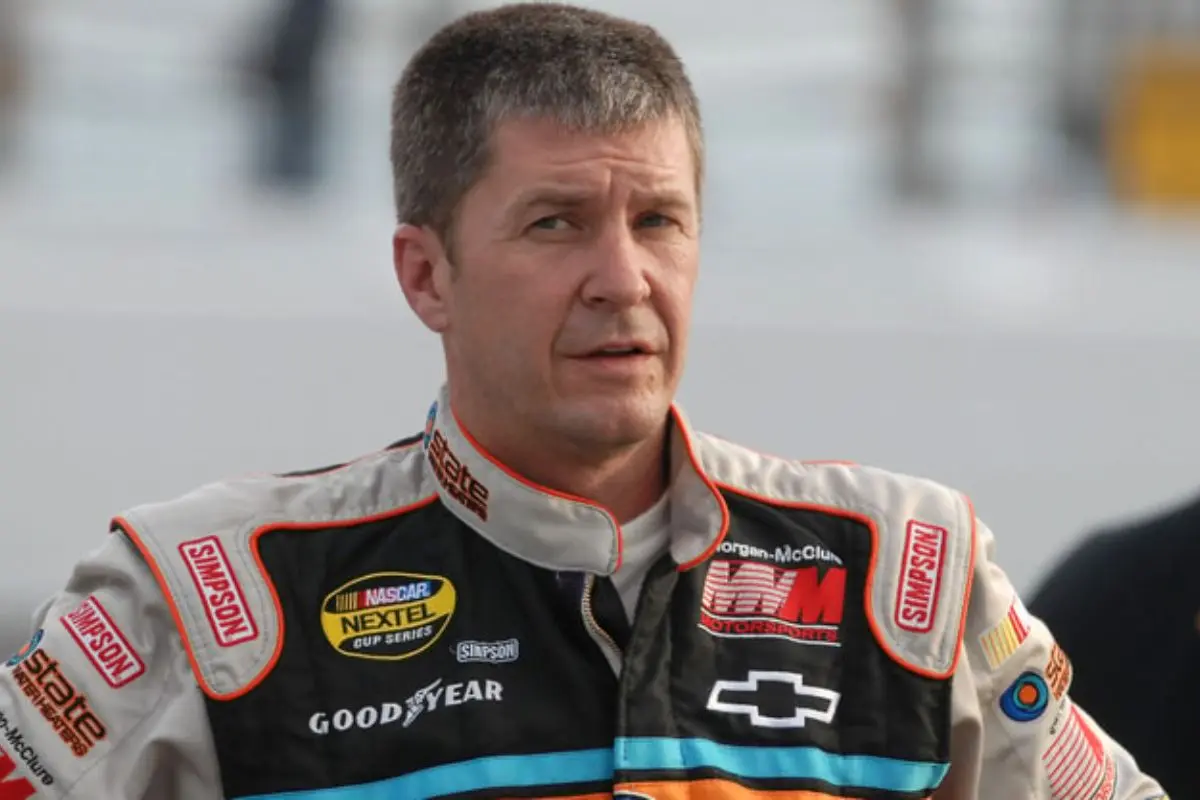
Ward Burton Calls Out NASCAR for Ignoring Drivers: Ward Burton, a renowned NASCAR driver and Daytona 500 winner, has criticized NASCAR management for prioritizing sponsorship over driver talent. Burton highlights the disparity between traditional racing values and current practices where financial backing often outweighs skill. This shift has altered driver recruitment, with marketability sometimes overshadowing raw talent, as seen in the cases of Paul Menard and Toni Breidinger. Sponsorship now plays an essential role in a driver’s career stability, raising concerns about the sport’s competitive integrity. As drivers increasingly manage sponsor relationships, this trend emphasizes broader challenges in maintaining the essence of NASCAR.
Key Highlights
- Ward Burton criticizes NASCAR management for prioritizing commercial interests over genuine racing experience and driver input.
- Sponsorship influence is criticized by Ward Burton for overshadowing raw talent in driver recruitment and career longevity.
- Ward Burton calls for NASCAR leadership with in-depth racing knowledge to balance commercial and competitive interests.
- Sponsorship pressures force drivers to prioritize financial backing over performance, affecting competitive integrity according to Ward Burton.
- Ward Burton emphasizes the disconnect between NASCAR management decisions and drivers’ real racing experiences.
Burton Brothers’ Legacy in NASCAR
The Burton brothers, Jeff and Ward, have carved out a remarkable legacy in the NASCAR history. Known for their distinctive driving styles and substantial contributions to the sport, they have left an indelible mark that extends beyond their on-track achievements. As icons of NASCAR, the Burtons exemplified the blend of talent, resolve, and perseverance that defines successful drivers.
Jeff Burton’s career is characterized by his calculated approach to racing, earning him the moniker “The Mayor” for his ability to navigate the complexities of NASCAR. His methodical driving style and consistent performance garnered him numerous accolades and a reputation as a formidable competitor. Jeff’s career reflects a commitment to excellence and a deep understanding of racing strategy.
In contrast, Ward Burton’s legacy is defined by his fierce competitiveness and spirited nature. Known for his tenacity and willingness to speak his mind, Ward captured the hearts of fans with his driving skill and frank personality.
Ward Burton’s Critique of NASCAR Management
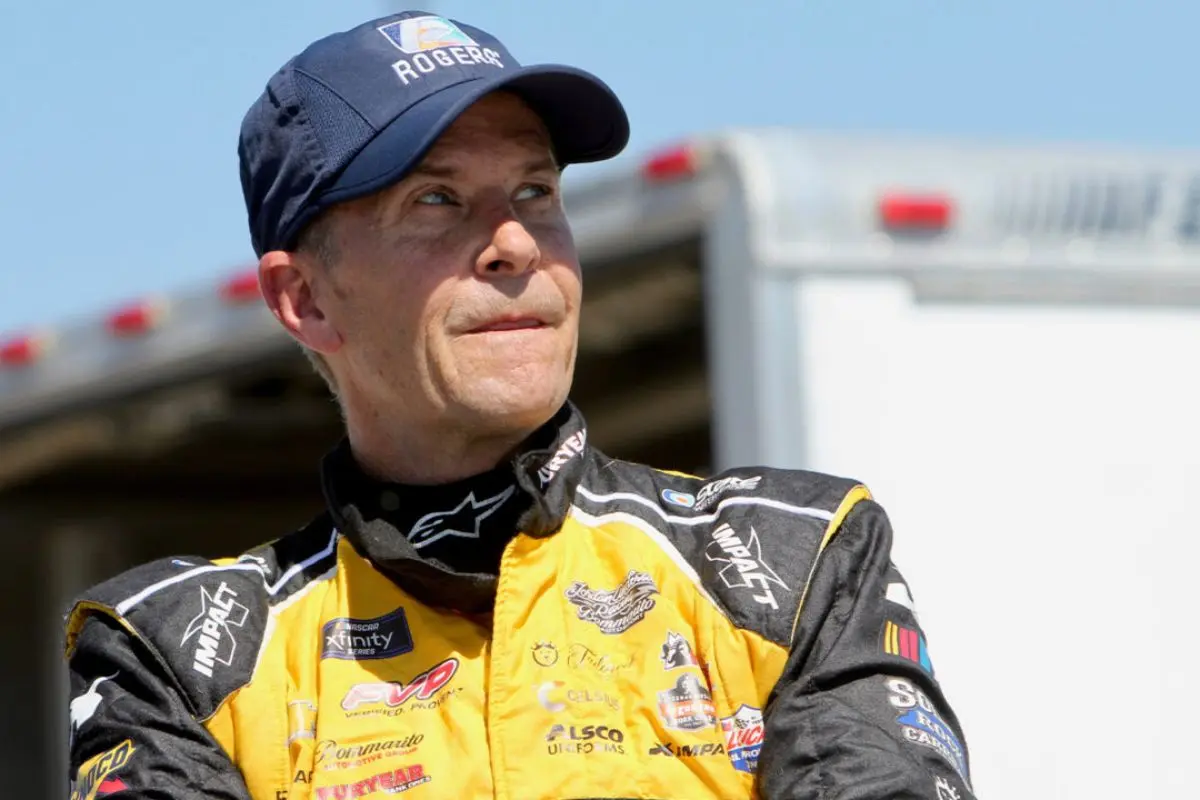
As the Burton brothers’ legacy continues to influence NASCAR, Ward Burton has emerged as a vocal critic of its current management. Through his recent appearance on the Crossroad podcast, Ward Burton articulated his concerns regarding the direction in which NASCAR is heading.
“The cars are much, much safer, which is great. But the racing is no better. And like Jeff is saying with all the money being spent and that there a not one car owner in the entire truck or Xfinity garage now that AJ Allmendinger is gone, he was the only driver that got put in a car that had sponsored without him bringing it.” – (Ward)
“So now there’s none and the same thing as heading to the Cup series. And some of it’s always there. As y’all know the sanctioning body needs to do. I think it needs to be run by racers. I got nothing against the France family, but I think sometimes they are not in the driver’s seat of what the racers are going through.” – (Ward)
Acknowledging the commendable advancements in car safety—a credit he partially attributes to his brother Jeff Burton—Ward did not shy away from pointing out the shortcomings he perceives in the racing quality. His critique stems from a belief that, despite the technological and safety improvements, the essence of the competition has not reached its potential.
Ward Burton’s primary criticism is directed towards the lack of racer-centric decision-making in NASCAR’s upper management. He expressed a sentiment that the sport is being run by those who may not fully grasp the intricacies faced by drivers on the track, suggesting a disconnect between management and the racers.
Ward’s assertion that NASCAR should be guided by individuals who have intimate knowledge of racing is a call for a shift in governance, one that could potentially improve the authenticity and excitement of the sport.
Moreover, Ward’s commentary highlights a broader narrative about the evolving landscape of NASCAR. He alludes to a possible diminishing role for drivers in the business decisions that shape their careers, hinting at the need for a balance between commercial interests and the sport’s core competitive spirit.
Sponsorship Issues in NASCAR
Sponsorship dynamics have increasingly become a crucial factor in the stability and success of NASCAR drivers’ careers. In recent years, the motorsport landscape has seen several drivers lose their seats due to sponsorship issues, raising questions about the influence of financial backing on team decisions.
One notable case is Kyle Busch, who departed Joe Gibbs Racing amid sponsorship complications. Busch publicly expressed his frustration, alleging that the team did not adequately pursue potential sponsors like Oracle, which led him to seek opportunities elsewhere. His experience highlights the precarious nature of racing careers, where financial considerations often outweigh talent and performance.
“Did JGR try hard enough to sell me? My answer to that is no,” Busch said. “So, I’m like, ‘There’s no way they’re going to do a NASCAR deal. Not a chance.’ So, I told those guys, ‘Look, you got to look elsewhere. You got to look outside.” – (Ward)
While Busch’s case is prominent, it is not isolated. Numerous drivers face similar challenges, making sponsorship a crucial component of their professional trajectories. The dependency on corporate support in NASCAR is multifaceted; it dictates not only team compositions but also influences race strategies and long-term career planning for drivers.
Teams, often bound by financial constraints, prioritize sponsors’ demands, sometimes at the expense of driver loyalty or performance-based decisions. This dynamic creates a competitive tension, where maintaining sponsorship becomes as vital as excelling on the racetrack. Consequently, drivers must navigate a complex environment where their market value is as substantial as their lap times.

Marketability of Drivers and Sponsorship Influence
Marketability has become a vital element in determining a NASCAR driver’s career path, often overshadowing raw talent and racing expertise. This trend is evident in examples such as Paul Menard, whose continued presence in NASCAR was largely attributed to his family’s financial backing, despite an average finish below 15th in most races.
Likewise, marketability plays a noteworthy role in the decisions of racing teams when considering new drivers. Toni Breidinger’s entrance into NASCAR exemplifies this shift—her notable social media presence and modeling career with Victoria’s Secret were key factors in her recruitment by Tricon, alongside her commendable racing record.
Ward Burton’s critique highlights a growing concern within the sport, where the focus on attracting sponsorships can sometimes eclipse a driver’s on-track performance. This trend raises pressing questions about the balance between business interests and maintaining the integrity of competitive racing.
- Sponsorship Dependency: Teams often prioritize drivers who can bring financial backing, which may limit opportunities for talented but less marketable racers.
- Social Media Influence: A strong online presence can greatly improve a driver’s marketability, impacting their career path.
- Public Perception: Fans increasingly debate whether marketability compromises the competitive nature of NASCAR, affecting traditional values within the sport.
Role of Sponsorship in Team Operations
In NASCAR, sponsorship is not merely a supplementary aspect; it is the lifeblood of team operations. Sponsorship funds not only determine the ability to hire skilled drivers but also sustain the entire team and guarantee profitability.
As Ward Burton highlights, the financial strains in contemporary NASCAR are immense, and the stakes are high. The absence of adequate sponsorship can lead to operational shutdowns, as evidenced by the closure of Stewart-Haas Racing, emphasizing the critical role that sponsorship plays.
Historically, the dynamics of sponsorship were different. During the peak popularity of NASCAR, drivers like Jimmie Johnson and Jeff Gordon thrived in an era where the sport was more affordable and sponsors keen to invest, largely driven by the sport’s considerable viewership. This landscape allowed drivers to display their talent without the overshadowing concern of financial backing.
However, the current scenario has shifted dramatically. The decline in viewership post-COVID has led to a scarcity of sponsorship opportunities, causing substantial financial strain on teams. Joe Gibbs Racing‘s loss of FedEx as a sponsor further highlights this challenge, prompting an urgent search for new partners.
Nonetheless, the introduction of a new $7.7 billion deal may signal a potential resurgence, offering hope for improved sponsorship landscapes. This development could potentially revitalize the sport, attracting a fresh wave of sponsors keen to invest in a rejuvenated NASCAR.
 Hendrick Motorsports 40th Anniversary Book” width=”1200″ height=”800″ srcset=”https://slicksandsticks.com/wp-content/uploads/2024/12/Hendrick-Motorsports-40th-Anniversary-Book.webp 1200w, https://slicksandsticks.com/wp-content/uploads/2024/12/Hendrick-Motorsports-40th-Anniversary-Book-300×200.webp 300w, https://slicksandsticks.com/wp-content/uploads/2024/12/Hendrick-Motorsports-40th-Anniversary-Book-1024×683.webp 1024w, https://slicksandsticks.com/wp-content/uploads/2024/12/Hendrick-Motorsports-40th-Anniversary-Book-768×512.webp 768w, https://slicksandsticks.com/wp-content/uploads/2024/12/Hendrick-Motorsports-40th-Anniversary-Book-630×420.webp 630w, https://slicksandsticks.com/wp-content/uploads/2024/12/Hendrick-Motorsports-40th-Anniversary-Book-150×100.webp 150w, https://slicksandsticks.com/wp-content/uploads/2024/12/Hendrick-Motorsports-40th-Anniversary-Book-696×464.webp 696w, https://slicksandsticks.com/wp-content/uploads/2024/12/Hendrick-Motorsports-40th-Anniversary-Book-1068×712.webp 1068w” sizes=”auto, (max-width: 1200px) 100vw, 1200px” />
News in Brief: Ward Burton Calls Out NASCAR for Ignoring Drivers
The critique by Ward Burton highlights a critical issue within NASCAR, where sponsorship heavily influences drivers’ careers, overshadowing talent and dedication. This dynamic affects team operations and the marketability of drivers, often prioritizing financial backing over skill.
The legacy of drivers like the Burton brothers emphasizes the need for a balance between commercial interests and athletic merit. Addressing these issues could guarantee a more equitable and talent-focused environment within NASCAR, preserving the integrity of the sport.
ALSO READ: What Is the Relation Between Harrison Burton and Ward Burton in NASCAR’s Family Legacy?

