
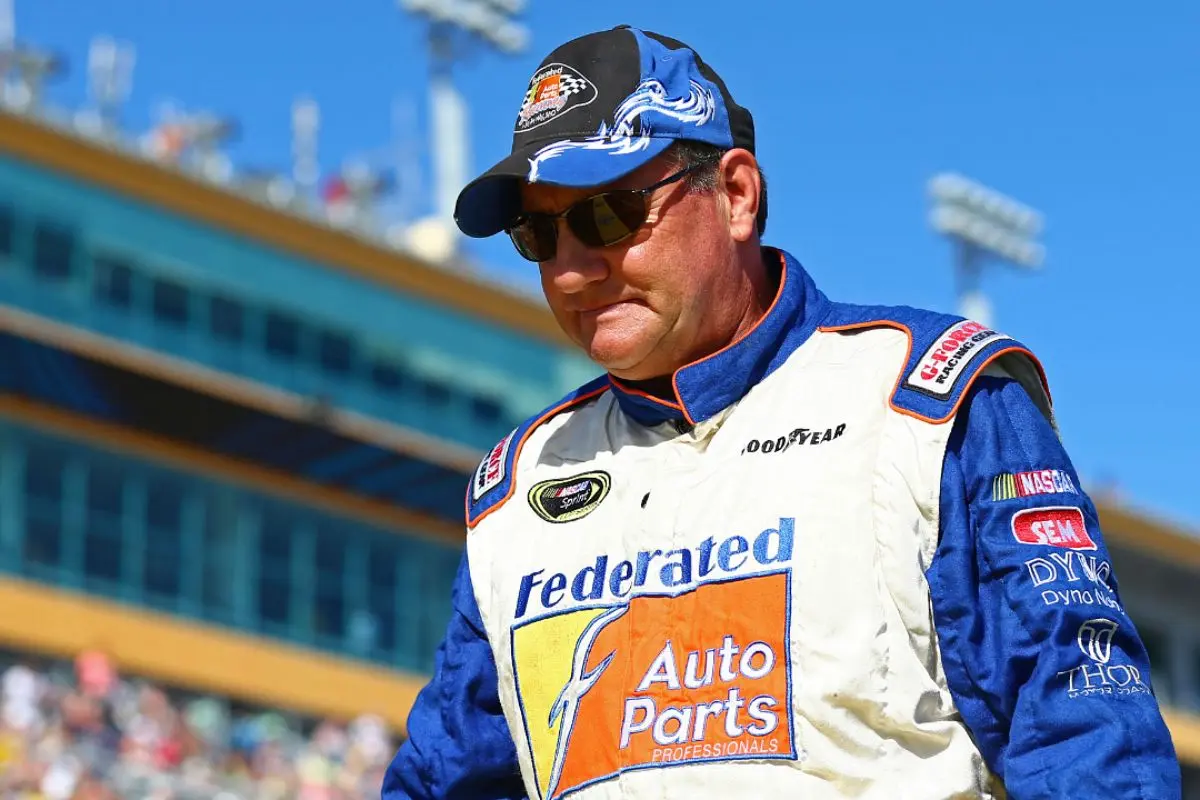
The complicated life of older NASCAR racers isn’t often talked about, but one ex-driver is shedding light on the struggles that come with age in the sport. As Mike Wallace’s cancellation stirs up controversy, many are wondering if older drivers still have a place in the fast-paced world of NASCAR. With racing being a young man’s game, is there room for experience, or are older racers being pushed out?
Key Highlights
- Ken Schrader discusses how aging affects physical performance, including slower reaction times and increased fatigue, impacting older NASCAR drivers’ competitiveness.
- He highlights the balance between youthful energy and veteran wisdom, emphasizing the unique strengths older drivers bring to NASCAR.
- Schrader addresses the safety concerns of older drivers, noting the importance of adapting to modern vehicle technologies.
- The role of veteran drivers in mentoring younger racers is crucial, contributing to the sport’s depth and historical richness.
- Schrader suggests alternative pathways for older drivers, like participating in the ARCA Series, to ensure continued involvement in racing.
The Debate on Age in NASCAR
While age is often seen as a barrier in many sports, NASCAR presents a unique platform where experience can be as valuable as youthful agility. The ongoing debate regarding age in NASCAR was recently highlighted by the contrasting situations of Helio Castroneves and Mike Wallace. At 49, Castroneves may be granted an Open Exemption Provisional to compete in the prestigious Daytona 500, despite not qualifying through traditional means.
Conversely, the decision to ban 65-year-old veteran Mike Wallace has stirred conversation about the limitations and perceptions surrounding older drivers in the sport. Wallace’s aspiration to participate in the Daytona 500 has sparked discussions about whether NASCAR is more suited to young racers or if seasoned veterans still have a place on the track.
This debate is not merely about age; it is about the balance between the vigor of youth and the wisdom that comes with years of racing. The question of whether age should be a factor in a driver’s ability to compete effectively remains open-ended.
NASCAR’s tradition and history, as evidenced by the sold-out Daytona 500 for ten consecutive years, seem to welcome both experienced veterans and spirited newcomers. Yet, the exclusion of Wallace raises significant questions about where the line is drawn.

Ken Schrader and Kenny Wallace Discuss Age in NASCAR
As the conversation surrounding age in NASCAR intensifies, Kenny Wallace and Ken Schrader added their voices to the debate through their podcast, Herm and Schrader. The duo tackled the topic of why older drivers often struggle to compete with the younger talents in the sport.
Schrader, a seasoned veteran, offered his insights into the complex challenges that aging drivers encounter. He highlighted how responsibilities outside the track, such as family commitments, weigh heavily on older competitors. These obligations, he suggested, often divert focus and time from the demanding career of professional racing.
Furthermore, Schrader emphasized the physical demands of NASCAR, which can be more taxing for older bodies. The rigors of maintaining peak physical condition for high-speed racing events present notable hurdles. In contrast, younger drivers, typically in their physical prime, have an advantage in enduring these challenges.
“Your life changes too much as you get older. You’ve got too many different things pulling at you… Sure, the young guys in the sport now, they’ve got little ones too. But they don’t have kids in college, ones who are married, or grandkids. Life just gets more complicated as you get older.” – Ken Schrader
Schrader noted that these younger racers are often more adaptable to the evolving demands of the sport, both regarding physical endurance and the level of commitment required.
Wallace and Schrader did not dismiss the skills and experience that come with age; rather, they acknowledged the shifting dynamics within NASCAR that favor agility and resilience. Their discussion invites a broader reflection on how the sport can support aging drivers while recognizing the contributions of youthful competitors.
This balanced discourse on Herm and Schrader encourages a detailed understanding of the intersection between age and performance in NASCAR, without detracting from the legacy and expertise of seasoned drivers.
Physical and Logistical Challenges of Older Drivers
Building on the insights shared by Kenny Wallace and Ken Schrader, the conversation shifts to the physical and logistical challenges that older drivers face in NASCAR.
Ken Schrader articulated that the rigorous demands of NASCAR racing present noteworthy hurdles for veteran drivers. While experience and tactical thinking are essential, the physical stamina required to endure long hours in high-pressure environments often favors younger competitors. Schrader remarked on how younger drivers possess a physical edge, primarily due to their ability to maintain intense focus and energy over extended periods.
The physical demands of NASCAR racing extend beyond mere endurance; they encompass the ability to withstand the intense G-forces and the physical strain exerted by the car. Older drivers, while capable of maintaining decent physical condition, often find it challenging to match the youthful resilience of their younger counterparts.
Schrader’s acknowledgment of this disparity highlights a pivotal aspect of the sport: the necessity for drivers to adapt their strategies and training as they age.
“Those guys are 100% focused. They’re in better shape. Now, we can be in decent shape, but you can’t do what those kids can do… we’re not racing at that level… None of us are racing at that level at our age. Youth is going to win out on there. Now there’s a time where the graphs cross where ‘hey that youth is okay’. But it it doesn’t make up for that experience but that’s the difference between like 18 and 35 it’s not the difference between 18 and 60s.” – Ken Schrader
Logistically, older drivers may also encounter difficulties in keeping pace with the continuously evolving technological advancements in the sport. The integration of new racing technologies and strategies requires constant learning and adaptation.
For seasoned drivers, staying updated with these advancements can be as demanding as the physical aspect of racing. Ultimately, while experience certainly offers valuable insights, the physical and logistical challenges faced by older drivers in NASCAR emphasize the sport’s demanding nature, where youth and adaptability often provide a competitive edge.

NASCAR Fans Weigh in on the Age Debate
How do fans perceive the ongoing debate about age in NASCAR? The conversation surrounding the appropriate age for NASCAR drivers has extended beyond insiders to the vibrant community of fans who passionately follow the sport. Recent discussions have been ignited, particularly following a contentious post on the social media platform X, which referenced the current Mike Wallace ruling. This ruling has become a focal point, prompting varied opinions from fans about the implications of age on competition and safety within NASCAR.
“Last thing I’m saying on the Mike Wallace ruling. Nascar set a bad standard with its ruling. Under the “Mike Wallace” rule. Neither Rusty Wallace, Mark Martin, Carl Edwards, Jeff Gordon, or Jeff Burton would be allowed to attempt the Daytona 500. Yep, that’s as crazy as it sounds.” – NASCAR fans’ reaction
One notable viewpoint expressed by fans is the concern regarding the participation of older drivers, especially those returning after an absence of five years or more. A specific fan highlighted that with the progression and changes in the current generation of cars, older drivers may lack the necessary experience to safely compete, particularly on high-speed tracks like super speedways.
“Let me ask it this way. Do any of them have experience in the current generation cars? They have all been of racing for at 5 years. The answer to my question is no. That means none of these drivers should be allowed to drive at a super speedway.” – NASCAR fans’ reaction
The crux of this argument centers on the potential safety risks posed by older drivers who might not be as familiar with modern advancements in vehicle technology and race dynamics.
“We don’t need 60 year olds who haven’t raced in a decade running superspeedways.” – NASCAR fans’ reaction
This debate emphasizes a broader concern within the fan community about balancing the storied contributions and expertise of veteran drivers with the evolving technological demands of NASCAR.
Alternate Options for Veteran Drivers
The ongoing debate among fans over the appropriate age for NASCAR drivers naturally leads to exploring alternative pathways for veteran racers. One potential solution that has emerged is the idea of shifting seasoned drivers to less competitive racing environments such as the ARCA Series. This proposal offers a balanced approach that addresses safety concerns while still allowing these drivers to pursue their passion for racing.
I don’t think establishing an inactivity threshold is a bad thing; not communicating it in a timely manner, providing conflictng messaging, and not even having one is.” – NASCAR fans’ reaction
By moving to series with less demanding tracks, veterans can continue to participate in the sport without the heightened risks associated with high-speed venues like Daytona and Talladega.
“We dont need 60+ year old men racing at Daytona and Dega.” – NASCAR fans’ reaction
The ARCA Series, known for its more manageable speeds and diverse tracks, presents itself as a viable option for older drivers who wish to maintain their presence on the racing circuit. This shift not only guarantees their safety but also preserves their legacy, as it allows them to remain active in the motorsport community.
Additionally, this change can enrich the ARCA Series by bringing in experienced drivers who can mentor younger racers, fostering a valuable exchange of knowledge and skills.
“That’s completely fine, run Arca, and then cup race, simple.” – NASCAR fans’ reaction
Fans have expressed appreciation for the experience and dedication that veteran drivers contribute to NASCAR, acknowledging that their presence improves the competitive spirit and historical depth of the sport.
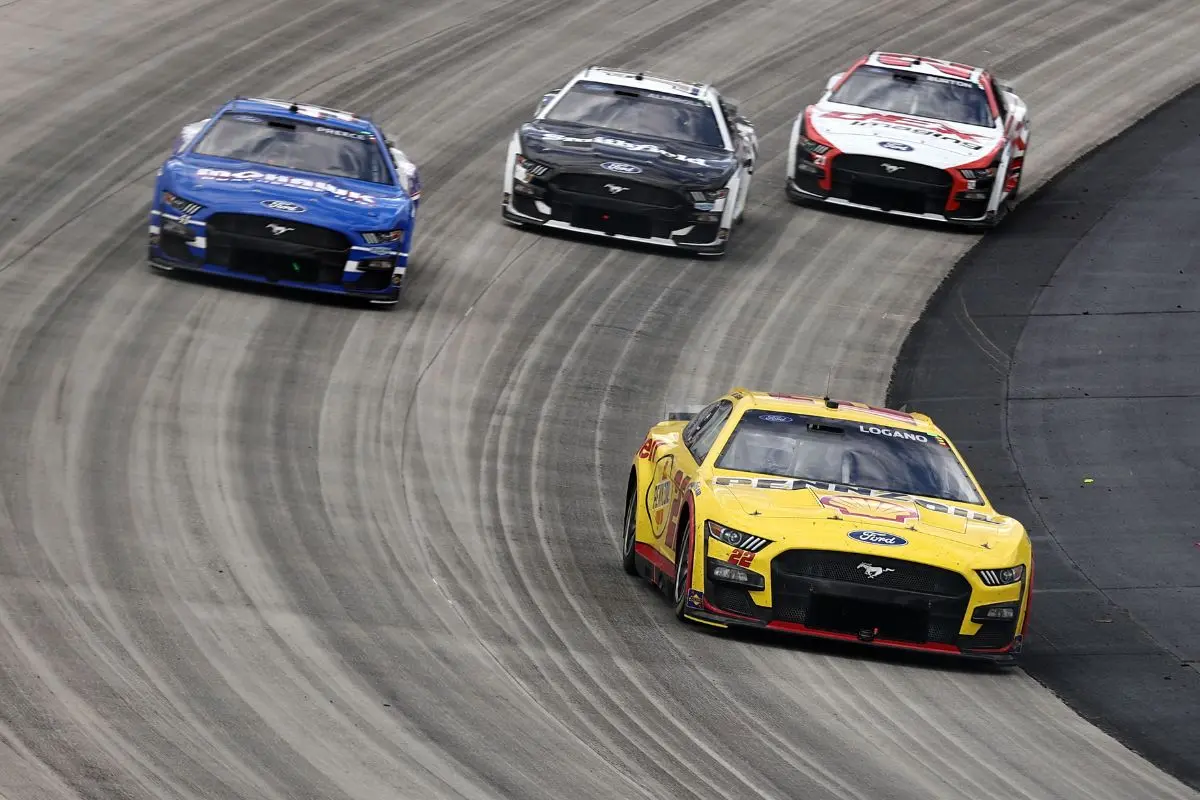
News in Brief: Complicated Life of Older NASCAR Racers
The complexities of aging in NASCAR present challenges and opportunities for drivers. Older drivers face physical and logistical hurdles, yet their experience and wisdom can offer valuable insights. The debate on age continues within the NASCAR community, involving drivers, fans, and industry experts.
While some advocate for the inclusion of veteran drivers through alternative roles or adjusted expectations, others highlight the sport’s evolving demands. Balancing tradition with innovation remains essential as NASCAR navigates the impact of aging drivers.
ALSO READ: Kenny Wallace Points Fingers at His Brother Amid NASCAR’s Refusal of Daytona 500 Entry

