
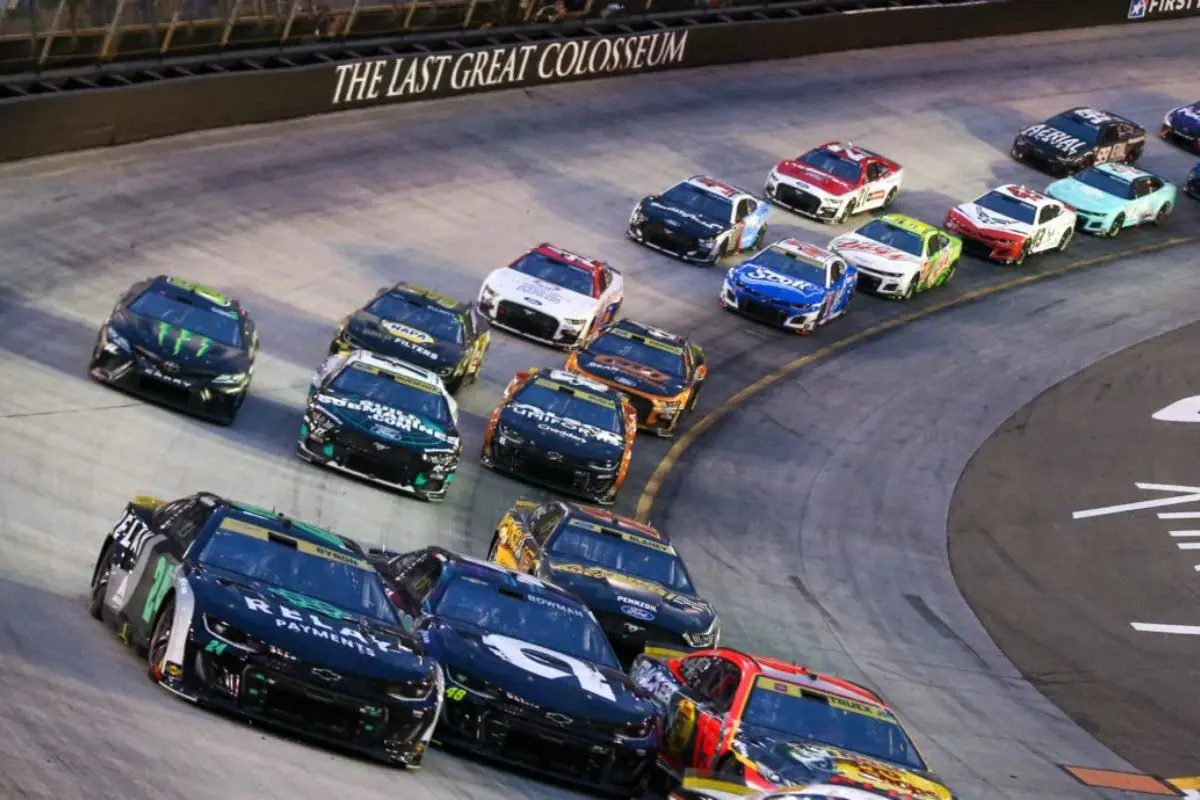
NASCAR’s stage racing strategy has changed the way races are fought from start to finish. This new format keeps fans on the edge of their seats by rewarding drivers not just for winning the race but for their performance in every stage. But how does this strategy impact the championship battle? With every stage offering points, the race could be won or lost at any moment.
Key Highlights
- Stage points and NASCAR playoff points from each race stage significantly impact postseason standings and championship outcomes.
- Teams must strategically balance pursuing stage points with maximizing chances for an overall race victory.
- Tactical decisions on pit stop timing and tire management are crucial in determining race and championship results.
- Accumulating stage points across races is vital for maintaining a competitive edge in the championship standings.
- Coordinated team strategies are essential to capitalize on stage racing dynamics and secure championship success.
The Introduction of Stage Racing in NASCAR
In 2017, NASCAR made a notable alteration to its racing format by introducing stage racing, aiming to improve competitiveness and viewer engagement. This tactical shift involved dividing races into multiple segments, known as stages, to reward drivers for their performance throughout the race, beyond just the final standing. This groundbreaking approach was designed with input from NASCAR officials, teams, drivers, and broadcasters, highlighting a collaborative effort to refine the sport’s competitive nature and improve the viewing experience.
The concept of stage racing fundamentally altered the dynamics of NASCAR events. Races were segmented into stages, each offering points to drivers based on their position at the end of each stage. By doing so, NASCAR sought to create multiple points of interest during a race, allowing for heightened tactical planning and intensifying the competition across the entire event.
Scott Miller, who played a pivotal role in this transformation, articulated the intention behind this format change. He emphasized the desire to generate more impactful moments throughout the race, extending the effect of each event on the complete season.
“We had this idea that was wanted to create more “moments” during the race, with points on the line. Instead of just the checkered-flag moment at the end of the race, we could have several meaningful moments [throughout a race] that were impactful to the whole season.” – Scott Miller
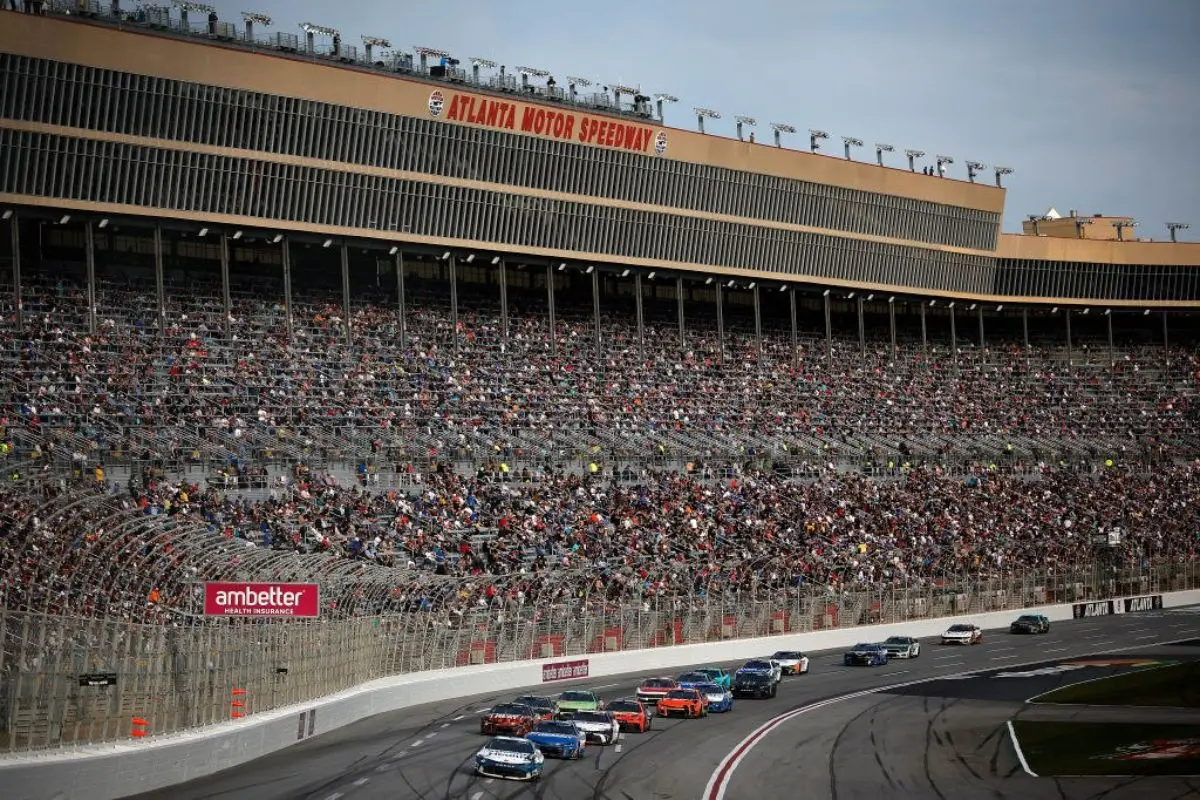
This development marked a departure from the traditional race format, focusing not solely on the checkered flag but on maintaining a consistent performance across the stages. The introduction of stage racing not only encouraged drivers to excel at different points during a race but also added layers of complexity to race strategy.
Consequently, it allowed fans to engage with various facets of the competition, thereby enriching their experience and understanding of the sport.
Goals and Benefits of Stage Racing
Building on the groundbreaking introduction of stage racing in 2017, one must consider the tactical objectives and advantages this format brings to NASCAR. Primarily, stage racing was designed to inject excitement and tactical diversity into races. By segmenting each race into stages, drivers are incentivized to compete aggressively throughout, rather than solely focusing on the concluding laps. This approach guarantees that every segment holds importance, as drivers earn points at the completion of the initial and subsequent stages. The stage winner receives an extra NASCAR playoff point, influencing their season-long championship standings and creating a dynamic points system that rewards consistency and skill across multiple race phases.
Moreover, stage racing offers considerable benefits to broadcasters and viewers alike. Historically, live television coverage was plagued by interruptions due to commercials, often resulting in viewers missing vital race developments. The inclusion of stage breaks allows broadcasters to thoughtfully schedule commercial breaks during caution periods, thereby minimizing disruption to the viewing experience. This structured approach improves audience engagement by guaranteeing viewers witness key race moments uninterrupted, which is essential for maintaining interest and driving viewership.
Furthermore, the tactical implications for teams and drivers are substantial. Teams must now adapt their strategies to optimize performance across all stages, balancing the pursuit of stage points with the overarching goal of race victory. This necessitates a recalibration of pit stop strategies, fuel management, and tire usage, as teams work to amplify their competitive edge.

How NASCAR Stages Work
While the concept of stage racing might seem complex to newcomers, its structure is straightforward and purposefully designed to improve the sport’s competitive nature. NASCAR races are systematically divided into three or four stages, with this division dependent on the race’s general length. Such segmentation is employed to boost excitement and tactical depth, guaranteeing that the competition remains intense throughout the event.
In most standard races, the primary two stages provide drivers with the opportunity to earn points, with the top 10 performers in each stage receiving stage points. The driver finishing first in a stage is awarded a playoff point, which becomes vital in the championship race, offering an incentive for consistent high performance.
The race’s concluding stage, however, is decisive in determining the race winner, making it the focal point of the competition. Longer events, such as the iconic Daytona 500, include an extra fourth stage. The lengths of these stages are carefully predetermined and documented within NASCAR’s official rulebook before the season commences.
These predetermined lengths are thoughtfully calculated to guarantee drivers must engage in at least one mandatory pit stop for refueling, adding another layer of planning to the race. Teams must judiciously plan the timing of their pit stops during each stage, balancing the necessity for fuel and fresh tires with the imperative to maintain a competitive position on the track.
Strategic Balancing Act in Stage Racing
The tactical intricacies of stage racing demand a nuanced approach from drivers and teams alike. With NASCAR’s stage racing format, drivers must adeptly balance the pursuit of stage points with the overarching objective of winning the race. This balancing act requires tactical decisions concerning tire management and pit stop timing, which can greatly influence the outcome of the race.
During the initial stages, competitors earn valuable points that contribute to their season totals, underscoring the importance of consistent performances. For instance, securing a top-10 finish in a stage through tactical tire management can provide essential points, yet it might compromise a driver’s performance in the final stage due to tire degradation. This delicate balance exemplifies the tactical complexity inherent in stage racing.
Moreover, teams must evaluate whether to pit before a stage concludes to gain advantageous track position or remain on the track to amass stage points. This decision is crucial, as the accumulation of stage points can impact a driver’s postseason standings, highlighting the intricate calculus involved in every race.
In this environment, the role of a team’s decision-making processes becomes paramount. The tactical balancing act in stage racing not only affects individual race outcomes but also has extensive implications throughout the season.
Even a single NASCAR playoff point can prove decisive, making each stage a vital component of a driver’s championship aspirations. Therefore, the ability to execute a well-coordinated strategy underpins success in NASCAR’s contemporary racing landscape, where championships often hang by a thread.

News in Brief: NASCAR’s Stage Racing Strategy
The introduction of stage racing in NASCAR has fundamentally altered the competitive landscape, emphasizing tactical decision-making and creating a dynamic viewing experience. By segmenting races into distinct stages, the system incentivizes consistent performance and tactical ingenuity.
This approach guarantees that championships are perpetually contested, as teams must adeptly manage resources and plans throughout the season. Ultimately, stage racing improves the sport’s unpredictability, cultivating a heightened level of engagement and maintaining the suspense of championship outcomes until the final moments.
ALSO READ: Spire Motorsports Takes the Next Step in 2025: What’s Coming for the Team at Daytona?

