Kyle Busch’s unexpected rain delay ritual at Daytona 500 was something no one saw coming. While other drivers waited, Busch took a different approach that mixed relaxation and focus in a way rarely seen. The Daytona 500 is known for its unpredictability, but Busch’s method nearly turned a delay into an advantage. What exactly did he do during those long hours? And how close was he to making it all pay off?
Key Takeaways
- Kyle Busch utilized napping during the rain delay to recharge energy for the race ahead.
- Spending time with his pet dog provided emotional support during the lengthy weather interruption.
- Engaging in leisure activities helped Busch maintain focus and stay relaxed despite the delay.
- Busch’s race strategy post-delay showcased his adaptability and ability to navigate through the field effectively.
- Despite a strong performance, a multi-car crash disrupted his race, highlighting the unpredictability of motorsport.
Rain Strikes Again at Daytona 500
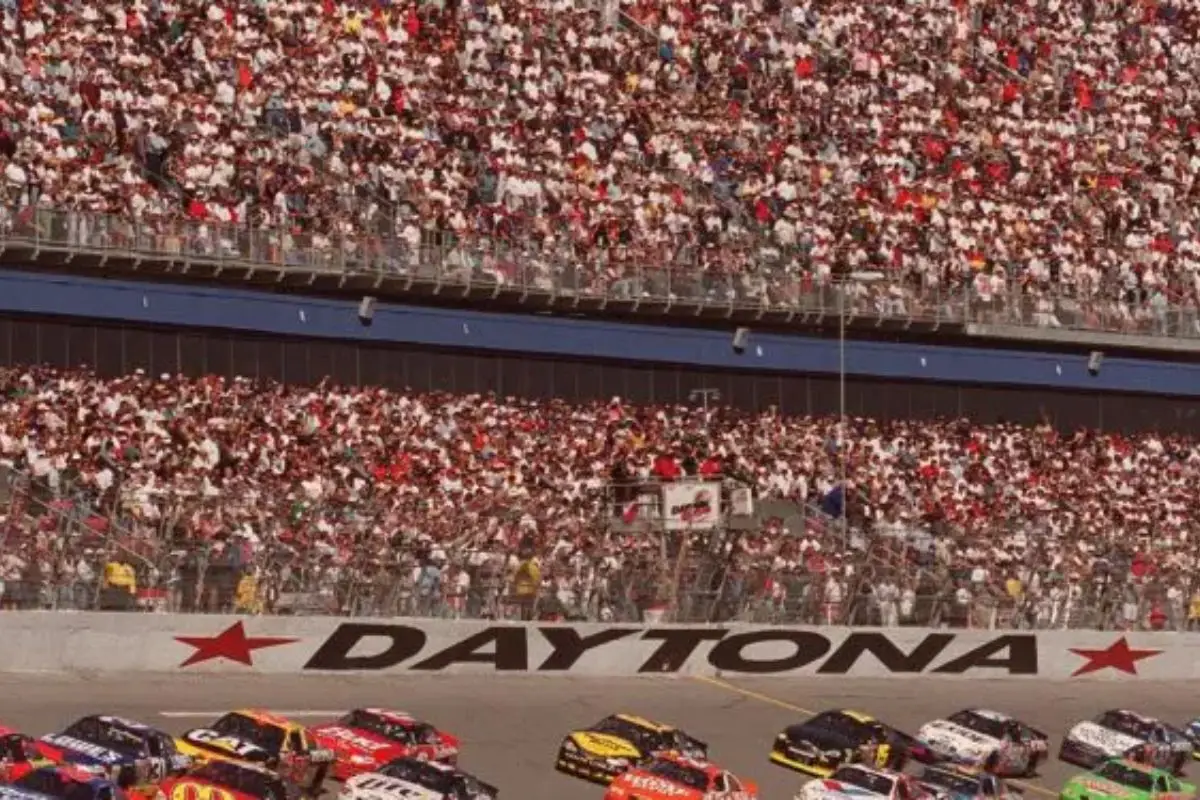
As the Daytona 500 unfolded in 2025, rain reared its head once again, illustrating the event’s notorious vulnerability to inclement weather. Following just 11 laps, persistent rain prompted officials to red-flag the race, leading to an extensive four-hour delay.
This interruption not only highlighted the critical weather impact on race dynamics but also greatly challenged the rain strategy employed by teams and drivers. With stock cars lacking treaded tires, the decision to pause was rooted in safety concerns, as maneuvering through wet conditions would prove perilous.
The delay disrupted the carefully crafted momentum for many competitors, forcing them to recalibrate their approaches and tactics. Ultimately, the rain’s interference served as a glaring reminder of the unpredictable nature inherent in motorsport.

Kyle Busch’s Rain Delay Routine
While rain delays can disrupt the rhythm of a race, they also offer drivers an unexpected opportunity to recharge, as demonstrated by Kyle Busch’s approach during the Daytona 500 in 2025.
During this unexpected downtime, Busch utilized the time to catch up on rest, sharing an endearing moment captured by his wife, Samantha. The image featured Busch napping on the floor with their pet dog, emphasizing the importance of mental and physical recuperation.
“Back to racing. Good thing he got a nap in during the rain delay.” – (Samantha)
Science Behind NASCAR’s Track Drying Process
NASCAR’s track drying process is a critical aspect of race management, particularly during rain delays, where efficiency and effectiveness can greatly influence the outcome of events like the Daytona 500.
Since 2013, NASCAR has shifted from traditional jet dryers to the more advanced Air Titans, which utilize high-powered air-compression systems to facilitate moisture removal from the track surface. These systems are mounted on trucks and blow water off the asphalt, while accompanying vacuum sweepers eliminate any remaining moisture.
The time required for track drying varies based on track size, humidity, and wind conditions. At Daytona International Speedway, the 2.5-mile track typically necessitates 90 to 150 minutes for effective drying, although ideal conditions can reduce this duration to approximately one hour.
“The air from the blower goes through a series of hoses, and it comes down on an air knife that you see pulled along behind the truck. In a sense, it’s a squeegee, but it’s of air. So, if you think of folks squeegeeing water off a window or things like that, it’s the same effect. We just use it with air.” – (Thomas Davenport, Manager of Track Services for NASCAR)
Back on Track—Busch’s Late-Race Charge Ends in Heartbreak
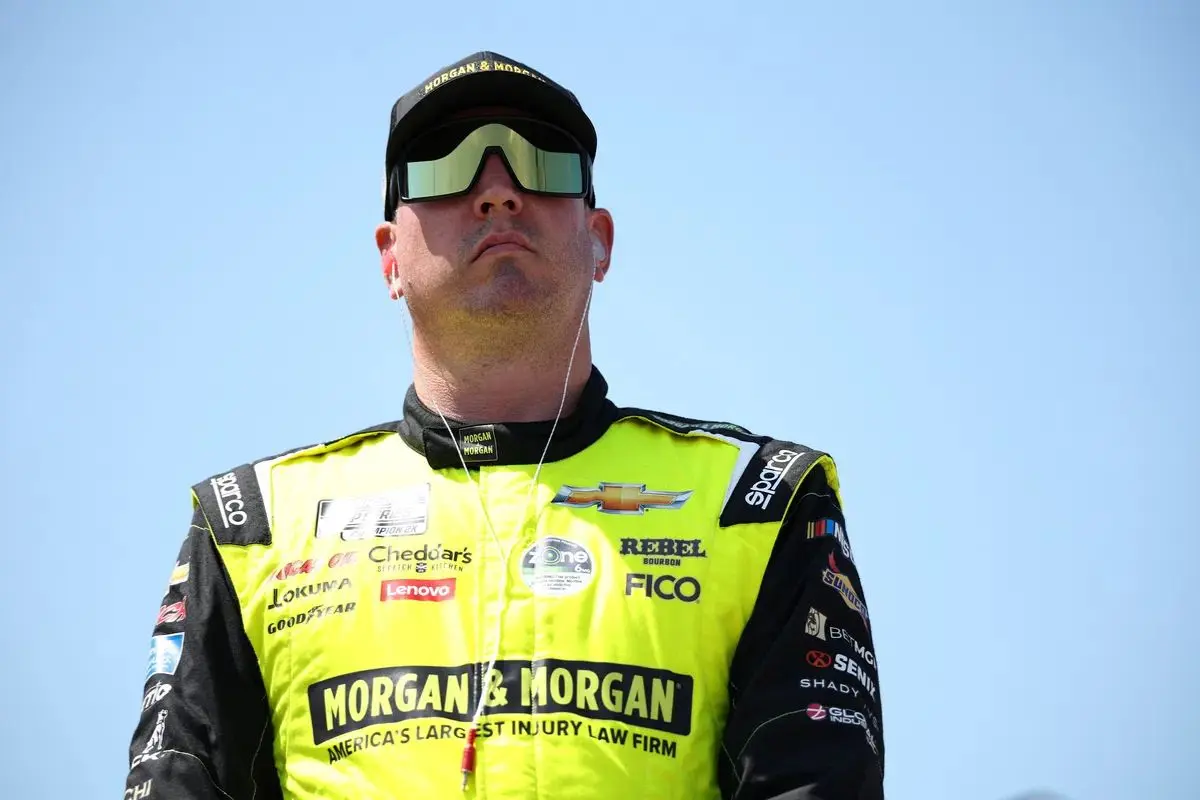
Emerging from the rain delay with renewed vigor, Kyle Busch quickly positioned himself as a powerful contender in the final stage of the Daytona 500.
Employing astute late race strategies, he navigated skillfully through the field, demonstrating speed and composure while running in the top five.
However, the race took a dramatic turn when a multi-car crash, instigated by Joey Logano and Ricky Stenhouse Jr., unfolded in front of him. The intricate crash dynamics ensnared Busch, abruptly halting his quest for victory and forcing an early exit.
Takeaways from a Rainy Daytona 500
The unpredictability of racing, particularly apparent during the rain-affected Daytona 500, highlights the resilience and adaptability required from drivers like Kyle Busch.
Despite the challenges posed by weather-related disruptions, Busch illustrated commendable race preparation and strong pace, positioning himself as a formidable rival.
Busch demonstrated impressive race preparation and speed, establishing himself as a formidable competitor despite weather challenges.
The event emphasized the necessity of effective weather strategies, as NASCAR’s advanced track-drying technology played a vital role in completing the race.
While Busch’s day ended in disappointment following a late crash, his performance served as a reminder that every race offers valuable insights.
News in Brief: Kyle Busch’s Unexpected Rain Delay Ritual
Kyle Busch’s unique approach to managing rain delays at the Daytona 500 highlights the psychological and tactical aspects of racing under unpredictable conditions. While his routine, which included rest and companionship, provided a brief respite, the complexities of NASCAR’s track drying process ultimately dictated the race’s outcome.
Busch’s valiant late-race effort, despite ending in disappointment, emphasizes the unpredictable nature of motorsport, where preparation and adaptability are essential yet often thwarted by external factors like weather.
ALSO READ: NASCAR World Unites Behind Kyle Busch as Daytona 500 Hopes Reach a Fever Pitch