
Key Highlights
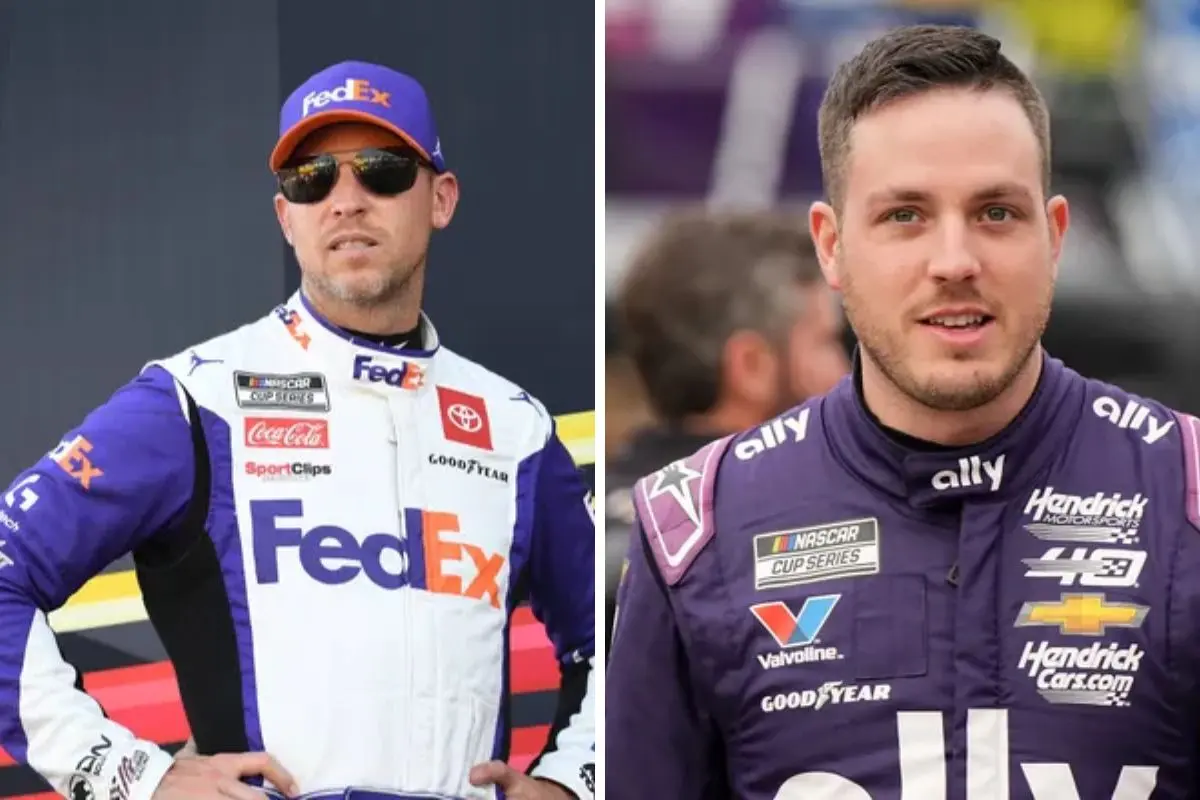
- Denny Hamlin criticized Alex Bowman for giving Aric Almirola too much space during the overtime finish.
- Hamlin believed Bowman’s decisions placed him in a suboptimal position on the track.
- The overtime finish was controversial due to aggressive moves and a collision.
- Hamlin expressed frustration over Almirola’s aggressive exit in the final corner.
- Hamlin emphasized the importance of strategic decision-making in critical race moments.
Christopher Bell’s Victory at Phoenix
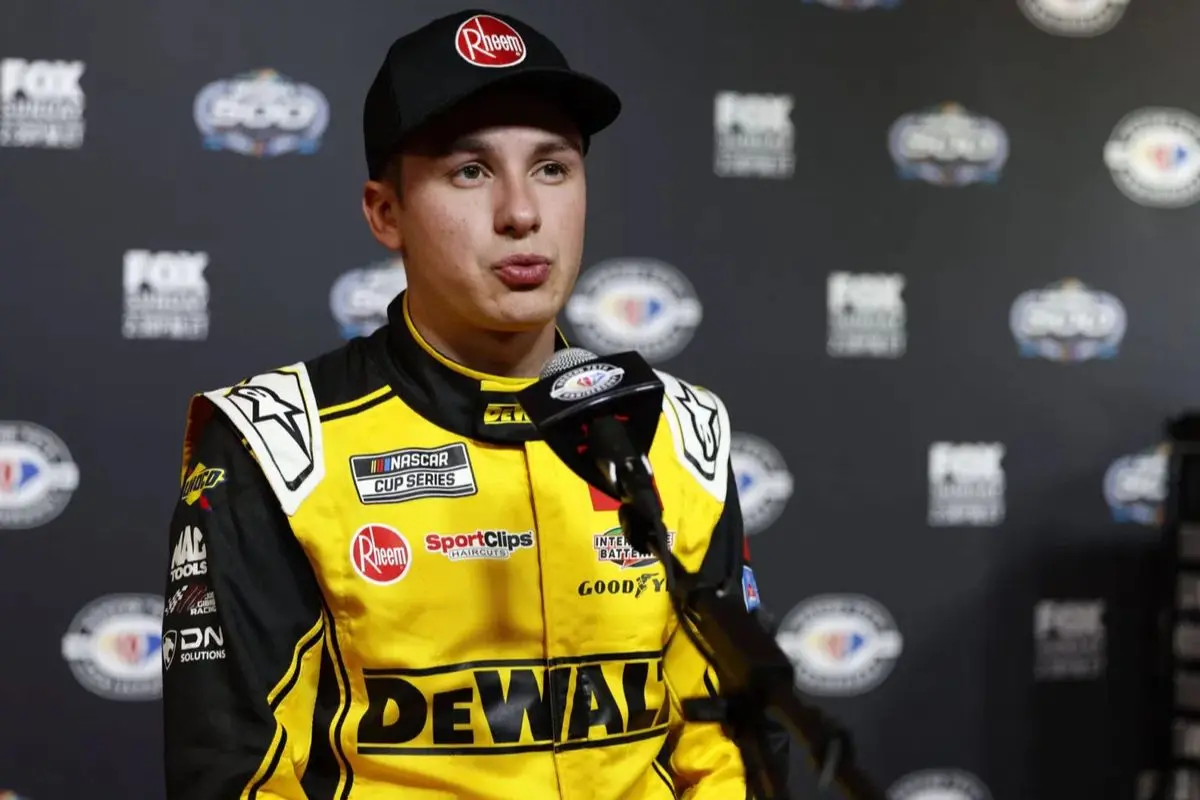
Christopher Bell’s victory at Phoenix was a demonstration of both his skill and the tactical insight of his team.
At the Shriners Children’s 500, Bell showcased mastery over the field, decisively maneuvering the No. 20 car despite intense competition. While others relied heavily on the option tire to gain an edge, Bell’s team executed a flawless plan that kept him at the forefront.
The race culminated in an exciting finish, with Bell fending off formidable competitors, including teammate Denny Hamlin and the relentless Kyle Larson. In the final laps, Hamlin, positioned on the outside, and Larson, applying pressure from behind, tested Bell’s resolve.
However, Bell’s adept high-line driving and calm under pressure secured his triumph by a mere 0.049 moments. This narrow margin highlighted an exceptional blend of tactical foresight and on-track skill, affirming Bell’s status as a formidable force in the racing domain.
NASCAR Xfinity Series Controversial Finish
In a race marked by unexpected turns and tactical maneuvers, the Xfinity Series at Phoenix wrapped up with a finish that left fans and drivers alike in heated debate.
The race’s dramatic culmination unfolded as Justin Allgaier appeared poised for victory with a commanding lead, only to have his hopes dashed by a late caution with four laps remaining. This vital moment set the stage for an overtime finish, where Aric Almirola, driving the No. 19 car, made an aggressive move, allowing Alex Bowman to momentarily seize the lead.
As Bowman took the white flag, the competition intensified when Almirola swiftly maneuvered inside, colliding with the No. 15 car and propelling it into the wall.
This controversial sequence highlighted the unpredictability of racing, where tactical decisions and split-second actions often determine the outcome. Such a thrilling finish not only tested the drivers’ skills but also sparked widespread discussions on racing strategy and sportsmanship.
Denny Hamlin’s Perspective on the Overtime Finish
As the dust settled on the controversial overtime finish of the Xfinity Series race, Denny Hamlin offered a detailed analysis of the decisions made by key drivers, particularly focusing on Alex Bowman’s approach. Hamlin noted that Bowman allowed Aric ample room, creating a situation where Bowman might have inadvertently facilitated Aric’s maneuver.
“I watched the Xfinity race, Alex gave Aric 2-3 car widths like, ‘I’m giving you room to race. Let’s try to do this as fairly as possible.’ It cost him, I think he just gave Aric too big of a window, and he gave him an out to do what he did. Not that I’m saying it’s wrong, right or whatever. In the Xfinity race, Alex should have just ran the bottom and forced Aric to knock him out of the way. That would have, you gave him an opportunity to do it somewhat cleanish.” – Denny Hamlin
Analyzing the dynamics, Hamlin suggested that Bowman could have opted for a more aggressive stance by running the bottom line, effectively forcing Aric to engage in a less straightforward pass.
Hamlin highlighted the complexities of the track, emphasizing the tactical challenges posed by its width and the presence of marbles that could hinder driver’s control. He concluded that Bowman’s decision-making, while fair, inadvertently placed him in a suboptimal position, allowing Aric to take advantage effectively.

Denny Hamlin’s Frustration Over the Finish
Denny Hamlin’s analysis of the race’s closing moments naturally extended to his own frustrations with the finish, where he found himself on the receiving end of a competitive maneuver that did not sit well with him.
“When you’re in there side-by-side and you enter side-by-side. This race track is plenty wide, but if the bottom guy wants to wash you up into the marbles, there’s not much you can do about it. It won’t even look egregious, but you can only run so wide on the exit of these corners because of how the marbles are. I was just in a horrible leverage spot, he took advantage.” – Denny Hamlin
Despite giving Aric Almirola the necessary space during the pivotal final corner, Hamlin expressed discontent over Almirola’s aggressive exit, which seemed to disregard his presence. This lack of spatial awareness or consideration resulted in Hamlin being squeezed out, an outcome he found disheartening yet characteristic of high-stakes racing.
I would’ve hoped that he would’ve given me a lane on exit but he just exited like I wasn’t there. I figured my best bet was going to the outside there trying to get off the corner. And there was no lane there anymore. Bummer but you’ll have that in big-time auto racing.” – Denny Hamlin
Hamlin’s dissatisfaction was further compounded by his own tactical choice to aim for the outside line, a decision that proved ineffective when the anticipated lane disappeared.
This incident highlights the complex dynamics drivers face, balancing strategic insight with real-time decisions as they navigate the unpredictable nature of competitive racing. Such instances emphasize the intricate interplay of strategy and execution that defines the sport, often yielding mixed results.
Denny Hamlin’s Plan for Future Races
Strategizing for future races, Hamlin’s approach has evolved as a direct response to the challenges he faced in recent competitions, particularly those involving high-pressure maneuvers in the closing laps.
Reflecting on past experiences, Hamlin recognizes the importance of track position, especially when confronted with the option to navigate inside lanes. He has devised a plan to improve his decision-making in similar scenarios, aiming to optimize his performance by adjusting his tactics.
Key elements of Hamlin’s plan include:
- Prioritizing track position: Recognizing the advantages of maintaining an inside lane to secure a competitive edge.
- Improved situational awareness: Evaluating the broader race picture to avoid compromising positions in critical moments.
- Strategic adaptability: Adjusting tactics mid-race to capitalize on opportunities, ensuring the best possible outcome.
With traditional oval tracks on the horizon and a winless streak to break, Hamlin is poised to apply these insights, hoping to recalibrate his racing strategy effectively.

News in Brief: Denny Hamlin Blames Alex Bowman for Costly Mistake
In the aftermath of the contentious Xfinity Series finish, Denny Hamlin’s critique of Alex Bowman emphasizes the intense tactical complexities inherent in professional racing. Hamlin’s frustration highlights the high stakes involved, as drivers navigate split-second decisions that can alter outcomes dramatically.
While Christopher Bell ultimately claimed victory, the incident serves as a reminder of the unpredictable nature of the sport. As Hamlin plans for future races, the focus remains on refining plans to mitigate such costly errors.
ALSO READ: Denny Hamlin Dismisses Christopher Bell’s Hot Streak as Pure Luck in Blunt Podcast Rant

