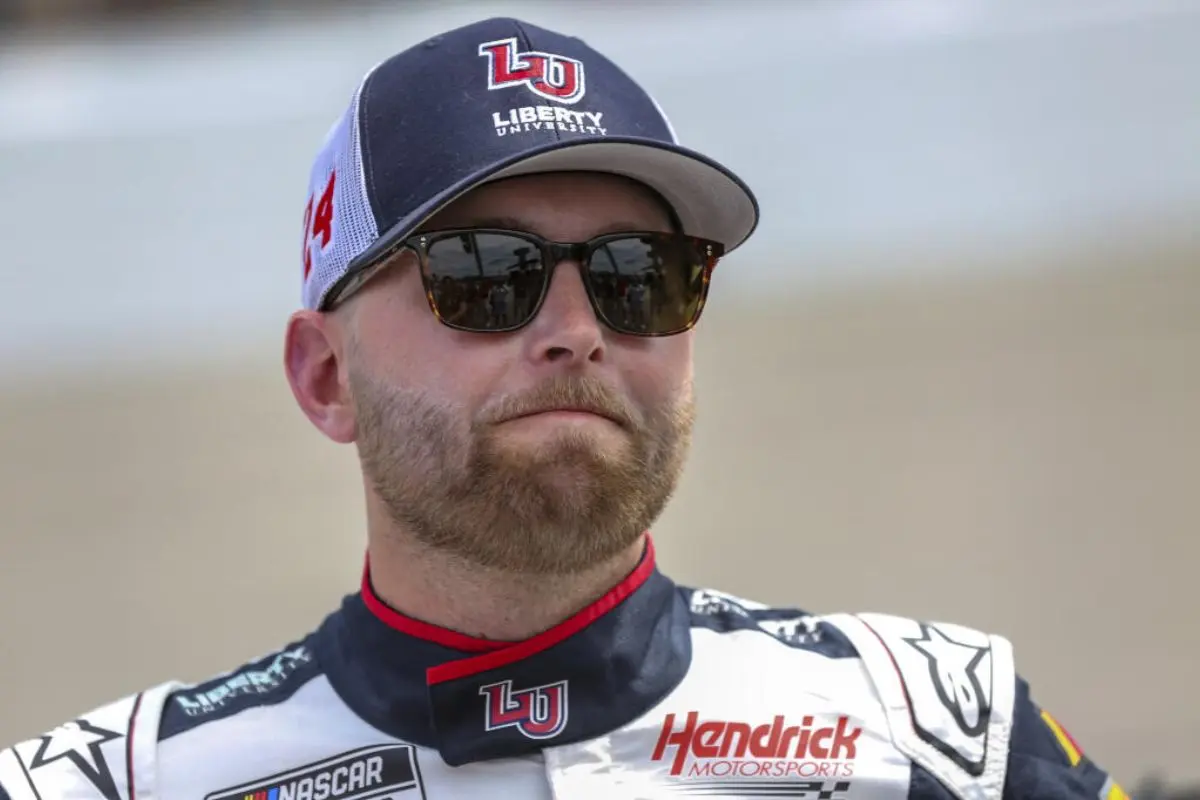
William Byron embraces Homestead-Miami Speedway’s wild side, describing the track as NASCAR’s ultimate playground for fearless drivers. With its sharp banking and daring challenges, this venue encourages competitors to take risks. William Byron sees it as the perfect stage for pushing boundaries, far from the pressures of playoff racing. But could this bold shift signal a new chapter in NASCAR’s future? What does this mean for the sport’s most iconic race venues?
Key Highlights
- William Byron advocates for Homestead as a venue for audacious racing and bold maneuvers.
- Homestead’s banking design encourages drivers to push limits and showcase skillful driving.
- Byron envisions shifting Homestead races to spring to reduce championship pressures.
- The proposed changes aim to create more thrilling races by emphasizing risk-taking over conservative strategies.
- Byron’s support aligns with a broader effort to redefine Homestead’s identity in NASCAR.
The Legacy of Homestead-Miami Speedway
When Homestead-Miami Speedway roared to life in 1999 with Tony Stewart’s unforgettable victory, it was as if the racing gods had anointed it as hallowed ground for NASCAR greatness.
Stewart’s triumph was the spark that ignited a legacy, one steeped in high-octane drama and fierce competition. Over the years, this track has been the stage for countless championship-deciding battles, including Jeff Gordon’s 2011 duel and Kyle Busch’s 2015 comeback, each event adding layers to its storied history.
Yet, in 2020, NASCAR made the controversial decision to relocate its season finale to Phoenix. Fans erupted on social media, decrying what they perceived as an unjust demotion of their beloved track.

For many, Homestead was more than a venue; it was a cathedral of speed and strategy, its prestige woven into the very fabric of NASCAR’s narrative. The echoes of engines past still resonate, a proof of its enduring legacy.
William Byron and Ryan Blaney’s Fresh Perspective
In the vibrant landscape of NASCAR, few drivers have captured the spotlight quite like William Byron and Ryan Blaney, two young titans with a fresh, compelling vision for the sport’s future.
Byron, with his stunning 2024 Daytona 500 victory, and Blaney, fresh off a championship win in Phoenix, are reshaping the narrative. They argue that relocating Homestead to the regular season invigorates the racing spirit, allowing for audacious maneuvers and heart-stopping moments.
Consider their insights:
- Byron’s track record speaks volumes: his aggressive style thrives in less pressured scenarios.
- Blaney’s Homestead familiarity: a playground where his skills shine without playoff constraints.
- Their shared vision: bold racing over conservative strategies.
- Playoff pressure impact: often, it stifles creativity and risk-taking.
Together, they champion a paradigm shift, pushing for a NASCAR that celebrates daring over caution, passion over predictability.
“I’m actually glad to see this race move to the spring for the fact that I feel like we can hang it out more.” – William Byron

Homestead’s New Identity: A Playground for Risk-Takers
William Byron and Ryan Blaney’s bold vision for a reimagined Homestead stands as an exhilarating demonstration of the sport’s evolution.
View this post on Instagram
They propose shifting the race to spring, where drivers feel the adrenaline without championship pressures. This transformation morphs Homestead into a haven for audacious maneuvers, inviting daredevils to dance along its sharply banked curves.
Byron believes this timing encourages drivers to release their full potential, turning every race into a heart-pounding spectacle. He imagines cars flirting with the track’s edges, wall-riding with reckless precision.
“Hey, I’m willing to hang it out here and run against the wall for a longer period of time or take a bigger chance. Because if I hit the wall or something happens, in the grand scheme of things, I’m not really out a little bit.” – William Byron
Blaney shares this enthusiasm, convinced that such a shift could infuse races with electrifying excitement.
The track’s 18-20 degree banking beckons risk-takers to test their mettle.
Certainly, Homestead is becoming a theater where bravery and skill collide in a dramatic symphony. Racing here is not just about winning; it’s about pushing boundaries, where every lap tells a story of audacity and flair.
The Phoenix Debate and What It Means for NASCAR’s Future
Though the engines roar with equal intensity at both tracks, the debate over whether Homestead or Phoenix should host NASCAR’s grand finale ignites fiery passions among fans. The frustration is tangible, with a Reddit user lamenting the decision as a “f***ing shame.” This emotional outcry highlights the deep divide.
Is it the tactical finesse required for Phoenix’s tight corners or the thrilling speed of Homestead’s wide layout that deserves the spotlight?
- Fan Sentiment: Many fans yearn for the exhilarating dimensions of Homestead’s high-speed races.
- Track Dynamics: Phoenix offers tactical battles, while Homestead welcomes raw horsepower.
- History’s Charm: Phoenix’s quirky past includes ostrich races; Homestead rose from hurricane ruins.
- Future Implications: This decision could reshape fan opinions heading into 2025.
William Byron remains neutral, appreciating each track’s unique strengths.
As NASCAR marches forward, the question looms: which track will define the sport’s ultimate contest?
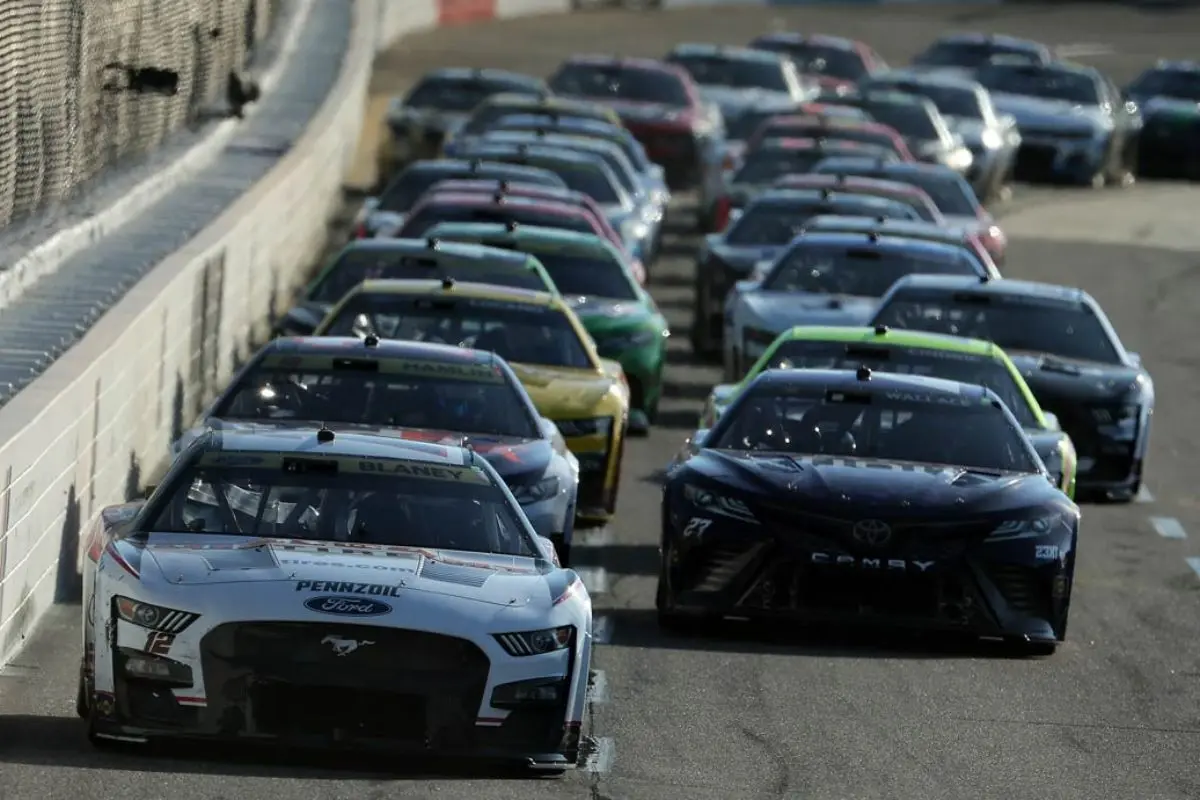
News in Brief: William Byron Embraces Homestead
As the sun sets over Homestead-Miami Speedway, it stands as NASCAR’s exciting new frontier, inviting fearless drivers like William Byron and Ryan Blaney to redefine their limits. This daring playground, with its wild curves and high-stakes drama, challenges racers to welcome risk and reward with every lap.
In the midst of the roaring engines and cheering fans, Homestead emerges as the heart of NASCAR’s future—dynamic, unpredictable, and stimulating—a demonstration of the sport’s constantly changing spirit.
ALSO READ: William Byron’s Tire Test at Charlotte Could Finally Help Him Conquer Homestead’s Challenges