Digital risks are rising for NASCAR’s female stars. Kaylee Bryson faces impersonators spreading false claims. Jade Avedisian, despite her racing success, deals with repeated online harassment. These cases point to deeper challenges linked to digital exposure in motorsports. As social media grows as a racing tool, its impact is proving complex and personal. With concerns voiced by veterans like Kevin Harvick, the sport stands at a difficult crossroads.
Key Highlights
- Kaylee Bryson faces social media impersonators, leading to false relationship claims and sponsorship disruptions.
- Jade Avedisian experiences harassment and impersonation despite her achievements in racing.
- Female NASCAR athletes encounter online vulnerabilities, including identity theft and privacy invasions.
- Social media serves as both a career platform and a source of personal security threats for female drivers.
- Privacy concerns and digital harassment highlight challenges for female athletes managing public personas online.
Kyle Busch’s Social Media Comment and NASCAR’s Growing Popularity
While the online era offers numerous platforms for engagement, it also brings with it a complex environment, as expressed by Kyle Busch’s frank remark, “I hate social media.”
Despite Busch’s sentiments, NASCAR has strategically harnessed the power of social media to improve its status and reach, achieving a notable 12% increase in followers over the 2024 season. This tactical navigation extends beyond mere numbers; it involves calculated use of trendy Instagram reels and influencer collaborations, which have effectively broadened NASCAR’s appeal.
Yet, amidst the successes, the digital domain is fraught with challenges, particularly the potential for reputational damage. Instances like Noah Gragson’s dismissal in 2023 for a controversial social media interaction highlight the precarious nature of online engagement.
As NASCAR navigates this dual-edged sword, its increasing popularity in cyberspace demands acute awareness of both opportunities and pitfalls inherent in the online environment.

Increased Fan Invasion into Drivers’ Lives
In the increasingly interconnected universe of social media, the boundary between public personas and private lives is becoming alarmingly thin for NASCAR drivers. This erosion of privacy is not merely an abstract concern but a tangible reality faced by drivers working to balance their professional and personal lives.
The demands of celebrity life already necessitate drivers to engage extensively with the public through interviews, fan interactions, and promotional activities. Yet, social media intensifies this exposure, allowing fans unprecedented access to drivers’ lives beyond the racetrack.
The filming of the Netflix documentary ‘NASCAR: Full Speed’ further highlighted this intrusion. Joey Logano openly expressed discomfort at the invasion of his family space, emphasizing concerns about privacy and safety.
Kaylee Bryson’s Experience with Social Media Impersonators
Despite her achievements on the racetrack, Kaylee Bryson faces a unique set of challenges off it, particularly in the relentless world of social media. The pioneering NASCAR driver, known for her historic USAC National Series win, frequently encounters impersonators who exploit her identity, creating chaos in her professional and personal life.
Recently, Bryson shared her ordeal on X, revealing how an imposter fabricated a relationship with an individual, leading to accusations from the person’s spouse. This isn’t an isolated incident. In another unsettling encounter, a man, deceived by a fake account, contacted one of Bryson’s sponsors, convinced he was in a relationship with her.
“Please be aware of scammers…This is a common occurrence where people think they are in a relationship with me because they are getting scammed by someone that has made a fake account pretending to be me.” – Kaylee Bryson
Please be aware of scammers…
This is a common occurrence where people think they are in a relationship with me because they are getting scammed by someone that has made a fake account pretending to be me. pic.twitter.com/VDqqnwe6cK— Kaylee Bryson (@kaylee11b) April 9, 2025
Bryson’s experiences highlight the darker side of digital fame, where imposters manipulate unsuspecting fans, damaging reputations and relationships. Her frank warnings on social media serve as a reminder of the ongoing battle against online scams targeting public figures.
“Also I had a random guy I’ve never met call one of my SPONSORS because he was mad and thought we were in a relationship… Turns out he was talking to a fake account and didn’t want to believe it.. 😳” – Kaylee Bryson
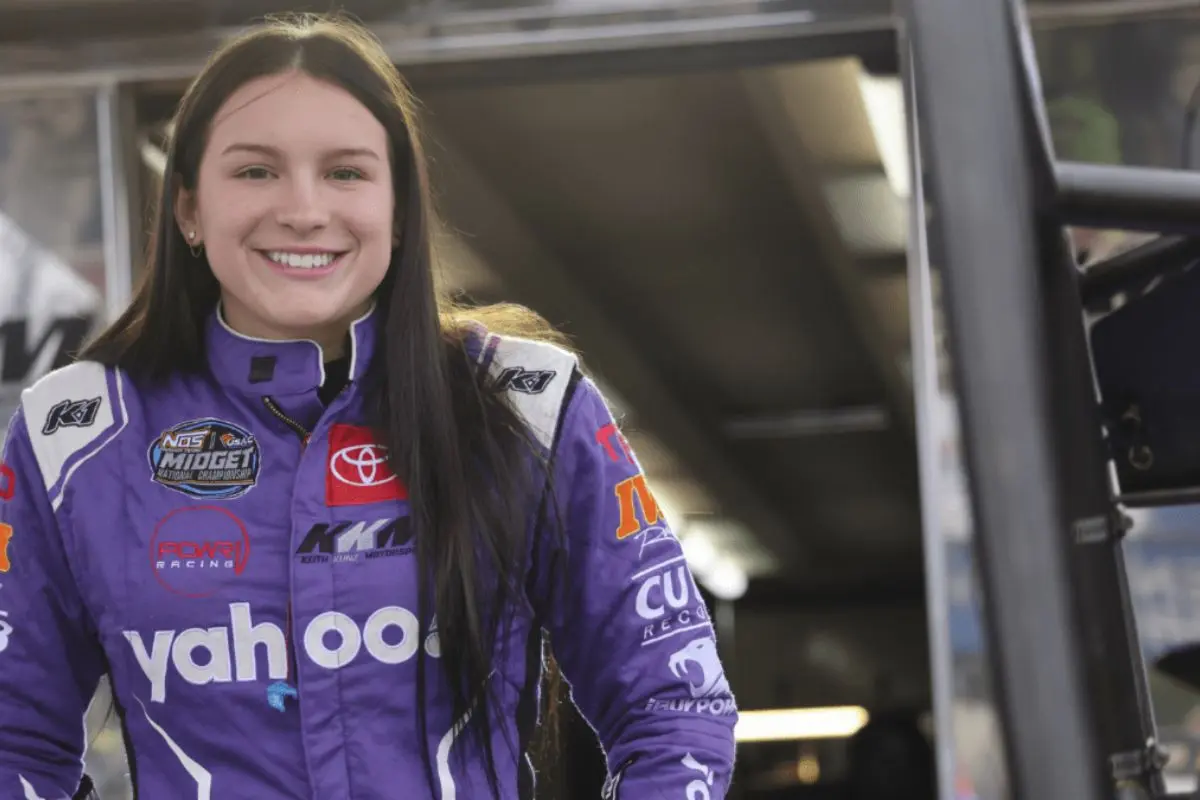
Jade Avedisian’s Similar Experience and Social Media Origins
Kaylee Bryson’s encounters with social media impersonators highlight the precarious nature of digital fame, a challenge not unique to her alone.
Jade Avedisian, a burgeoning NASCAR talent, also grapples with the darker side of digital exposure. Avedisian recently shared her own unsettling experiences, succinctly capturing her frustration with a simple, emotive comment: “It’s bad😭🤦🏻♀️”. This frank admission emphasizes the pervasive harassment female athletes face online, irrespective of their achievements.
Avedisian’s skill on the racetrack is undeniable, marking her historic victory as the initial woman to win a CARS Tour race at New River All-American Speedway.
Her racing expedition, intriguingly, owes its beginnings to social media, which paradoxically also serves as a platform for unwanted interactions. The duality of social media’s role in her career emphasizes a troubling reality: while it can launch careers to new heights, it simultaneously exposes individuals to unprecedented vulnerabilities.
Kevin Harvick and Other Drivers’ Views on Social Media
While the lure of social media as a tool for self-promotion and fan engagement is undeniable, NASCAR drivers like Kevin Harvick view it with a healthy dose of skepticism.
Harvick, a 2014 NASCAR Cup Series champion, articulates social media as a “necessary evil,” keeping his son Keelan away from online exposure, despite the boy’s racing pursuits in Europe. This sentiment resonates with fellow drivers Kyle Busch and Brad Keselowski, who also restrict their children’s social media interaction.
“Social media is a necessary evil, unfortunately.” – Kevin Harvick

News in Brief: NASCAR Female Drivers Social Media Challenges
As NASCAR’s popularity surges, the darker side of social media emerges, with female drivers like Kaylee Bryson and Jade Avedisian facing unsettling invasions of privacy from impersonators. These incidents highlight the urgent need for stronger protections and awareness within the online environment. While seasoned drivers like Kevin Harvick voice concerns, the narrative emphasizes a critical turning point where NASCAR must address these challenges, ensuring a safer, more respectful atmosphere for its stars amid growing fan engagement.
ALSO READ: NASCAR’s Throwback Weekend: Is Nostalgia Losing the Race to Sponsorships?