
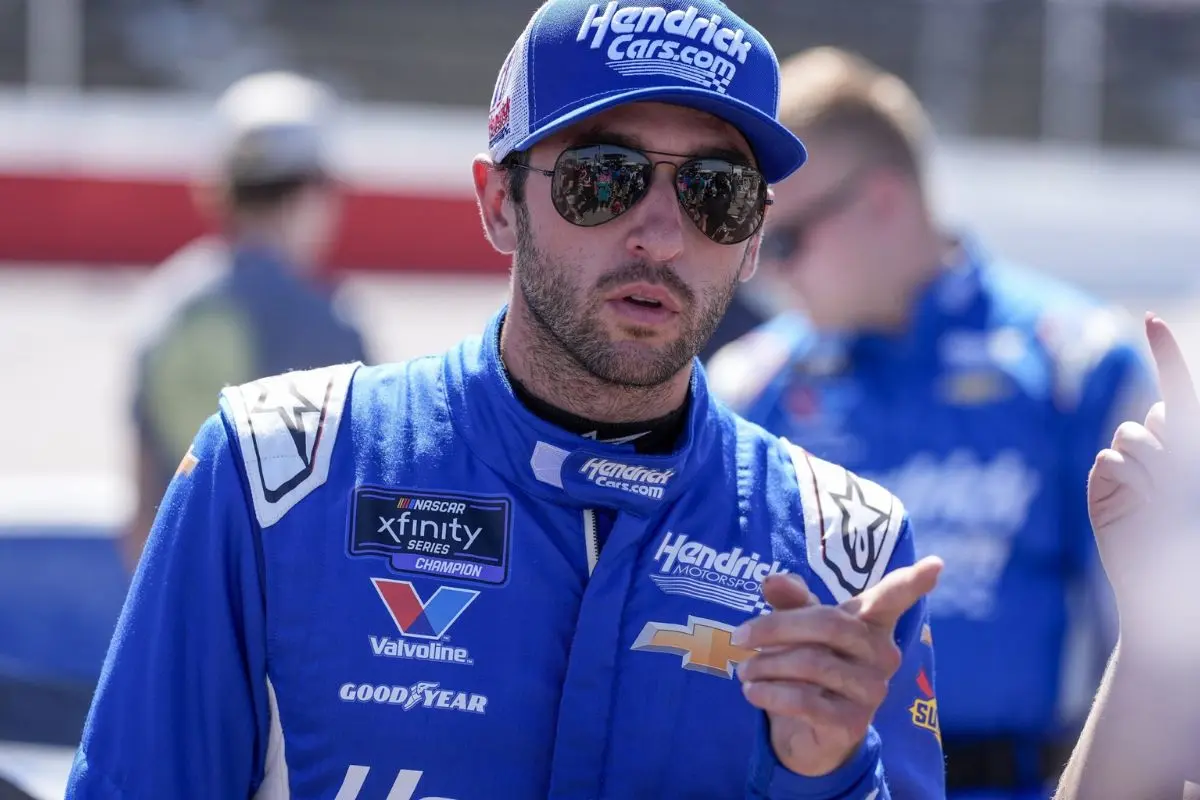
Chase Elliott has voiced concerns about the risks of car flips in NASCAR’s NextGen era, specifically the role of the car’s flat underwing design. This design has led to higher aerodynamic challenges, increasing the chances of flips during high-speed races. With recent incidents like Ryan Preece’s Daytona crash and Corey LaJoie’s Talladega flip, Elliott urges for improvements to safety features. As the 2025 season continues, Elliott prepares for the Talladega race, aiming to tackle these challenges head-on.
Key Highlights
- Chase Elliott addresses the increased risk of car flips due to the NextGen car’s flat underwing design impacting aerodynamics.
- Recent flipping incidents, like those involving Ryan Preece and Corey LaJoie, highlight safety concerns in NASCAR.
- Elliott emphasizes the need for understanding car behavior to mitigate flipping risks during races.
- Continuous innovations in safety and performance are essential to address aerodynamic challenges faced by drivers.
- Race strategy, track conditions, and effective pit stops are crucial for success while balancing safety in NASCAR.
Chase Elliott Discusses Flipping Cars and Safety Concerns in the NextGen Era
As Chase Elliott investigates the complexities of car flips at superspeedway tracks, he emphasizes the vital role that the NextGen car’s design plays in these incidents.
The flat underwing, a defining feature of the car design, acts like a large sheet when confronted with airflow, intensifying aerodynamic challenges. This interaction with wind can inadvertently raise the car off the ground, making it susceptible to flips during high-speed racing.
Elliott highlights that while safety features have evolved, the racing dynamics at superspeedways necessitate constant vigilance. The driver experience is significant in maneuvering these risks, as understanding the car’s behavior and the surrounding environment can mitigate the likelihood of flipping.

Recent Flips in NASCAR’s NextGen Era: A Closer Look
While the introduction of the NextGen car in 2022 aimed to improve safety and performance, it inadvertently led to a series of concerning incidents involving cars flipping during races at superspeedways. Notable examples include Ryan Preece’s dramatic launch and barrel roll at Daytona and Corey LaJoie’s flip at Talladega, both raising alarms about NASCAR safety.
These incidents highlight the impact of aerodynamic changes and their unintended consequences on vehicle stability. Driver experiences during these flips emphasize the urgent need for reassessment of engineering innovations designed for high-speed tracks.
Fan reactions reflect a mix of awe and apprehension, emphasizing the critical balance between exciting racing and ensuring driver safety in this evolving era of NASCAR.
Elliott’s Thoughts on Potential Improvements for the NextGen Car
Chase Elliott’s perspective on the NextGen car reveals a thoughtful consideration of safety and performance intricacies within NASCAR. He identifies design limitations, particularly regarding the flat underwing, which contributes to flipping incidents during races.
“I’m sure there’s always improvements we can make. I’m certainly not an expert in that area to know exactly what that is or isn’t. I think the big flat piece that is bolted to the bottom of the car, when it sees wind, it tends to act as a flat sheet. That I think is going to be a tough thing to navigate regardless. Again, not an expert. I’m not going to act like I’m an expert or understand or know what the fix is.” – Chase Elliott
Chase Elliott will be the first to admit he’s not an expert but he believes the flat underwing is the main contributor to cars flipping at superspeedways. @NASCARONFOX pic.twitter.com/EAp0H1ZxP6
— Bob Pockrass (@bobpockrass) April 27, 2025
Elliott suggests that addressing these aerodynamic challenges could mitigate such risks, although he concedes that implementing effective solutions may be complex due to the underwing’s reaction to wind at superspeedways.
While he refrains from claiming expertise in car design, his insights highlight the need for continuous safety innovations and performance improvements.
Elliott’s reflections emphasize the importance of engineering insights in maneuvering the evolving landscape of NASCAR, where balancing safety and competitiveness remains a paramount concern.

Chase Elliott’s Preparations Ahead of Talladega Race
Preparing for the Jack Link’s 500 at Talladega, Chase Elliott faces a significant moment in his 2025 season. Starting from the 30th position, he must refine his race strategy, keeping an eye on track conditions and optimizing pit stops to improve his chances for victory. The 2.66-mile track, where he has previously succeeded, presents unique challenges that require careful planning.
“Quick trip to NYC before we hit the road to ‘Dega🗽” – Chase Elliott
View this post on Instagram
Elliott’s recent media engagements in New York City may also play a role in fan engagement, amplifying his presence ahead of the race. His pre-race rituals will certainly be important in grounding him as he approaches this crucial event.

News In Brief: Chase Elliott Discusses Flipping Cars and Safety Concerns
In summary, Chase Elliott’s insights into the safety challenges and car flipping incidents within NASCAR’s NextGen era emphasize the ongoing need for innovation in vehicle design. His perspective not only reflects a driver’s concerns but also highlights the importance of addressing these issues to improve racer safety. As preparations for the Talladega race unfold, the dialogue around potential improvements remains vital, nurturing a proactive approach to guarantee that the thrill of racing does not come at the expense of safety.
ALSO READ: Chase Elliott’s Savage Words About Slow Drivers Reveal Universal Rage

