
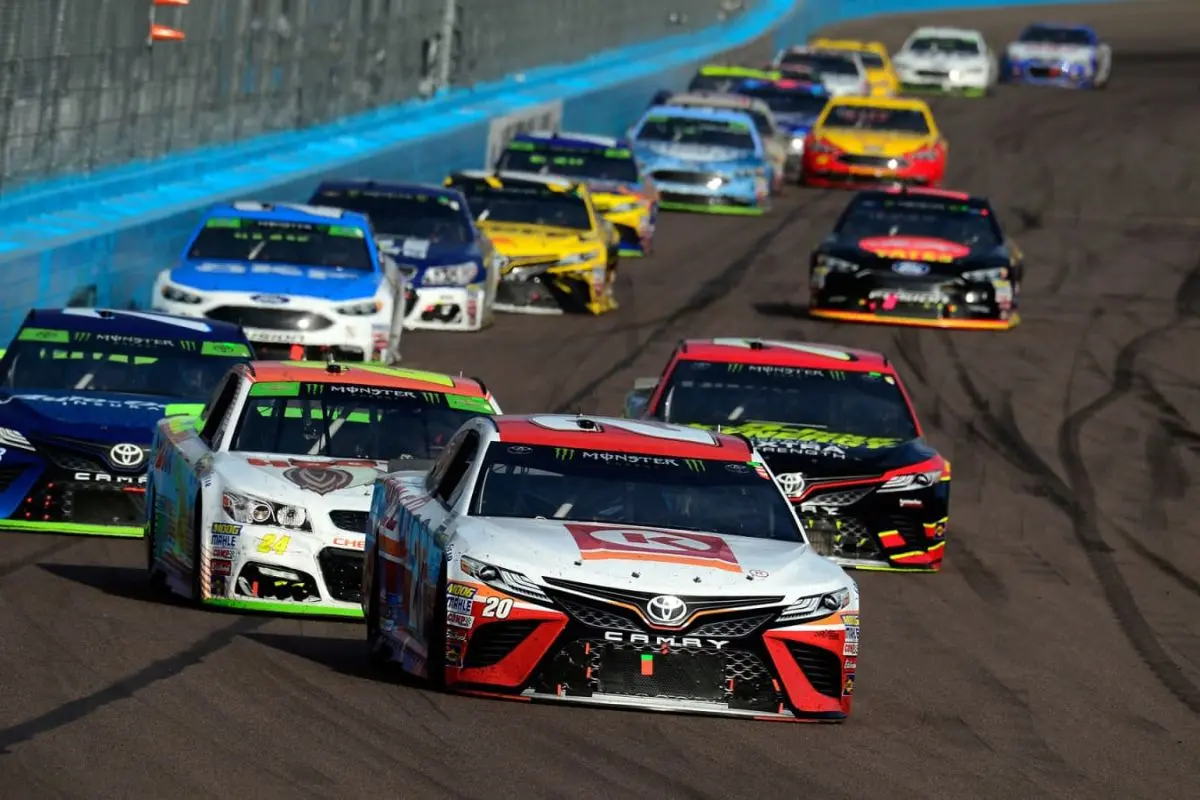
In the world of NASCAR, where races can be decided by fractions of a second, pit stop efficiency is a game-changer. For decades, teams have sought every possible edge to shave time off their pit stops, especially in the critical area of refueling. Now, a groundbreaking partnership between Richard Childress Racing (RCR) and Lenovo is ushering in a new era of AI-powered pit stop refueling-bringing precision, speed, and strategy to levels never before seen in stock car racing.
Revolutionizing Refueling: The Challenge of NASCAR Pit Stops
Pit stops are one of the most intense and scrutinized aspects of any NASCAR race. Each event typically involves between five and twelve pit stops per car, with refueling playing a pivotal role in race strategy and outcome. Unlike Formula 1, where refueling has been banned for years, NASCAR still relies on rapid refueling, using specialized cans that can deliver up to 11 gallons of fuel in seconds. The challenge? There are no in-car fuel gauges, so teams must estimate fuel levels based on time, flow rates, and experience-a process ripe for error and inefficiency.
A miscalculation-either overfilling, which adds unnecessary weight, or underfilling, which can force an extra stop-can cost valuable track position or even a race win. For RCR, a team renowned for its innovation and competitive spirit, this was an area demanding a technological leap forward.

The Lenovo Solution: AI at the Edge
Recognizing the need for real-time, foolproof data, RCR partnered with Lenovo to develop a cutting-edge AI solution that brings unprecedented accuracy to pit stop refueling. Here’s how it works:
-
In-car transponders and a high-definition overhead camera are installed at the pit box.
-
When an RCR car enters the pit, the system automatically triggers a real-time video feed.
-
An advanced AI engine processes 30 frames per second, precisely detecting the moment the fuel can is attached and detached from the car.
-
The AI system, hosted on a Lenovo ThinkEdge SE360 V2 server equipped with an NVIDIA L4 Tensor Core GPU, analyzes the fueling process with 99.4% accuracy-even in adverse conditions like night or rain.
-
The duration the fuel can is attached is used to calculate the exact gallons delivered, allowing teams to know, within about 100 feet of track distance, how much fuel is onboard.
This data is instantly available to race engineers and strategists via a browser-based API, which can also auto-populate Excel sheets for further analysis. The system can handle up to 30 cars simultaneously, making it robust enough for the busiest pit road scenarios.

Strategic Advantages: Real-Time Insights and Race-Winning Decisions
The impact of this AI-powered system is profound:
-
Pinpoint Fuel Mileage: Teams can now calculate fuel mileage with unprecedented precision, removing guesswork and enabling more aggressive race strategies.
-
Seconds Saved: By knowing exactly how much fuel is needed, crews can avoid overfilling, shaving precious seconds off each stop-potentially gaining up to four positions per pit stop.
-
Digital Countdown Displays: The system powers real-time digital countdowns for drivers and crew, letting them see fueling progress at a glance.
-
Data-Driven Strategy: With accurate fuel data, teams can better time pit stops, plan for green-flag runs, and react instantly to changing race conditions.
Sachin Gopal Wani, AI Data Scientist at Lenovo, highlights the importance:
“Delivering a solution that is easily interpretable by the user is a crucial part of our AI leadership. The API provides a browser viewpoint for anyone to check the status of pitstops and the duration, along with the log. The real-time results can be auto-populated in Excel for race engineers, supporting strategic decision-making.”
Beyond Refueling: The Future of AI in NASCAR Pit Stops
The RCR-Lenovo collaboration is just the beginning. Plans are underway to:
-
Measure Fuel Plug Angles: By analyzing the angle of the fuel nozzle, the system aims to further improve accuracy in determining fuel flow and delivery.
-
Augmented Reality (AR) Displays: An innovative AR solution is being developed to project a timer in front of the fuelman, showing exactly how long the fuel can has been connected.
-
Tire Change Optimization: Next up is using AI and GoPro cameras to monitor tire changes, ensuring all lug nuts are properly tightened and further reducing pit stop times.
These advancements promise to revolutionize not just refueling but every aspect of pit stop performance, making NASCAR teams more efficient, safer, and more competitive.

Broader Implications: Tradition Meets Technology
NASCAR has long been celebrated for its blend of tradition and innovation. The introduction of AI into pit stop operations raises important questions about the balance between technological advancement and the sport’s roots. While some purists may worry about the loss of “seat-of-the-pants” strategy, the reality is that technology has always played a role in racing-from engine tuning to aerodynamics.
The success of the RCR-Lenovo partnership is likely to inspire other teams and even other motorsports to adopt similar AI-driven solutions. As the technology matures, we can expect to see its influence grow, not just in NASCAR but across the racing world.
News in Brief: NASCAR’s AI-Powered Pit Stops
The AI-powered pit stop refueling system developed by Richard Childress Racing and Lenovo is more than just a technological innovation-it’s a paradigm shift for NASCAR. By delivering real-time, highly accurate fuel data, the system allows teams to make smarter, faster decisions that can mean the difference between victory and defeat.
ALSO READ: Spotters Under Pressure: The Human Side of NASCAR’s Most Critical Job

