
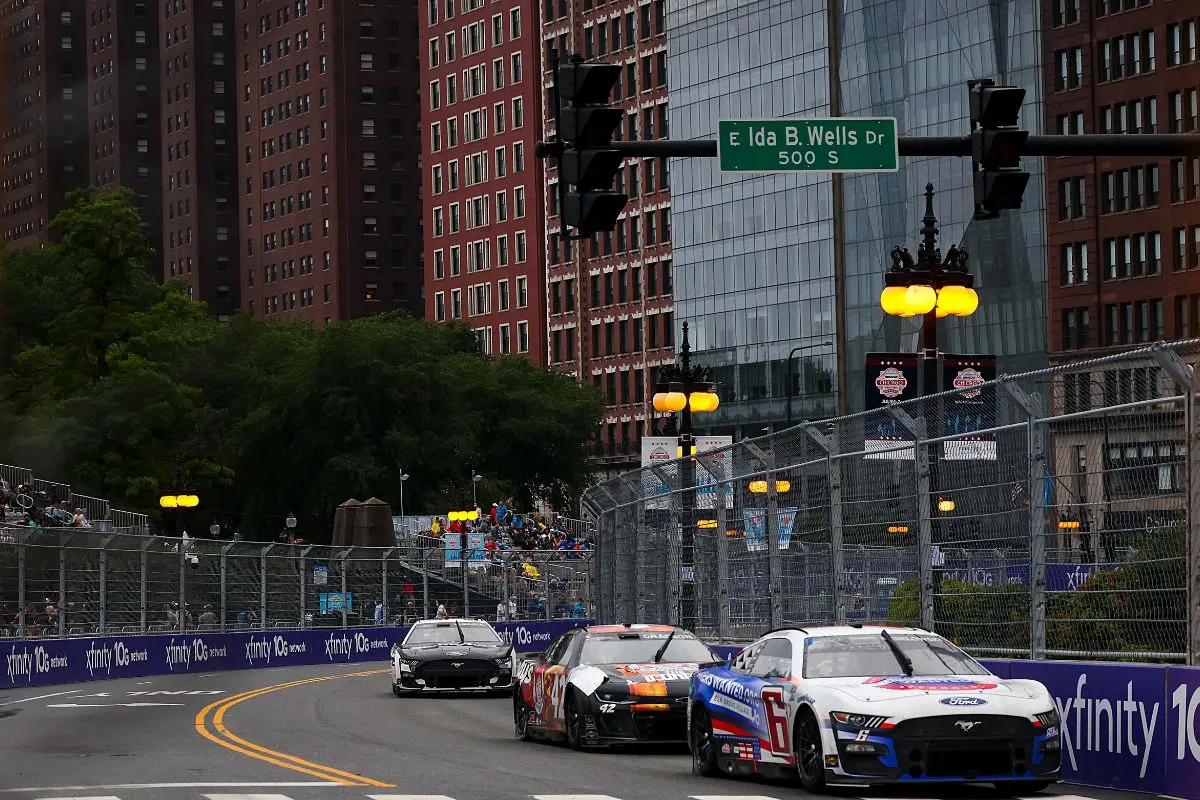
In 2025, the NASCAR Chicago Street Race is back for its third year, drawing both excitement and concern from residents and local authorities. The event is slated to take place in Grant Park, where streets will be closed for several days to accommodate the race and its setup. As the date draws near, the growing tension between NASCAR organizers and the local community has come into sharper focus. With noise, traffic, and safety being key concerns, it’s clear that while some view the race as a thrilling spectacle, others see it as an ongoing inconvenience to their daily lives.
Residents Express Growing Frustration with Disruptions
For many South Loop residents like Paul Wasserman, the NASCAR Chicago Street Race is no longer a welcome event. Wasserman, who has lived in the neighborhood for 30 years, spoke candidly at a community meeting about the challenges posed by the race. His sentiments echo the frustration of many others in the area who feel that the benefits of hosting the event are outweighed by the inconveniences it causes.
“It’s really tough on the neighborhood during NASCAR,” Wasserman said. The event, which brings massive crowds and temporary road closures, has left residents feeling cut off from their own community. Despite the event’s appeal to motorsports enthusiasts, many locals find it difficult to navigate the disruption in their daily routines.
Other residents pointed out that while some events in the city, like concerts, bring occasional disruption, the NASCAR race takes over a significant portion of their lives for nearly a month due to the setup and teardown involved. The race itself may last for just two days, but the impact stretches far beyond that.

Traffic and Street Closures: A Major Source of Concern
One of the most disruptive aspects of the NASCAR Street Race is the extensive traffic and street closures that accompany it. In preparation for the event, streets in and around Grant Park will be blocked off for up to 18 days, a day less than last year, but still a significant inconvenience. These closures impact not just the immediate race area, but also create ripple effects throughout the surrounding neighborhoods.
Local businesses and residents who rely on these streets for access to work, schools, and daily activities are finding it increasingly difficult to function normally. With streets like Jackson Drive, Balbo Drive, and Roosevelt Road closed for the event, many are left scrambling for alternative routes. This is particularly challenging for those who rely on public transportation or need to travel through the area to get to work.
The street closures will also impact access to popular locations like the Museum Campus, making it harder for both locals and tourists to enjoy the city’s landmarks during the race. For many, the NASCAR Street Race’s temporary takeover of their city streets is more than just an inconvenience—it’s a reminder of how the event dominates the neighborhood, both physically and emotionally
Safety Concerns and Community Engagement
Safety has been a primary concern for many residents, particularly given the high-profile nature of the event. At the community meeting with local police and NASCAR representatives, concerns about safety were raised repeatedly. Central District police Cmdr. David Harris addressed these concerns, acknowledging that the event’s presence significantly affects the community’s sense of security.
“I understand it’s a lot of people live down here, and they’re not interested in their front yard being a party every weekend,” Harris stated, emphasizing the need for balance between hosting large-scale events and ensuring residents’ peace of mind.
While NASCAR has made efforts to reassure the community, the unpredictability of such an event raises legitimate safety concerns. The race’s unique setting on public streets increases the risks of accidents or mishaps, and residents are understandably wary of how well local authorities can manage the influx of visitors, traffic, and the increased potential for disturbances.
NASCAR representatives, including Julie Giese, have committed to minimizing disruptions and improving their coordination with local authorities. However, many in the neighborhood are skeptical about how effective these efforts will be in addressing the full scope of the race’s impact.

Economic Impact and Benefits: A Double-Edged Sword
On the flip side, the NASCAR Chicago Street Race brings considerable economic benefits to the city. The event attracts thousands of fans, tourism dollars, and media attention, benefiting local businesses in the form of increased foot traffic and sales. Restaurants, hotels, and other service providers in the South Loop and surrounding areas stand to profit from the influx of visitors.
However, not everyone in the community feels that the economic benefits justify the disruption. While business owners may be pleased with the financial boost, many residents see their neighborhoods transformed into a racecourse for several weeks, with little long-term gain for them. For those who aren’t involved in the racing world or who don’t see any personal advantage to the event, the economic argument falls flat.
Moreover, as the city plans to continue the event for another year under the current contract, questions about its sustainability arise. Is it fair to prioritize an event that caters to outsiders over the needs of the city’s long-term residents?
NASCAR’s Response: Adjustments and Future Plans
In response to growing concerns, NASCAR and city officials have made efforts to address some of the neighborhood’s issues. They have trimmed the event’s setup and takedown time, cutting nearly two weeks off the process to reduce the overall traffic and closure period. This year, the total duration of street closures will be 18 days, one day shorter than in previous years.
NASCAR representatives, like Julie Giese, have stressed their commitment to improving the event year after year. “We’re going to continue to get better at this,” Giese said. The organization has pledged to minimize disruptions and is seeking ways to better accommodate the residents, whether through improved communication, better traffic management, or other means.
As for the future of the NASCAR Chicago Street Race, the city entered into a three-year contract with NASCAR, which is set to expire after the 2025 event. While there are options to extend the agreement, Giese has stated that the focus for now is on the 2025 race. It remains to be seen whether NASCAR will continue to hold the race in Chicago after the contract expires or whether alternative venues might be explored.

News in Brief: NASCAR Chicago street race impact
As the NASCAR Chicago Street Race heads into its third year, the relationship between the event and the local community remains tense. While the race brings excitement and economic benefits, it also introduces significant disruptions that many residents find difficult to endure. With street closures, traffic jams, and safety concerns, the race continues to raise questions about the balance between hosting major events and respecting the needs of local communities.
NASCAR has taken steps to address some of these issues, but whether these efforts will fully satisfy local residents remains uncertain. As the 2025 event approaches, it’s clear that the future of the NASCAR Chicago Street Race will depend on how well organizers can respond to community concerns and whether they can find ways to minimize disruptions while maximizing the event’s benefits.
ALSO READ: Rumors Swirl About NASCAR’s Next Big Track Addition—Is It Happening?

