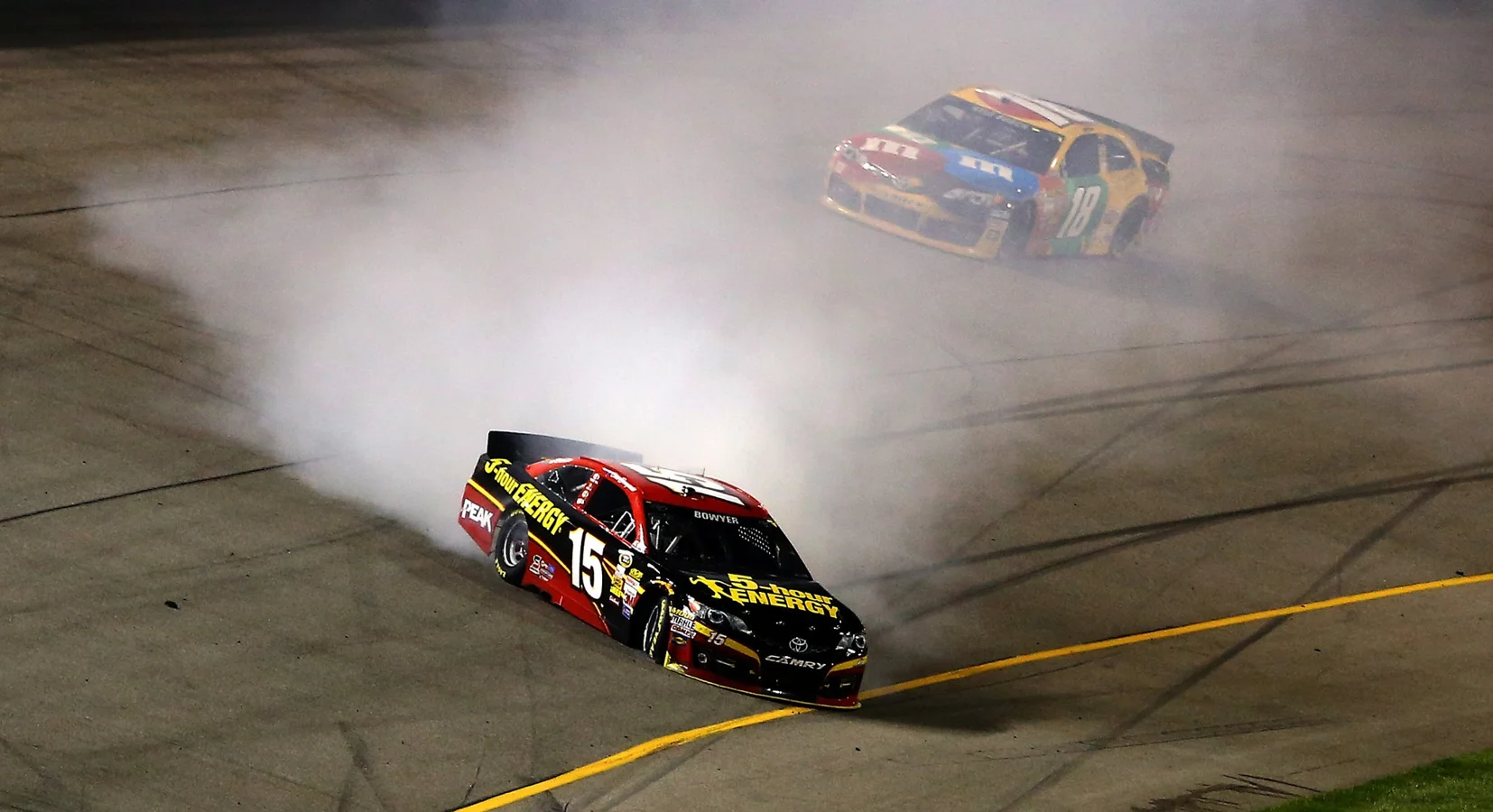
In September 2013, the NASCAR community was rocked when questions arose over possible team orders involving Joey Logano at the Richmond Raceway, after communications during the race suggested Front Row Motorsports may have helped Logano secure a higher finishing position. This incident, which took place during the Federated Auto Parts 400 on September 7, immediately drew skepticism and prompted an investigation, as the result had implications for playoff positions.
Joey Logano finished 22nd in the race, directly ahead of David Gilliland in 23rd, after Front Row Motorsports crew chief Frank Kerr implied over the radio that permitting Logano’s #22 car to move ahead could come with a reward. While suspicions lingered, neither Logano nor his team were directly recorded discussing or acknowledging any agreement during the event. The incident brought unwanted attention to Joey Logano and ignited a debate over ethics and competitive fairness in NASCAR.
Roger Penske, owner of Team Penske, firmly denied any coordination with Front Row Motorsports or involvement in tactics to influence the outcome at Richmond. He addressed the controversy, saying,
“We were not involved in this agreement,”
and insisted that Joey Logano’s advancement was not orchestrated behind the scenes. Nonetheless, NASCAR responded to the controversy by placing both teams on probation for
“actions detrimental to stock car racing”
and implementing strict new rules that forbade team executives from occupying the spotters’ stand or engaging in digital communication with spotters during races.
The aftermath of the Joey Logano Richmond Raceway team orders controversy 2013 exposed how susceptible racing can be to off-track manipulation, stirring intense debate among fans, teams, and officials. It also forced several changes in regulations to maintain integrity in the sport. While Joey Logano was never formally charged with any wrongdoing, the episode cast a shadow over his and his team’s achievements, leaving many in the racing world divided about the true motives behind what happened in Richmond.
With stricter oversight now in place, the lasting effects of this episode are still felt, serving as a cautionary tale that continues to influence NASCAR’s approach to fairness and competition.