
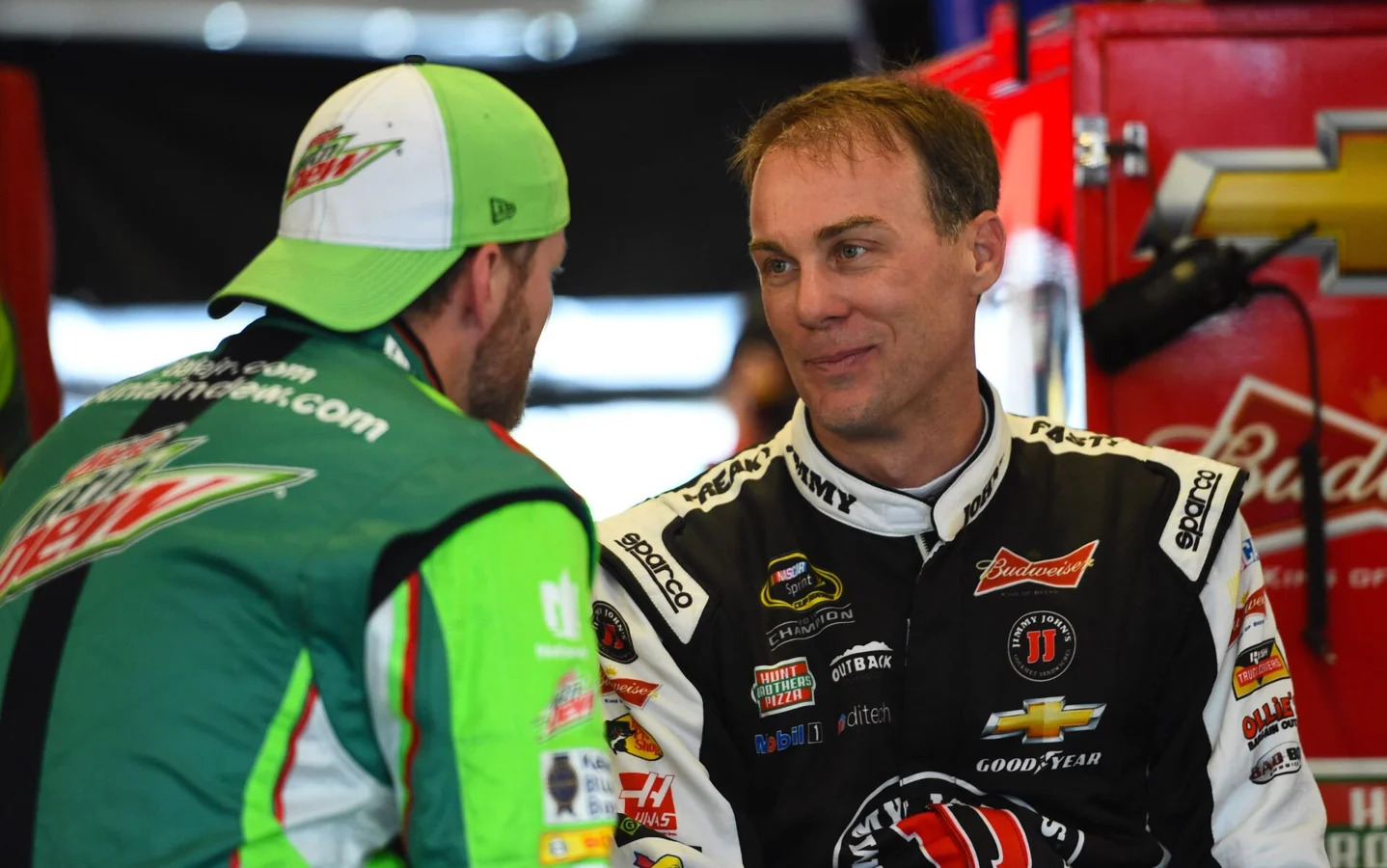
Dale Earnhardt Jr. has spoken out in defense of Kevin Harvick, calling out what he believes is unfair criticism being directed at Harvick’s transition from racetrack to broadcast booth. This public show of support unfolded recently, as Earnhardt Jr. discussed the mounting scrutiny faced by former drivers like Kevin Harvick, now working as NASCAR commentators, a job that often puts them in the crosshairs of passionate fans. During a podcast appearance, Earnhardt Jr. illuminated the persistent challenges broadcasters endure and underscored the quick-changing opinions of the audience, emphasizing how Kevin Harvick, in particular, has received an undeserved “bad rap.”
On the “Rubbin’ is Racing” podcast, Dale Earnhardt Jr. spoke frankly about his experiences and observations in NASCAR media. With sincerity, he noted,
Earnhardt Jr. illustrated how fans’ perceptions swing unpredictably, with some eagerly awaiting changes from one network’s coverage to another, often blaming commentators for broader issues. He pointed out that this ever-present dissatisfaction impacts everyone in the broadcast booth, with Kevin Harvick being a recent target of harsh feedback.
The conversation turned to the pressures broadcasters face, with Earnhardt Jr. sharing that reading public comments is both a learning tool and a challenge.
he revealed, later adding,
This vulnerability, stark and relatable, brought attention to the personal toll criticism can take, especially on someone like Kevin Harvick, who is still finding his place in NASCAR media after a lengthy driving career.
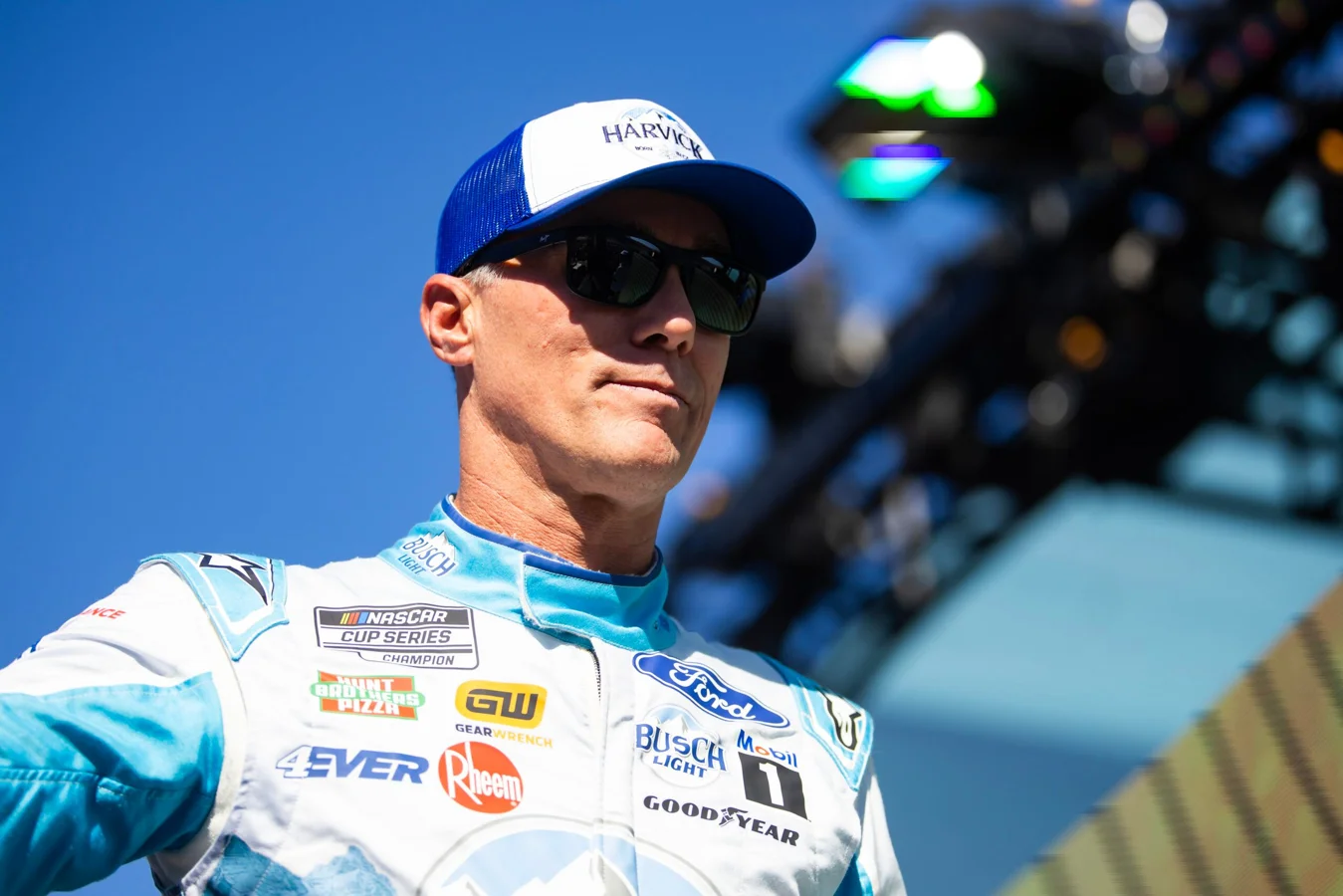
The dynamic between Earnhardt Jr. and Kevin Harvick has not always been smooth. In 2017, Harvick publicly remarked that Earnhardt Jr.’s lack of victories was
a comment that caused pain and stirred the NASCAR community. Yet, through open conversations, they managed to reconcile, and Earnhardt Jr. now finds himself standing up for Harvick, insisting that the wave of criticism is neither fair nor fully considering the realities of live broadcast production. Earnhardt Jr. admitted to sharing Harvick’s frustrations, especially when production choices—such as missed camera shots—draw ire from viewers who blame the commentators, not the underlying causes.
As NASCAR continues to evolve, Earnhardt Jr. believes there is an undue fixation on leaders in race coverage, resulting in missed opportunities to showcase compelling action throughout the field. He argues that it is misleading to assign blame to commentators like Kevin Harvick for broadcast shortcomings that are often out of their control. With Earnhardt Jr. preparing to embark on his own major broadcasting roles with Amazon Prime and TNT, he acknowledges criticism is part of the package. But, as he puts it,
These developments spotlight the high-pressure environment of NASCAR commentary, as Kevin Harvick and his colleagues must adapt to both the technical complexities of live television and the often harsh glare of public opinion. The ongoing support from respected figures like Dale Earnhardt Jr. may help shift the narrative and encourage a fairer, more balanced assessment of broadcast teams. Ultimately, the debate over NASCAR commentary reflects deeper tensions in the sport, and how fans, commentators, and drivers all strive to ensure the racing world remains passionate, fair, and engaging for everyone involved.

