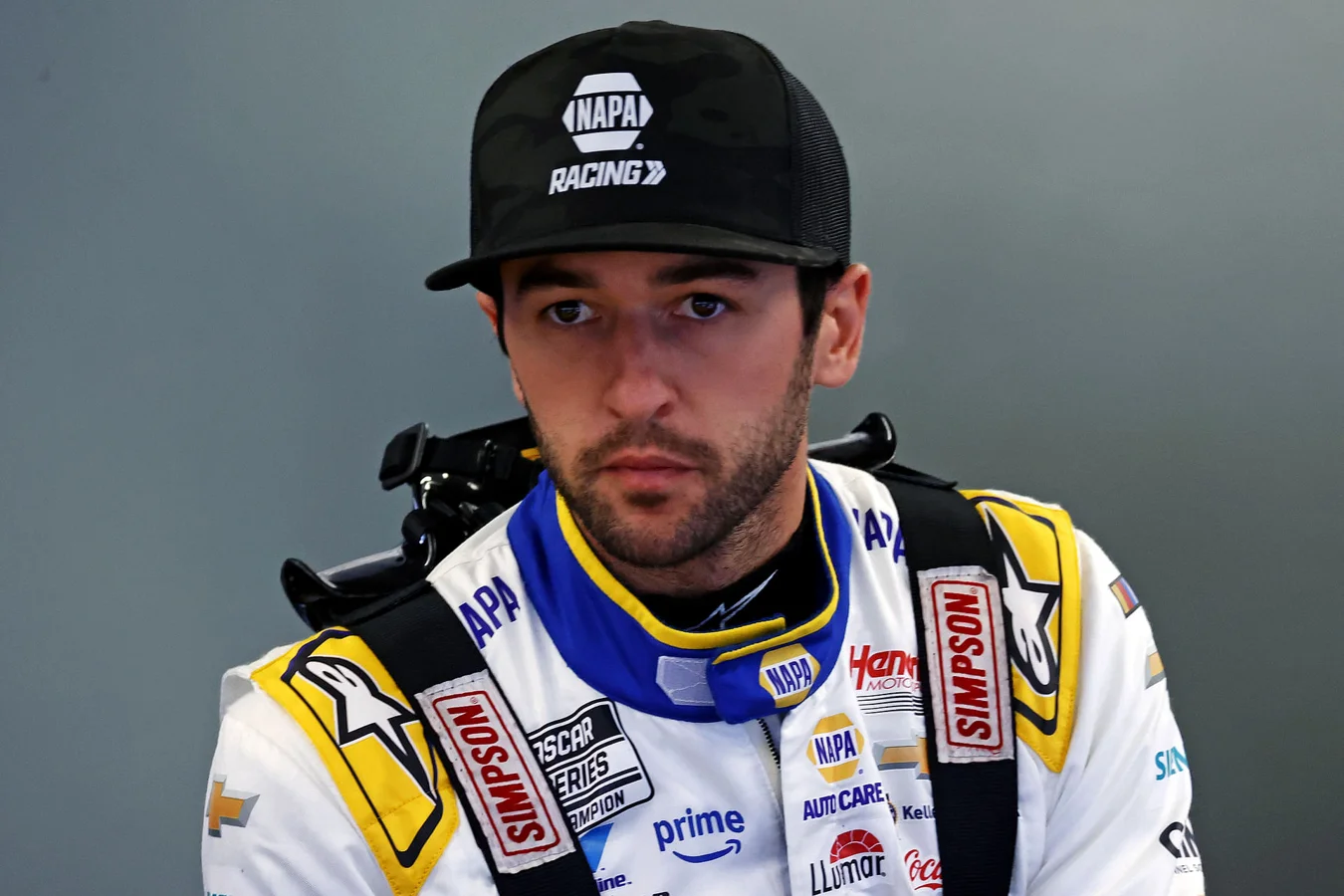
NASCAR may dazzle with its headline-grabbing speeds and roaring engines, but Chase Elliott on how NASCAR drivers adapt over time illuminates a different truth: the sensation of tearing down a straightaway at 200 miles per hour eventually becomes just another part of the job. Elliott recently shared his personal insights during a candid discussion on the MeatEater Podcast Network, hosted by Steven Rinella.
For racing fans, the spectacle often centers around fearlessness and daredevil risk-taking, yet Elliott likened the mindset of elite racers to professionals who accept danger as an inherent aspect of their craft—rather than as adrenaline-fueled thrill seekers. Addressing a question regarding whether drivers are truly unafraid or if fearlessness is what sets champions apart, Elliott noted that success depends on adapting to ever-present risks rather than being devoid of fear.
The Unique Challenges of Iconic NASCAR Tracks
Elliott specifically cited tracks such as Daytona and Talladega, known for their high-octane pack racing and elevated risk of collisions, where danger is constantly looming. He acknowledged that the heightened chance of wrecks and injuries is ingrained in these particular venues. Nonetheless, each driver, including Elliott, is fully aware of these realities when entering the sport, and learning to live with this acceptance becomes second nature over time.
From Adrenaline Rush to Everyday Routine
To underscore his point, Elliott compared the sensation of speed in NASCAR to everyday driving situations. If one were to speed through a town like Bozeman at 80 miles per hour, the velocity would feel intense. Yet, reaching the same speed on a highway surrounded by other drivers doing likewise makes it seem unremarkable. For those behind the wheel in NASCAR, even the sensation of 200 miles per hour loses its edge.
“I can say there’s really no thrill anymore about going 200 [miles per hour]. It’s not.”
—Chase Elliott, NASCAR Driver
Shifting the Focus: Precision and Competition Become Paramount
According to Elliott, whatever exhilaration is present in a driver’s early days is quickly muted by routine.
“It’s like so the thrill factor of it goes away after time, and then you start focusing in on more of like the small little fine details of how can I push the car a little further?”
—Chase Elliott, NASCAR Driver
The transformation is clear: what may begin as a wild adventure soon morphs into a contest dominated by technical skill and razor-thin margins.
“It becomes so much more competition-based,”
Elliott noted.
“It’s way more centered around that than it is like ‘oh wow, you know, just holding on for dear life going 200 miles an hour, and this is cool and crazy and wow, look at us.’ It’s not; that’s just not the mindset.”
—Chase Elliott, NASCAR Driver
What Separates Good Drivers from Great Racers
The true distinction between top-tier racers and the rest, says Elliott, rests on subtle and almost imperceptible details. Racing becomes an advanced exercise in feeling—the hands, the feet, body position, and rapid visual processing—where drivers like Elliott depend on their acute senses to process information and react at breakneck speeds. The difference between a competent driver and an elite competitor can be found in mastering these tiny variables, most of which go unnoticed outside the sport.
Life Off the Track and the Fading Allure of Speed
When not racing, drivers are, more often than not, everyday road users just like everyone else. Elliott humorously suggested that exceptions might exist, such as Kyle Busch, who is still known for his penchant for high speeds. Yet, for most NASCAR drivers, the intoxicating rush of velocity is quickly eclipsed by an enduring quest for technical perfection behind the wheel.
Elliott’s insights provide a rare and honest window into the complex psychological shift experienced by professional racers—one where accepting risk and pursuing incremental improvement matters far more than chasing pure speed. As NASCAR continues to evolve, the focus for racers like Elliott remains on precision, mastery, and the relentless search for competitive advantage, rather than the once-daunting thrill of going 200 miles per hour.