
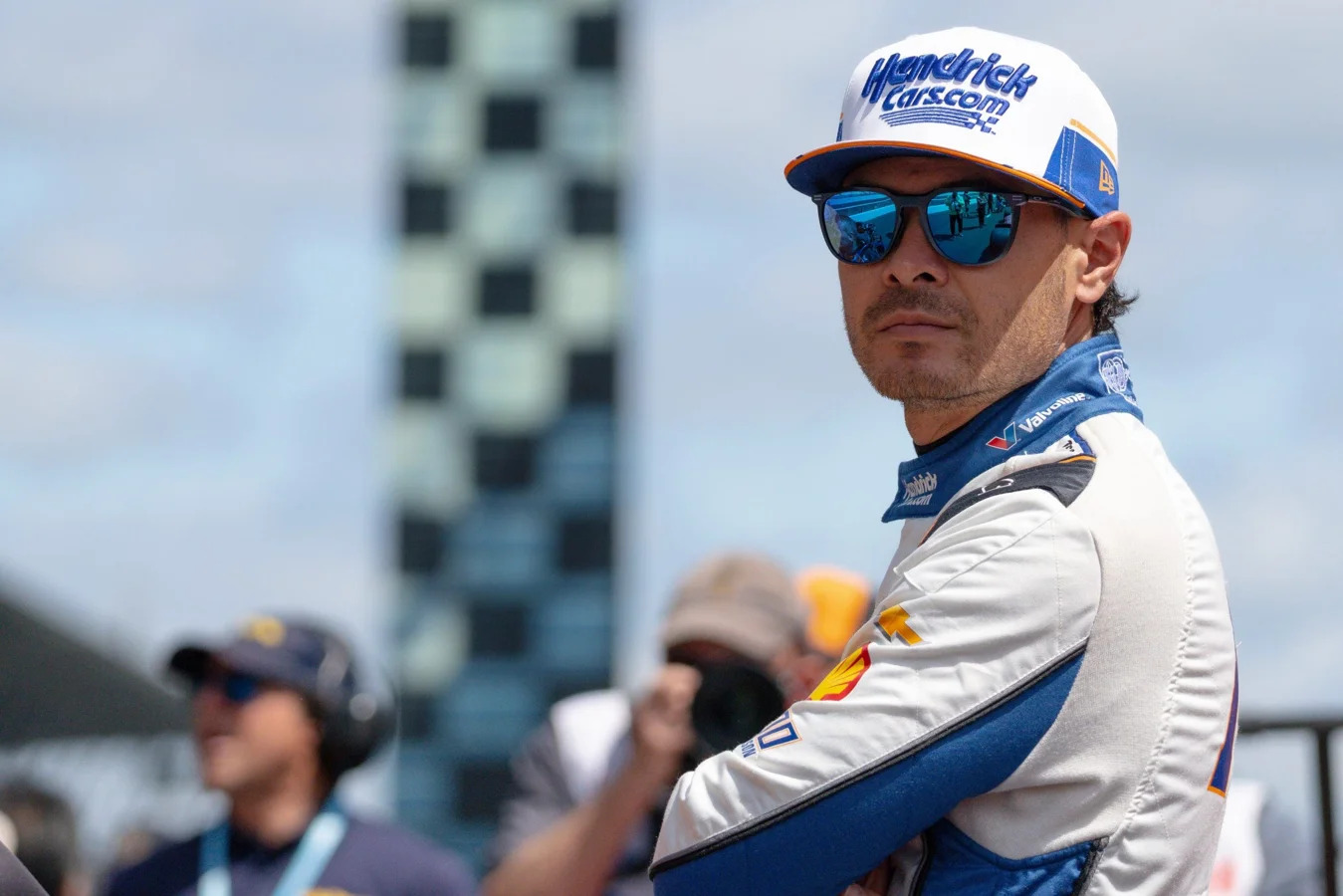
Kyle Larson compares F1 racing to NASCAR and IndyCar from his unique perspective as a top American driver, as he prepares for the grueling Double on Memorial Day weekend, racing in both the Indianapolis 500 and the Coca-Cola 600. While many fans wonder if Larson would favor the prestige of Monaco’s Formula 1 Grand Prix, his recent comments highlight key distinctions between American motorsports and F1.
Kyle Larson Faces the Double: American Racing’s Challenge
During Memorial Day weekend, motorsport enthusiasts in America celebrate with two marquee races: the Indianapolis 500 and the Coca-Cola 600, a tradition akin to a holiday for fans. Kyle Larson is once again embracing the challenge, committing to drive a combined 1,100 miles between these two demanding events—an achievement referred to as “the Double.” The significance of this feat lies not only in its physical demands but also in its deep ties to American racing heritage.
NASCAR and IndyCar are deeply rooted in American culture, having been developed and loved over generations. As Kyle Larson’s versatility garners respect throughout the motorsport world, his take on Formula 1, the globally recognized series, sparked interest during his recent discussion on the Pat McAfee Show.
Larson’s Thoughts on Formula 1 vs. NASCAR and IndyCar
On the show, Larson reflected openly on his experiences with F1 compared to his home turf racing:
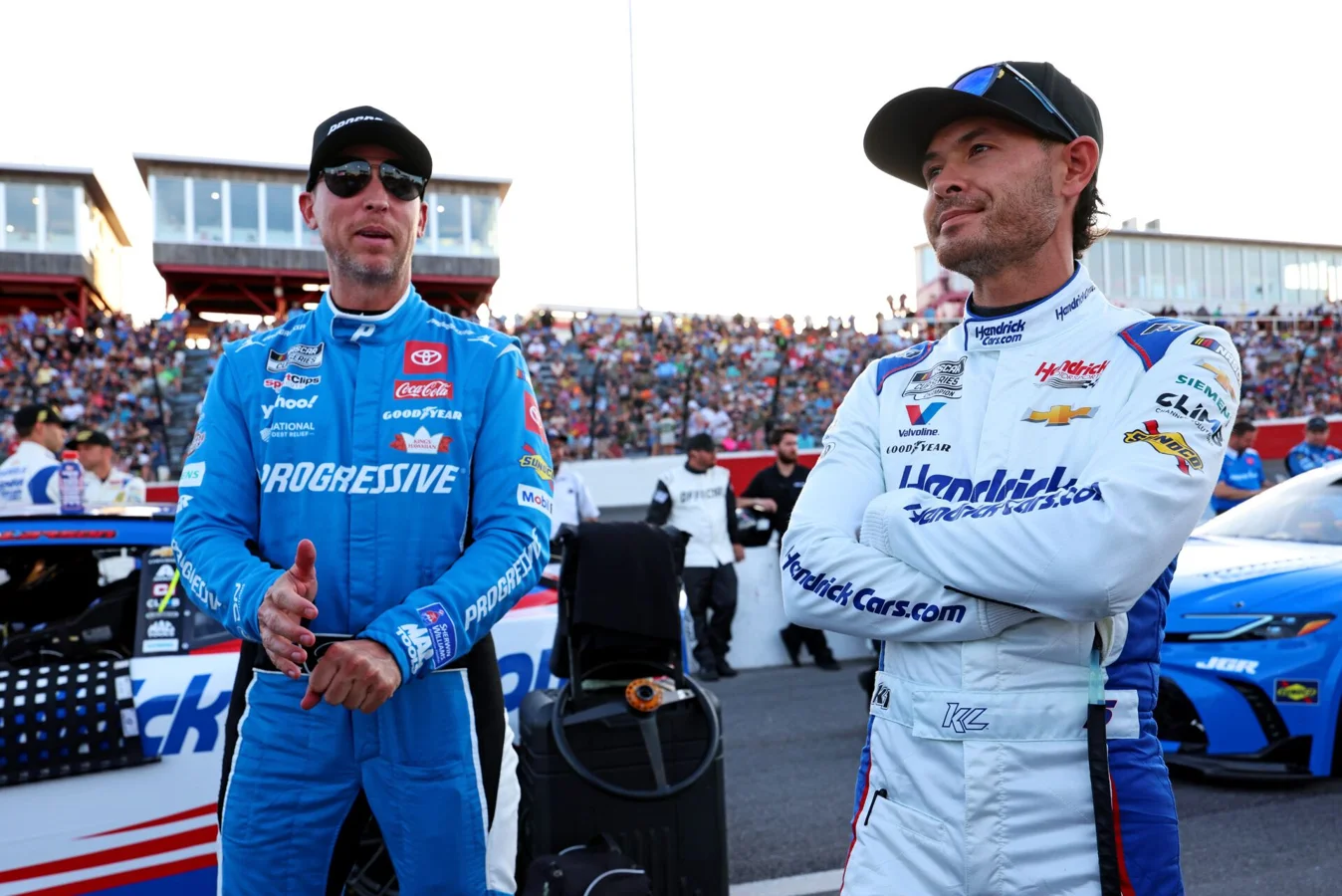
“Never been asked to drive in F1, I think it’s tough coming from my background of dirt tracks and ovals,” Larson said. “But I went to Abu Dhabi in 2021. It was sick, like, the event was awesome. It was incredible. The racing, the racing is not what we are accustomed to in America. There, it’s crazy how big it is because, yeah, you’re right, it’s not super exciting, but I think it’s the stuff outside of it.
The celebrities that are there, the engineering, the money. Just everything about that. You know, the big brands on the cars and stuff. You know, I feel like NASCAR, IndyCar here in America, like, you can’t find much more exciting racing than what we have here. So, I’m fortunate to get to run both of them, but I would definitely never turn down the opportunity to go [race F1].”
—Kyle Larson, NASCAR and IndyCar driver
Larson’s perspective provides insight into the distinctive nature of American racing: The on-track action and unpredictability found in NASCAR and IndyCar are contrasted with F1’s polished spectacle and higher focus on engineering and celebrity culture. He openly acknowledged F1’s massive global presence but noted that the race itself often lacks the non-stop excitement many American fans expect.
Barriers for American Drivers in Formula 1
Larson also faces another challenge common among U.S. racers seeking a spot in Formula 1: nationality. The path to a coveted Super License for F1 is steeper for American drivers, regardless of their achievements elsewhere. This long-standing barrier is widely recognized in the racing community and continues to limit crossover opportunities for talents like Larson.
Despite Larson’s appreciation for the spectacle surrounding F1 events, he did not express harsh criticism about the racing itself, stating a sentiment shared by many motorsport followers. He observed that even dominant NASCAR performances, such as his own at Bristol and Homestead, often provide more action and position changes than a standard Formula 1 event.
Differing Race Dynamics: F1 and American Motorsports
The contrast becomes especially clear during race weekends like this one. The Indianapolis 500 and Coca-Cola 600 are known for frequent overtaking and dramatic lead changes, influenced by pit strategies and caution periods. In contrast, Formula 1’s Monaco Grand Prix rewards qualifying speed above all, and a pole-sitter who drives a clean race typically secures the win—often with little opportunity for on-track drama.
Future Possibilities for Kyle Larson
Kyle Larson’s honest evaluation underscores the excitement and unpredictability innate to American racing. Although he acknowledges the allure and prestige of Formula 1, along with its global reach, he remains deeply attached to the distinct energy of NASCAR and IndyCar. Still, Larson made it clear that if the rare chance to drive an F1 car presented itself, he would not decline, leaving the door open for potential new challenges in the future.

