
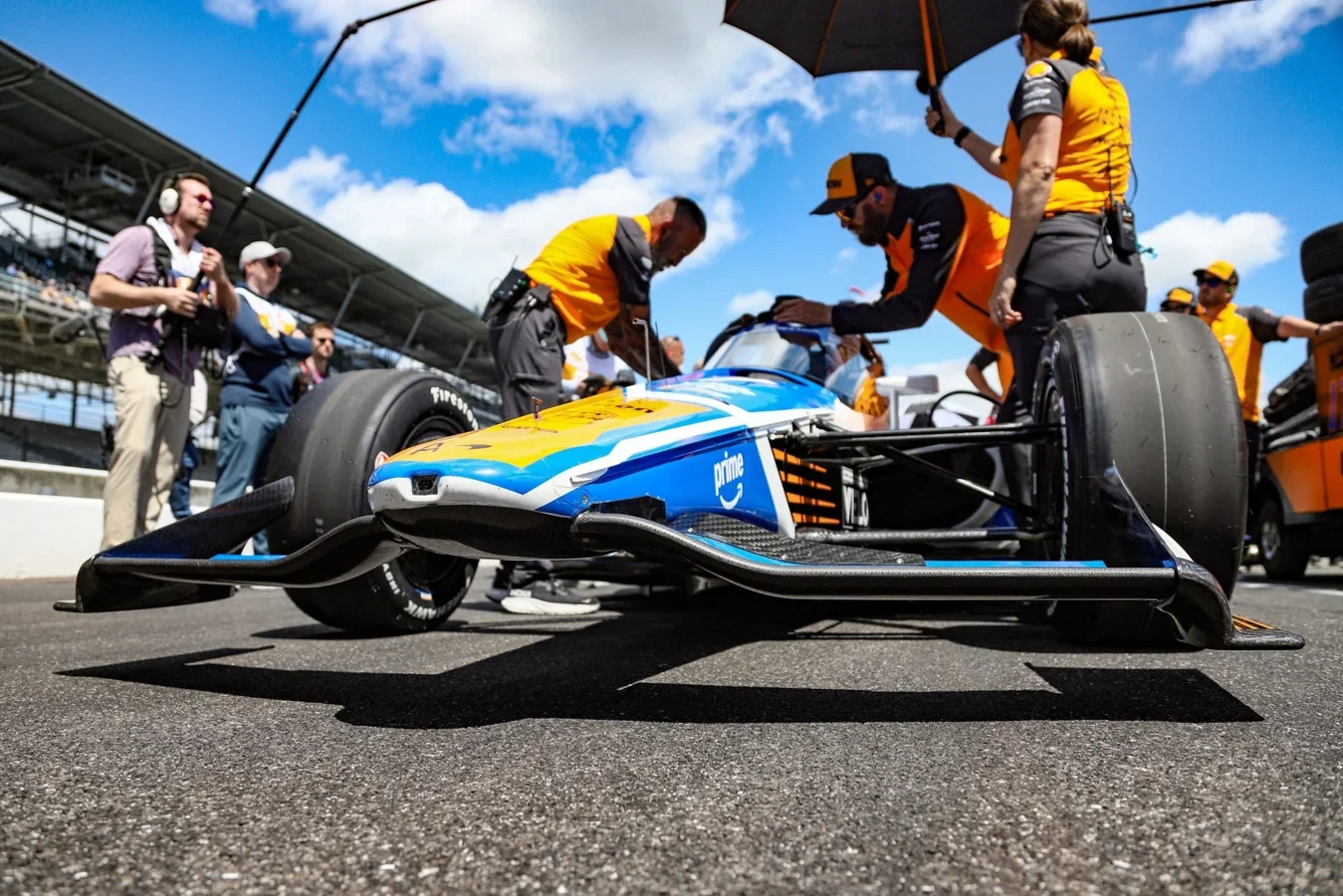
Kyle Larson compares NASCAR and IndyCar differences as he prepares for his rare attempt to race in both series on the same day, a feat known as “The Double.” Larson, representing Hendrick Motorsports, shared his personal insights into how racing in IndyCar and NASCAR feels from a driver’s perspective, revealing unexpected similarities and key differences ahead of his high-profile weekend.
Different Racing Styles Drive Unique Fan Experiences
Within the U.S., NASCAR and IndyCar rank among the top racing series, each attracting passionate followings. While both deliver thrilling competition, their foundations are distinct: IndyCar showcases open-wheel technical racing, while NASCAR remains tied to its stock car roots, emphasizing a rougher, more grounded racing spirit. Many fans prefer one over the other based on these unique characteristics, yet both demand elite skills from their drivers.
From a veteran racer’s point of view, though, the contrasts are even clearer. Kyle Larson, who will once again attempt to compete in both the Indianapolis 500 and Coca-Cola 600 on the same day, has developed a unique view after participating in such diverse events.
Larson Reveals What Really Sets NASCAR and IndyCar Apart
Larson appeared on “First Things First” before his upcoming “Double,” expressing increased confidence about his second try at this ambitious feat. He explained that, although winning both races would be an historic accomplishment—something no driver in history has managed—the possibility is not his only motivation.
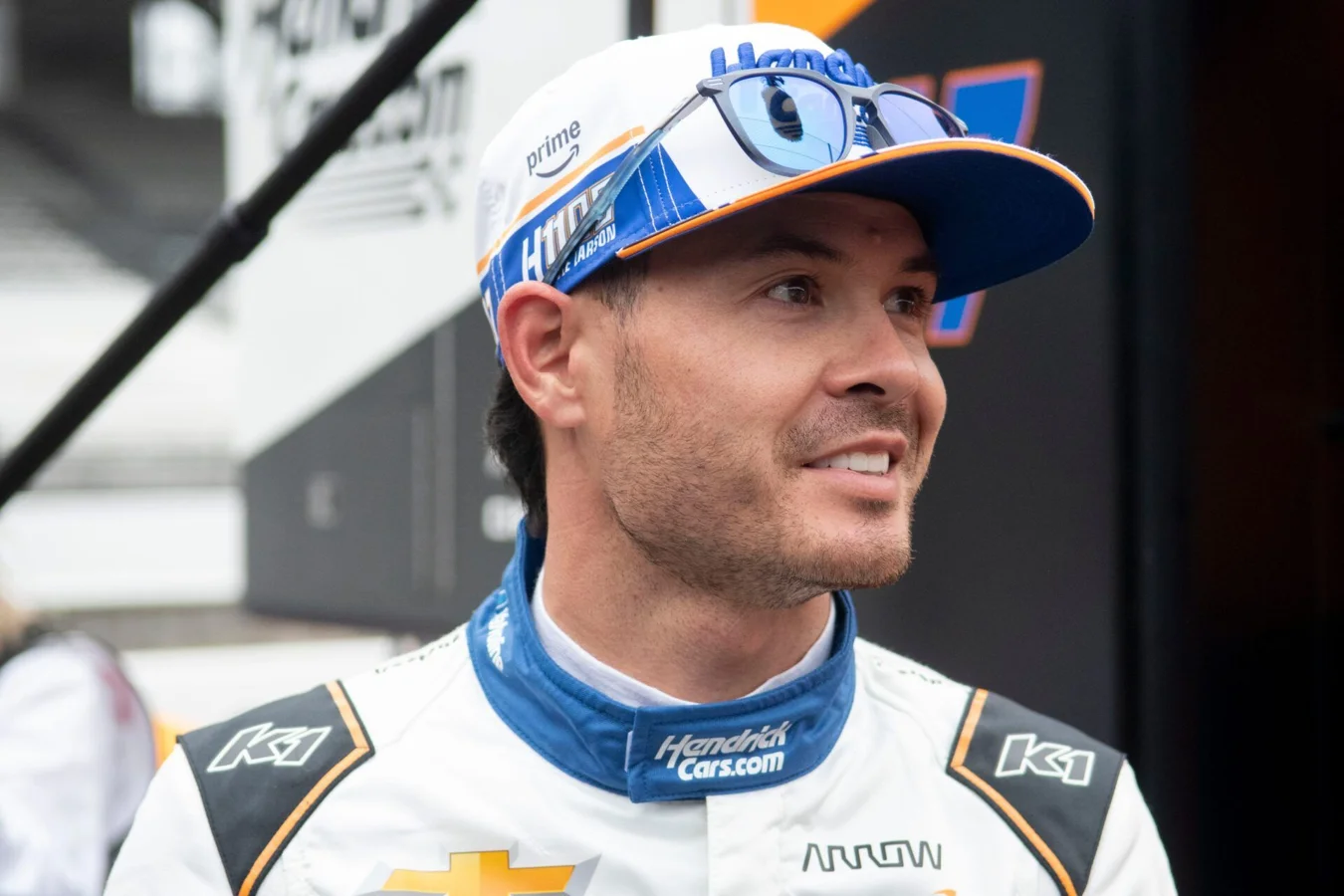
His love of diverse racing experiences fuels his drive, sharing,
“I race probably another 50 races on dirt tracks, sprint cars, and stuff. That’s not normal. So it shows the love that I have for racing,”
—Kyle Larson, Hendrick Motorsports Driver. Tackling a wide range of race formats underscores his passion for the sport.
When Chris Broussard asked Larson about the differences between preparing for NASCAR and IndyCar, Larson focused initially on the cars’ feel. To many people’s surprise, he explained that appearances aside, the sensation inside each car was more closely matched than most would assume.
“The feel that I have between the two cars, it’s not that crazy different.”
—Kyle Larson, Hendrick Motorsports Driver.
Larson elaborated that advancements in the NASCAR Next Gen car, including independent suspension and tires with shorter sidewalls, have narrowed the gap with the design philosophies seen in IndyCar. This technological evolution means that, for skilled drivers, adapting between these vehicles is not as dramatic as casual viewers might think.
Speed Remains the Most Striking Difference
Despite these similarities, Larson was quick to point out that the sheer speed of IndyCar racing on ovals like Indianapolis is an unmatched experience.
“You’re going a lot faster in the IndyCar. Like we’ll be 235 or 237 [mph] probably in the race at the end of the straightaways. NASCAR will be 195 [mph] at Charlotte, but the sensation is still the same.”
—Kyle Larson, Hendrick Motorsports Driver.
While NASCAR’s speeds at Charlotte are intense, they remain just below those achieved at IndyCar’s prime events. Larson indicated that both series require advanced strategy, precise pit stops, and keen tactical awareness, reinforcing that neither is inherently easier. Success in either realm calls for a blend of preparation and adaptability.
He concluded his comparison by noting that his wealth of oval racing experience in NASCAR might provide an edge for him in IndyCar, especially at the Indianapolis 500, even if he lacks years of specific experience in the open-wheel series. His efforts highlight the unique challenge and prestige associated with mastering both disciplines.
Anticipating Kyle Larson’s Double Attempt and Its Significance
As Larson prepares to race in both the Indianapolis 500 and the Coca-Cola 600, his reflections offer new perspective on the real-world similarities and differences between NASCAR and IndyCar for drivers at the top level. This notable attempt not only tests the limits of physical endurance and skill, but also brings together the massive communities that support these racing traditions. Should Larson succeed, he would achieve something historic, but regardless of outcome, his journey stands as a tribute to the spirit and adaptability found in elite motorsports.

