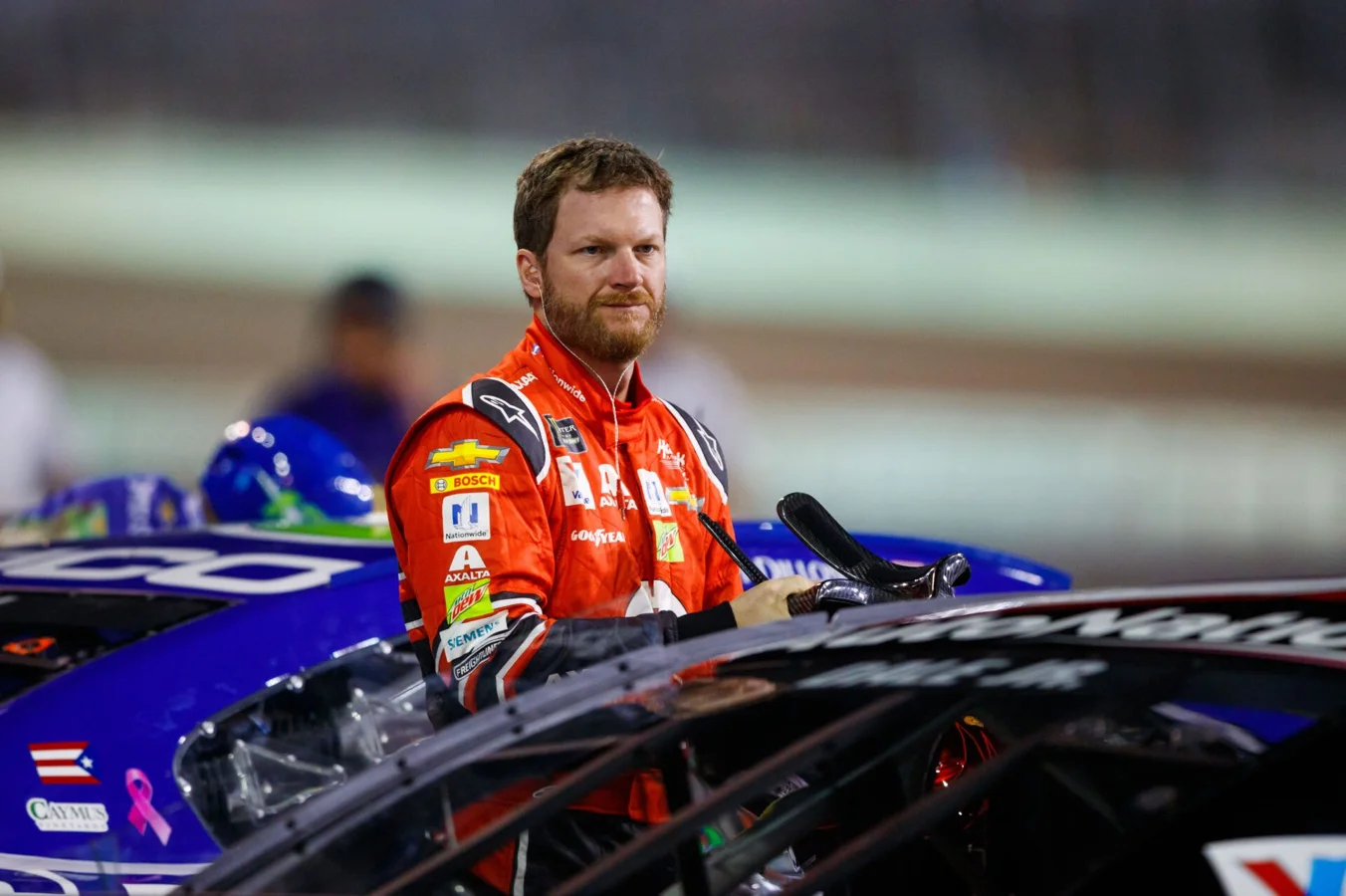
Dale Earnhardt Jr. commercial highlights NASCAR problem at a pivotal time, as the Hall of Fame driver’s presence dominates promotions while the sport navigates new broadcasting deals and changing fan expectations. With NASCAR making its debut on Amazon Prime, the ongoing focus on Earnhardt Jr. raises questions about the sport’s current appeal and the strength of its modern personalities.
Dale Earnhardt Jr.: The New Face of NASCAR’s Promotions
Dale Earnhardt Jr. continues to shape NASCAR’s image long after retiring from the Cup Series in 2017. Now, he boasts a thriving podcast network and prepares to join Amazon Prime’s broadcast team for the next slate of races, signaling his sustained influence over the brand and its audience. At the same time, Earnhardt’s father’s documentary titled “Earnhardt” has become the top show on Amazon Prime, further bolstering the family’s ongoing legacy within motorsports culture.
The latest IHOP commercial featuring Dale Earnhardt Jr. builds on his growing media profile. The spot offers a nostalgic and comedic take, reminiscent of a time when NASCAR’s advertisement campaigns centered on driver personalities and accessible humor. The partnership feels well-timed as NASCAR’s upcoming races stream on Amazon Prime through June, with Earnhardt Jr. leading the coverage in the broadcast booth for the first time in two years.
A Reliance on the Past: Concerns for the Future
While Earnhardt Jr.’s enduring popularity may seem like a win for NASCAR, it highlights a deeper concern within the sport—its persistent reliance on legacy stars. Despite stepping away from full-time competition nearly a decade ago, Earnhardt Jr. remains the figurehead for major branding pushes, including promotions for a national restaurant chain’s new meal deal.
The era spanning the mid-1990s to 2017 is widely regarded as NASCAR’s golden age for charismatic drivers. Iconic names like Dale Earnhardt Sr., Jeff Gordon, Tony Stewart, Jimmie Johnson, Michael Waltrip, Carl Edwards, Kevin Harvick, and Clint Bowyer continuously kept the sport in the media spotlight. These drivers were familiar faces both on the racetrack and in commercial campaigns, from Michael Waltrip’s Aaron’s spots to Kevin Harvick’s Mobil 1 ads and Jeff Gordon’s memorable “Saturday Night Live” appearance.
The Search for Next-Gen NASCAR Stars
Today, finding drivers who can match that level of star power remains a challenge. Though Chase Elliott succeeded Earnhardt Jr. as NASCAR’s Most Popular Driver, he has often shied away from the limelight despite his on-track success. Other drivers like Ryan Blaney bring credentials, a strong career history, and the kind of personality that once defined a NASCAR champion. Married to a former Hooters Hall of Famer and known for his willingness to engage and entertain, Blaney seems equipped for wider recognition, yet brands still turn to legendary names from years past when designing major campaigns.
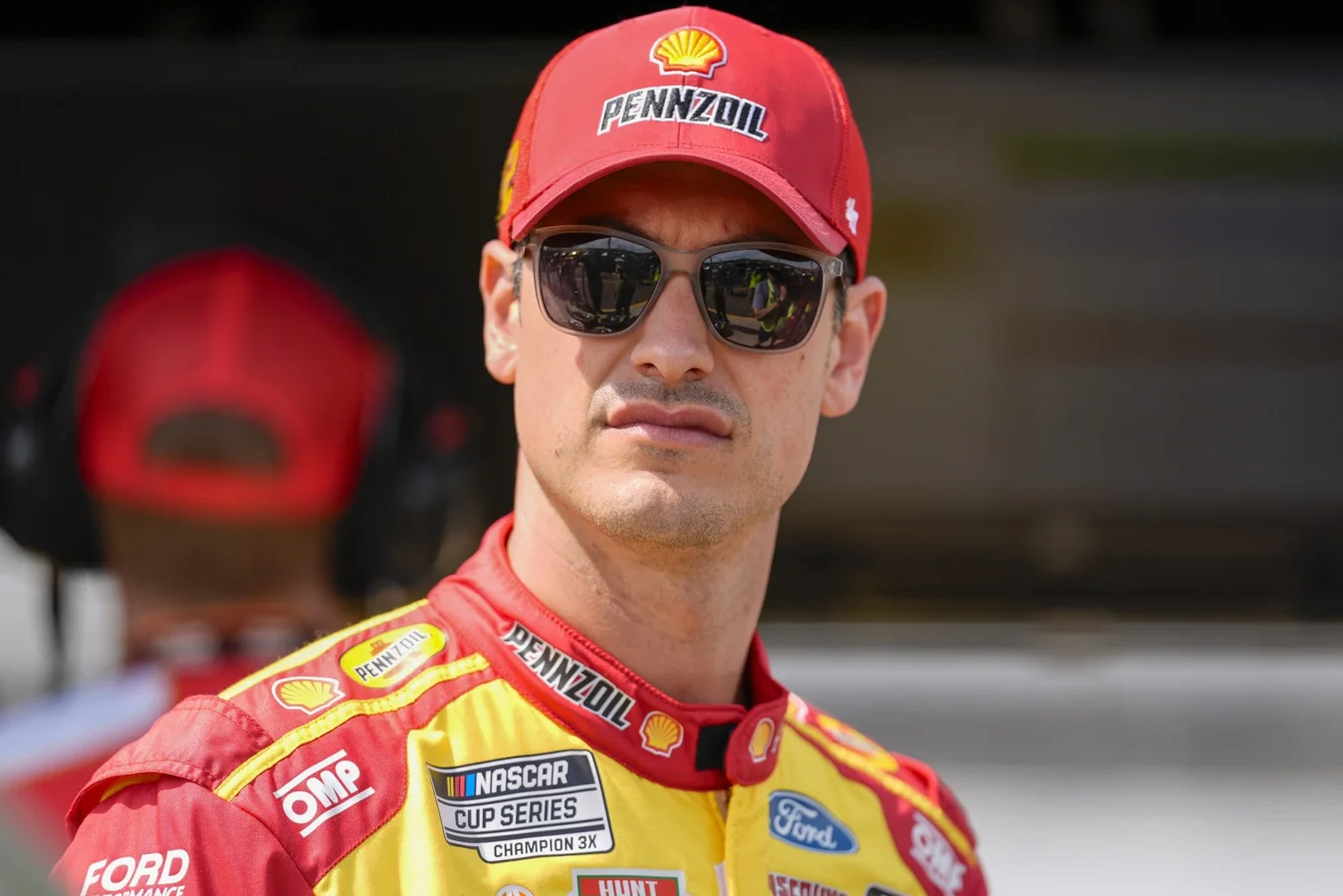
The fact that Earnhardt Jr. outsold contemporary stars—including Chase Elliott, Kyle Larson, and last season’s Cup champion Joey Logano—in merchandise sales signals that the fan base continues to gravitate toward familiar identities instead of current competitors. Junior’s lasting appeal is undeniable, raising the question of how long NASCAR can rely on his image to connect with fans, build television audiences, and attract sponsors.
NASCAR’s Ongoing Identity Crisis
As NASCAR’s partnership with Amazon Prime unfolds and new faces attempt to emerge, the sport’s dependence on legendary drivers like Dale Earnhardt Jr. may present a red flag for the future. The “Junior effect” propels engagement now, but inevitably, a shift will be required. Whether today’s drivers can step into this promotional void and become household names remains uncertain—a pressing concern as the sport seeks to balance tradition with an evolving audience. The question lingers: when nostalgia fades, who will carry NASCAR’s brand forward?