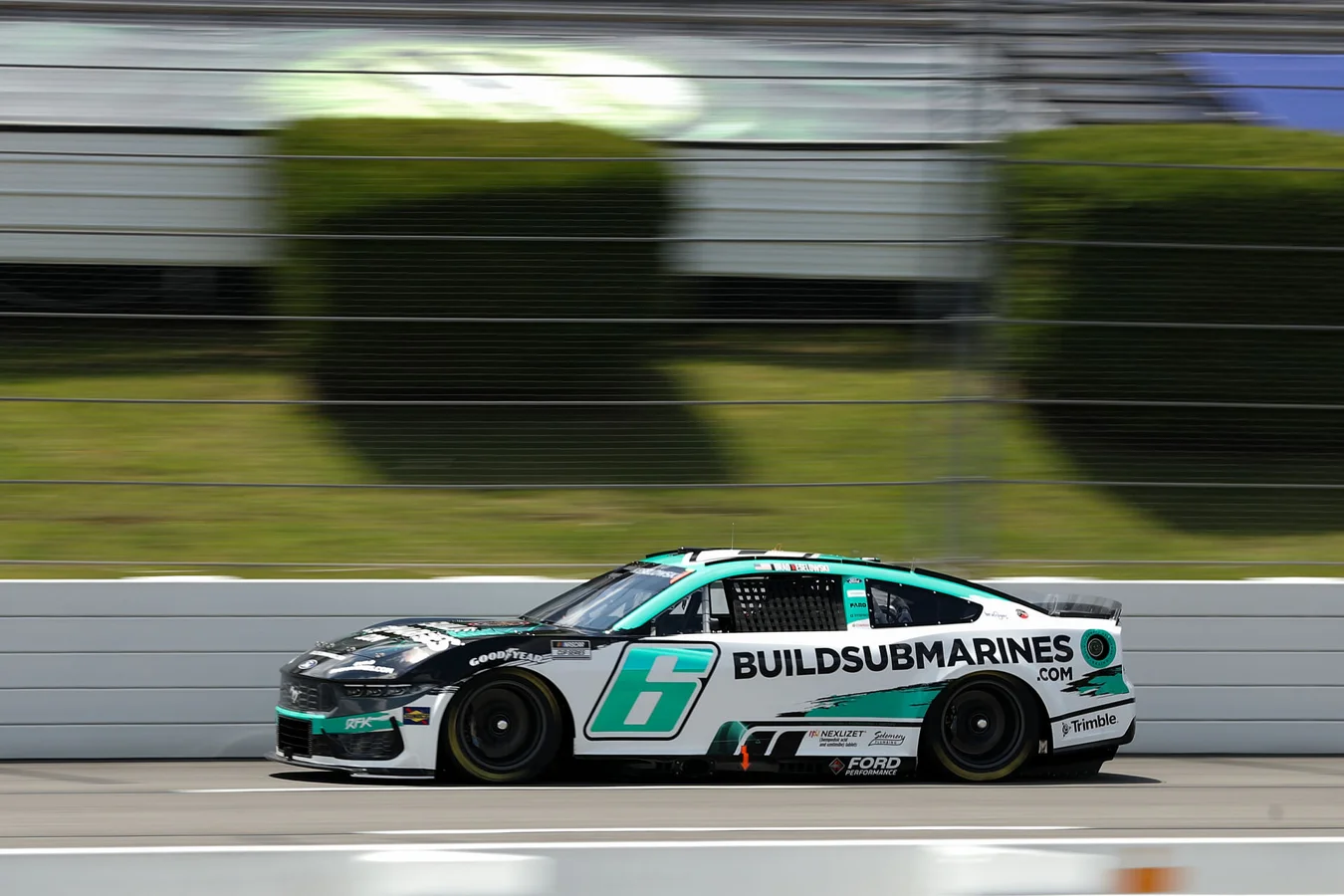
The recent NASCAR race at Pocono saw Brad Keselowski contend with speed, but crucial errors—including a significant penalty—derailed his chances for a top finish. The Brad Keselowski Pocono penalty mistakes became a focal point for NASCAR veteran Kevin Harvick, who criticized Keselowski’s strategic choices and their costly fallout.
Critical Errors Undermine Keselowski’s Strong Pocono Performance
During the event at Pocono, Brad Keselowski demonstrated that he had a competitive car and was carving out good track positions. The situation turned, however, when Keselowski’s missteps began to accumulate. One of the pivotal errors occurred when he entered pit road while it was closed, incurring an immediate penalty after a misread by his team derailed his pit stop entirely.
Kevin Harvick addressed these missteps during his “Kevin Harvick’s Happy Hour” podcast, expressing disappointment with how the sequence played out:
To me, this is just a failure on everybody’s part,
—Kevin Harvick, NASCAR driver and commentator.
I mean, you can blame it on the spotter, you can blame it on the driver, you can blame it on the crew chief. Whoever you want to blame it on, just take your choice.
—Kevin Harvick, NASCAR driver and commentator.
Despite the setback from the closed pit road penalty, Keselowski managed to fight his way back up the field. As the race reached its critical stages, he found himself near the front but decided to delay his next pit stop, extending his time on-track beyond his crew’s initial recommendation.
Strategic Gamble Backfires After On-Track Incident
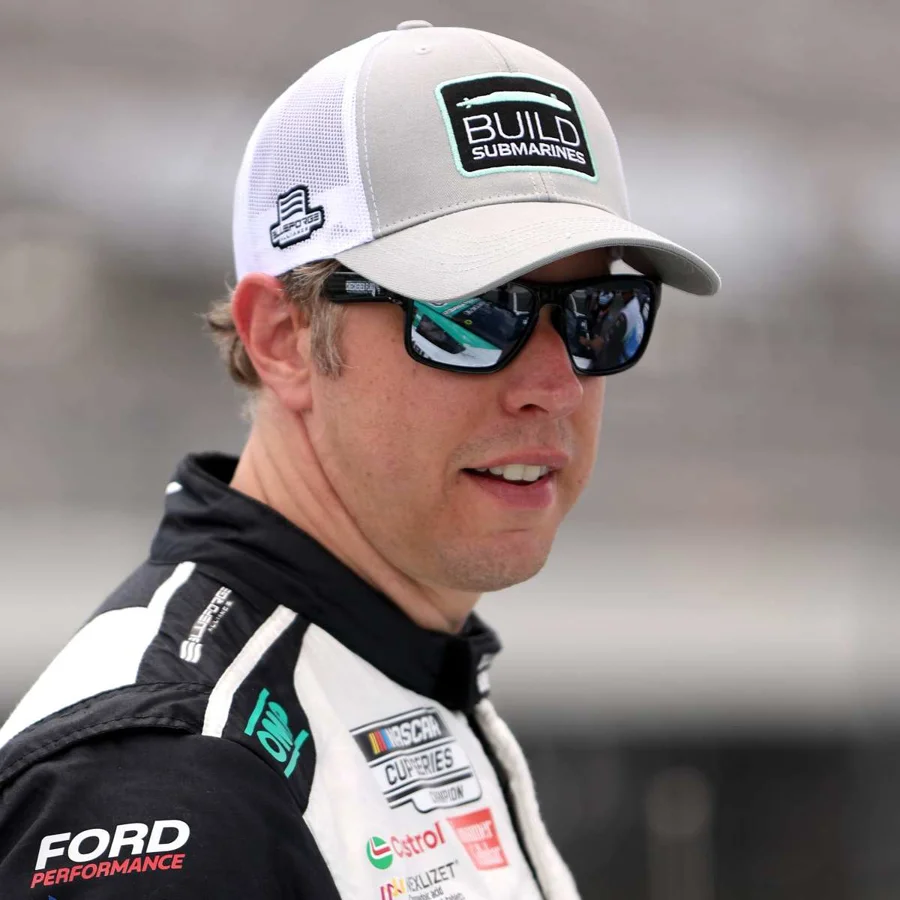
The decision to push the fuel window reflected Keselowski’s intent to maximize his advantage for the closing laps. Choosing independence over the advice from his pit crew, he hoped that staying out would lead to a strategic gain. However, the move backfired after a caution was triggered by a spin involving Shane Van Gisbergen.
Harvick didn’t hold back as he dissected the choice:
I think this is, and I’ve had to learn this lesson and go down this road before too, when you want to become overly involved from the driver’s seat into the strategy and you don’t know all the calculations and numbers… yeah, I think that’s an error on Brad’s part to get involved in that,
—Kevin Harvick, NASCAR driver and commentator.
It definitely hurt them in this particular situation. But as I went through the last 10 years of my career, I never got involved in the strategy at all. Don’t have the computers, don’t have anything to go along with what is happening.
—Kevin Harvick, NASCAR driver and commentator.
Unique Pressures for Keselowski as Driver-Owner
Brad Keselowski’s position is complicated by his dual role as both driver and team owner, not a typical situation for most competitors on the track. According to Harvick, the dynamic creates additional stress and difficult decision-making at key moments.
That’s a tough scenario when you have the driver and the owner driving the car, but in the end it took him out of contention this week,
—Kevin Harvick, NASCAR driver and commentator.
So you never know how they’ll take it from here.
—Kevin Harvick, NASCAR driver and commentator.
Harvick pressed Keselowski to trust the professionals around him and suggested his involvement in strategic decisions may stem from generational differences in the sport. He argued that modern racing demands a clear division of responsibilities once the driver is buckled in.
I think this is where, when you talk about my generation of guys, and you say ‘OK, what has changed with how today’s NASCAR world works?’
—Kevin Harvick, NASCAR driver and commentator.
Driver needs to butt out. Driver needs to butt out of the strategy. Once you buckle into the car, you’re the driver if you want to get the most success out of it, in my opinion.
—Kevin Harvick, NASCAR driver and commentator.
Looking Ahead for Keselowski and His Team
This heated incident at Pocono has brought national attention to the risks of drivers intervening in race strategy, especially when the pressure is high. With figures like crew chief, pit crew, and team management at play, separating responsibilities is likely to remain a point of debate. Brad Keselowski and his team are left to reflect on a race that could have yielded a strong result, but instead, becomes a cautionary tale about costly calls under pressure. NASCAR’s competitive environment ensures that lessons from Brad Keselowski Pocono penalty mistakes will echo as the season continues, with drivers and teams evaluating how much trust to place in crew strategies moving forward.