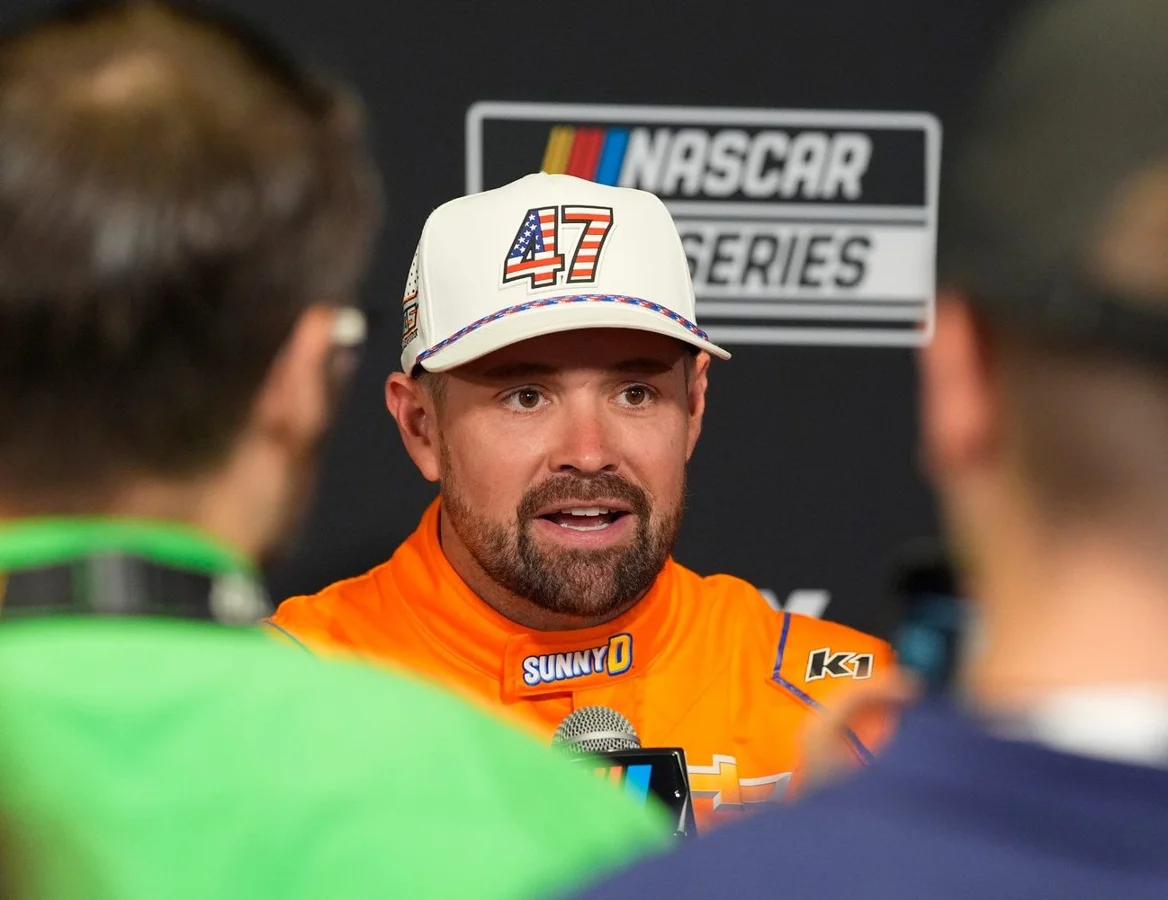
NASCAR is testing a new approach this summer by introducing the In-Season Challenge, where drivers such as Ricky Stenhouse Jr. will compete in a unique, tournament-style format for a $1 million prize. The inaugural event begins Saturday in Atlanta as part of the sport’s ongoing quest to engage fans, draw in younger audiences, and elevate excitement with innovative formats.
This fresh competition sees 32 drivers pitted head-to-head in an elimination bracket, drawing comparisons to the NCAA basketball tournaments. Races over five consecutive weekends, lasting until late July in Indianapolis, will determine a single team to claim the million-dollar reward. The bracketed system brings focused matchups and new strategies into NASCAR’s summer stretch, blending the intensity of playoff-chasing with the drama of knockout battles.
Inside the NASCAR In-Season Challenge Structure
The new format stands apart by creating individual driver matchups—rivalries to watch in real-time—alongside traditional race winner pursuits. The in-season tournament is intended not just to reward performance, but to simplify the sport for new fans and offer a compelling storyline that runs concurrent to the regular points battle. For the first time, NASCAR hopes the mix of playoff stakes and fresh incentives will broaden its reach and renew attention from every corner of the fanbase.
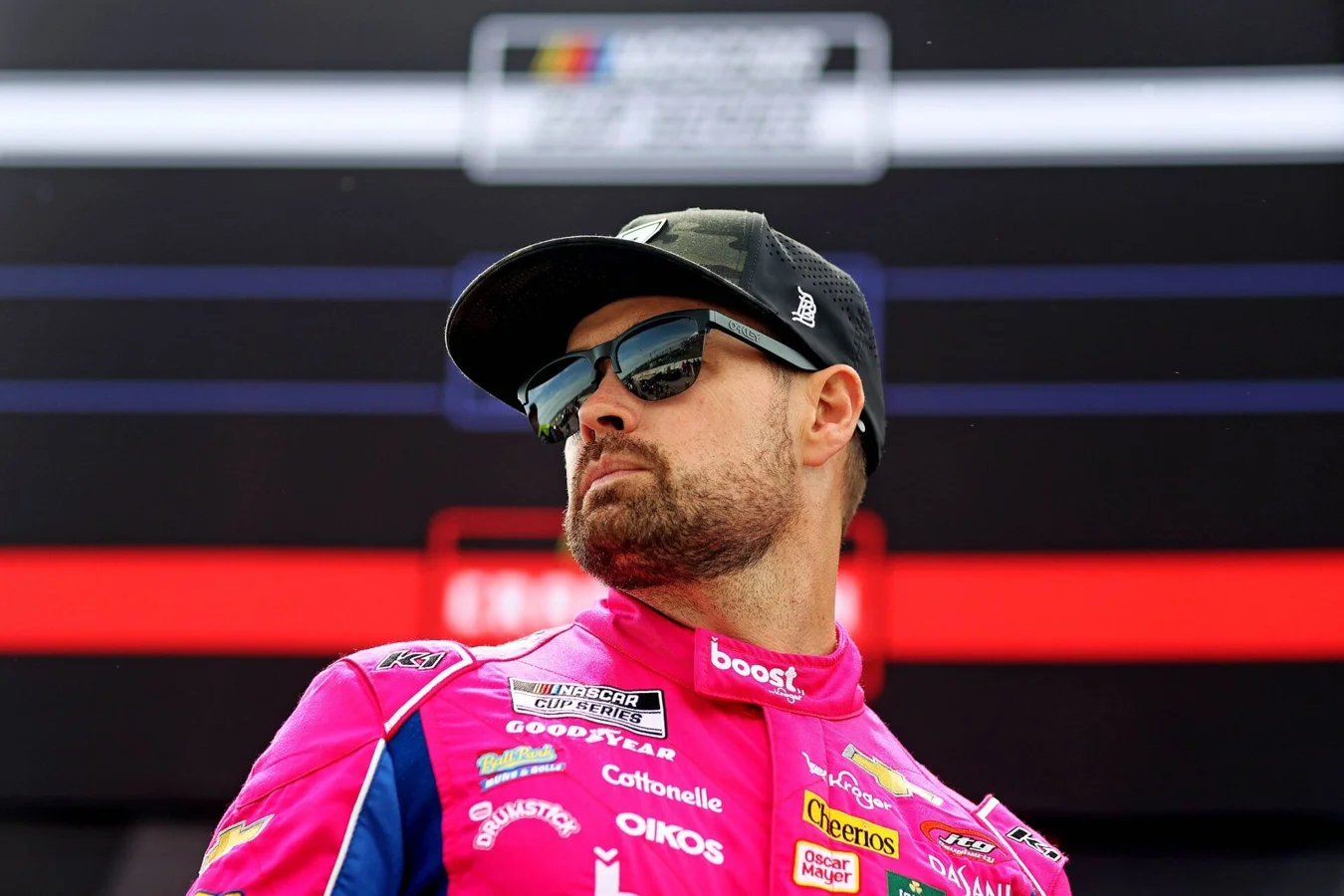
Speaking to the gambling aspect inherent in head-to-head sporting battles, Ricky Stenhouse Jr. offered a candid take:
“For the gamblers, I’m sure they’re gonna be very tuned in,”
— Ricky Stenhouse Jr., NASCAR driver
“I can’t gamble on it, but if I could I’d be interested, right!”
— Ricky Stenhouse Jr., NASCAR driver
While the million-dollar prize undoubtedly adds a new layer of motivation for teams, the traditional aim of the season remains to make the playoffs and compete for the championship. For those like Stenhouse Jr.—who sits 24th in the standings with nine races left until the playoffs—the path to contention requires a win, making each incentive, including the new challenge, more meaningful as the season progresses.
Stenhouse Jr.’s Approach to the Tournament and Broader Impacts
The tournament presents a tension between the allure of short-term rewards and the marathon run for a championship. Ricky Stenhouse Jr. points out that the true focus for most teams continues to be on points. Yet as the rounds progress, teams are likely to give the tournament more attention, recognizing the financial windfall at stake. Drawing from his own position outside the current playoff threshold, Stenhouse Jr. plays both roles: aiming for a surprise deep run in the bracket and keeping ambitions firmly locked on victory lane for a championship shot.
Stenhouse Jr. offered further perspective, reflecting on the significance of this format compared to past attempts at in-season engagement:
“It will be interesting to see how much traction it does get,”
— Ricky Stenhouse Jr., NASCAR driver
“Nobody paid attention to it last year in the sport, because there was no financial benefit from it. There is now, so it’s similar to winning the All-Star Race.”
— Ricky Stenhouse Jr., NASCAR driver
On adjusting race strategies for the tournament, he maintains:
“I don’t think you’re gonna tailor your strategy when it comes down to it. You get through Atlanta, you get through a few of the races doing your thing.”
— Ricky Stenhouse Jr., NASCAR driver
Origins, Seeding, and Influences from Other Sports
The in-season tournament concept was influenced by Denny Hamlin’s Actions Detrimental podcast, which conducted a bracket-style, unofficial points challenge for fun in prior seasons. Only now, with NASCAR’s official format and a significant financial incentive, has the idea been fully realized. The league hopes to generate fan interest similar to international soccer’s cup competitions and recent U.S. sports innovations like the NBA Cup and WNBA’s Commissioner’s Cup.
Teams qualified for the challenge based on their points standing following the Nashville race. However, drivers like Mexico City winner Shane van Gisbergen were excluded despite being in the playoffs, having not ranked among the top 32 at the required checkpoint. Seeding was determined through each driver’s best finishes across three races—Michigan, Mexico City, and Pocono—with additional tiebreakers cascading down to points earned after Pocono. This method, while ambitious, was not without its complications.
Stenhouse Jr. noted the confusion around the process:
“I actually think it was more confusing trying to get seeded.”
— Ricky Stenhouse Jr., NASCAR driver
The bracket culminates in straightforward race-day drama: whoever finishes ahead in a given head-to-head moves on. Denny Hamlin, Chase Briscoe, and Chris Buescher secured the top three seeds as the format debuts, while Ricky Stenhouse Jr. enters as a No. 29 seed, facing No. 4 seed Christopher Bell. The opening battle takes place at Atlanta, a drafting track where Stenhouse Jr. has scored all four of his career victories, adding further intrigue to the initial round.
Adapting to the New Event and Anticipated Reactions
The inaugural Atlanta challenge marks a bold shift for a sport used to traditional points races and playoff races. Stenhouse Jr. acknowledged the uncertainty and excitement, highlighting the evolving focus as the tournament unfolds:
“The first race being Atlanta is wild,”
— Ricky Stenhouse Jr., NASCAR driver
“Once you get through two-three weeks, you’ll start paying attention to it a little bit more.”
— Ricky Stenhouse Jr., NASCAR driver
As fans and participants adapt, the next several weeks will reveal whether this million-dollar gamble fosters consistent engagement, adds new dimensions for teams like Denny Hamlin’s and Chris Buescher’s, and keeps NASCAR in the conversation alongside other American sports integrating in-season tournament action.
Stenhouse Jr. concluded with an emphasis on balancing priorities as the rounds advance:
“For us, we’re focused on points,”
— Ricky Stenhouse Jr., NASCAR driver
“You wanna get the best finish possible, right? But if you do get closer to those end rounds, I think it’s a thing you should pay attention to. As a team, financially, it’s really important to pay attention. $1 million could go a really long way.”
— Ricky Stenhouse Jr., NASCAR driver
What the Tournament Means for NASCAR’s Future
The launch of the In-Season Challenge represents a strategic pivot for NASCAR, following trends in global soccer and leading North American leagues. If successful, it could reshape how teams approach the long summer season, driving up competition and creating new stars out of every bracket surprise. For drivers like Christopher Bell, Chris Buescher, Chase Briscoe, and especially Ricky Stenhouse Jr., the potential to claim both money and momentum could redefine what it means to race through July. The coming races will determine whether the bold wager pays off with deeper fan connection, a sustainable tradition, and a more dramatic path toward the playoffs.