
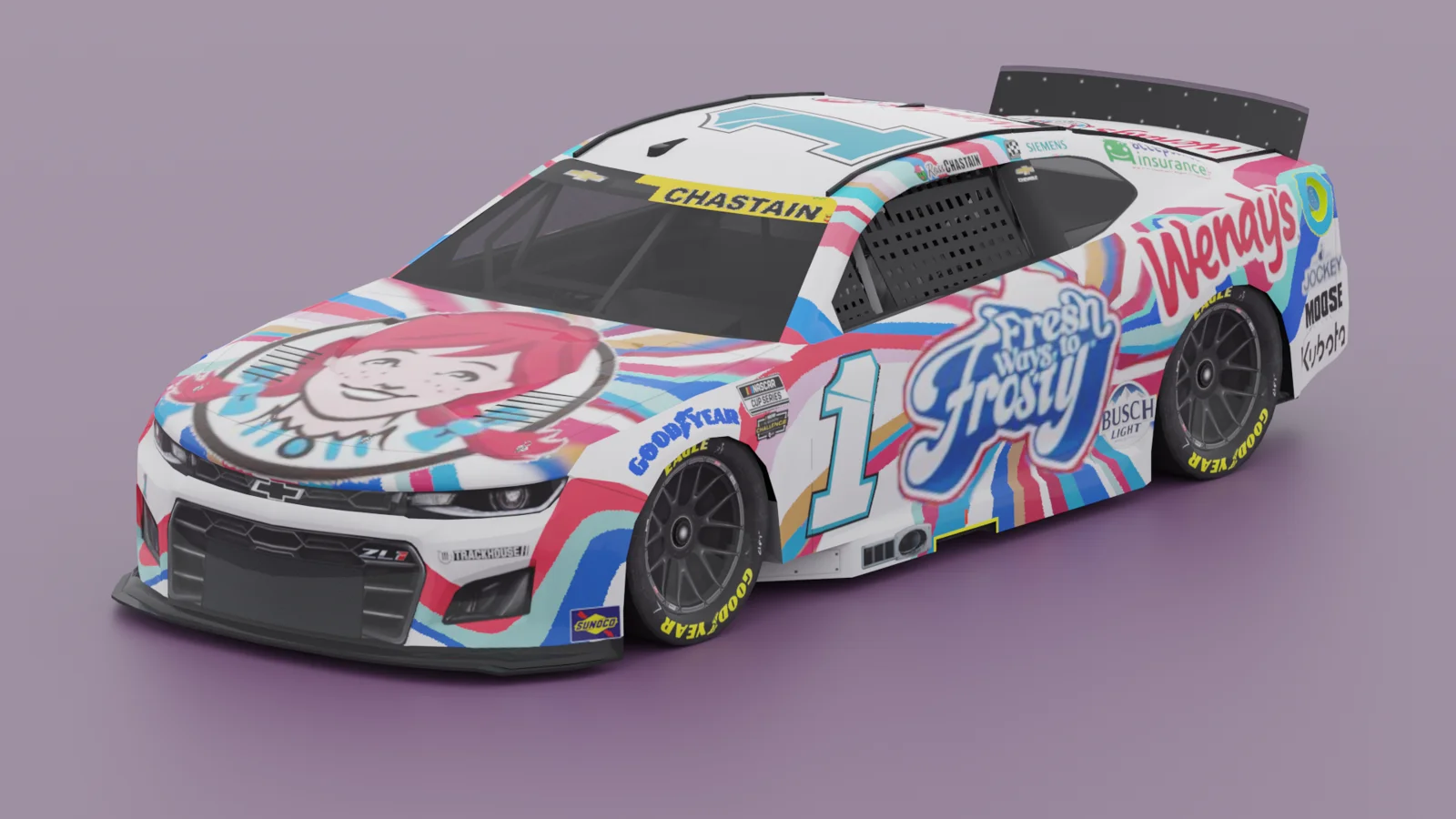
Ross Chastain’s aggressive racing style has been identified by Dale Earnhardt Jr. as a critical element for thriving in NASCAR’s Next-Gen era, along with Joey Logano’s assertive approach. The NASCAR Hall of Famer recently discussed how these standout drivers are reshaping strategies on the racetrack, emphasizing the distinct advantages that come with heightened aggression in today’s car setups.
How Aggression Shapes NASCAR’s Next-Gen Standouts
Joey Logano and Ross Chastain have emerged as leading figures in the Next-Gen era, building reputations as frontrunners through notable performances and championship runs. Chastain has captured two out of three championships since the new era began, while Logano established himself as a consistent title contender with strong showings for Trackhouse.
Dale Earnhardt Jr., respected for his decades on the track and now recognized as a Hall of Famer, pointed to a shared attitude among these drivers that sets them apart. He explained they are willing to deploy a level of selfishness often uncharacteristic among NASCAR drivers, making them more aggressive defenders and formidable opponents. Their “mirror driving” skills—actively blocking and countering moves from competitors—are seen as a pivotal factor on a circuit where passing opportunities remain limited.
The reason why Joey’s good at it, the reason why Chastain’s good at it, is because they’re willing to be the biggest d***heads out there. It’s not engrained in all of us to be selfish, and be purely selfish, but you have to be.
—Dale Earnhardt Jr., via Dale Jr. Download
Earnhardt Jr. noted that this ability to be unapologetically assertive is not universal in the garage; it requires a mindset of prioritizing personal success over relationships on the track. In an environment with few passing windows, this mindset provides a tangible edge.
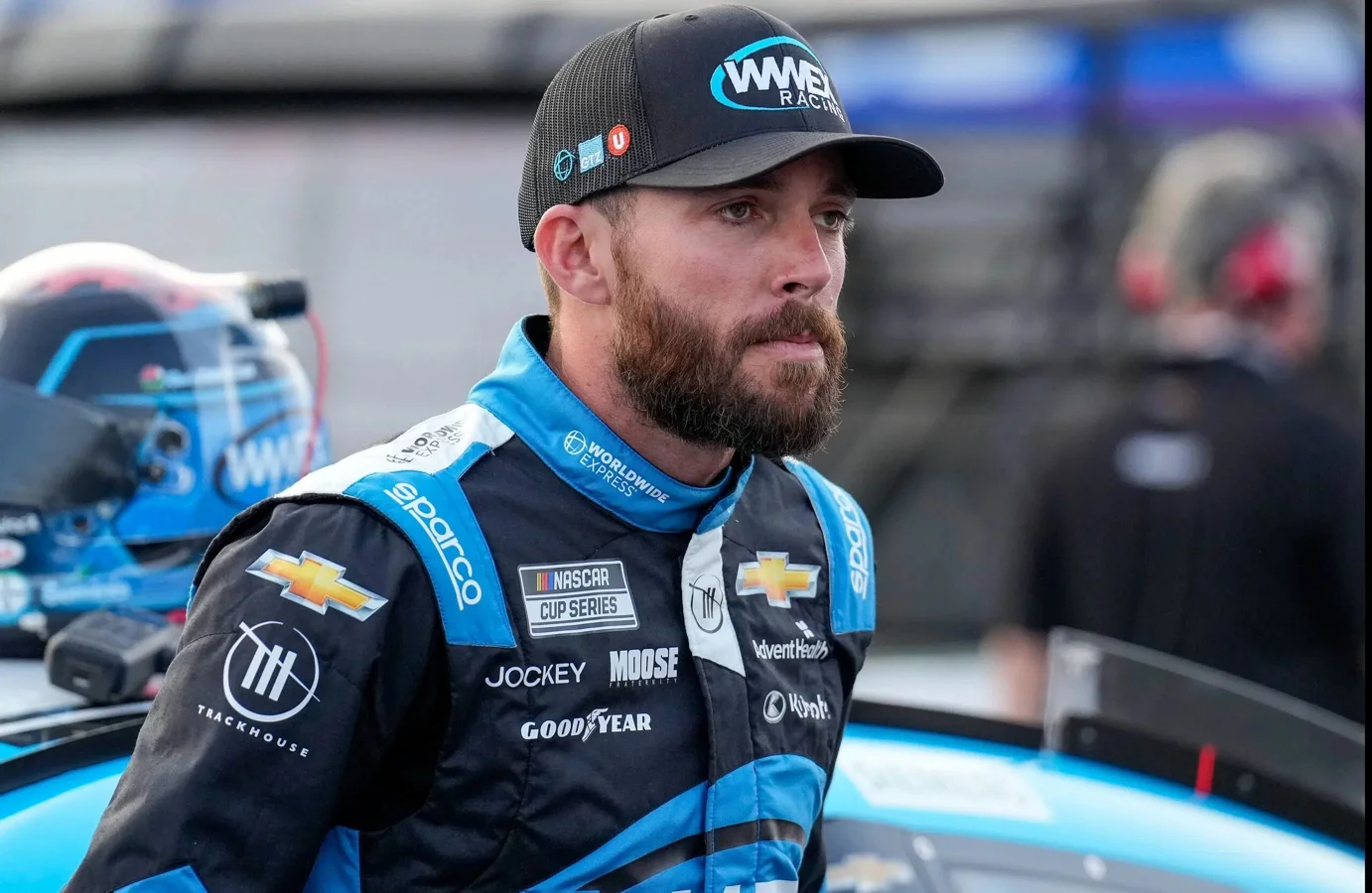
Comparing Styles Across Today’s Top NASCAR Drivers
Other successful drivers in the Next-Gen era—such as Ryan Blaney of Team Penske Racing, Denny Hamlin representing Joe Gibbs Racing, and Kyle Larson, the winningest driver in the recent period—share aspects of this competitive edge. However, their application is known for being more restrained, managing a balance between gritty competition and on-track respect. Christopher Bell and William Byron represent this more composed style, achieving considerable success with a reputation for sportsmanship.
Earnhardt Jr. contrasted these approaches with the mentality displayed by Chastain and Logano, highlighting that the willingness to embrace aggression, even at the cost of popularity among fellow drivers, is a defining trait of current standouts.
Dale Earnhardt Jr.’s Racing Ethos and Personal Experience
Reflecting on his own career, Earnhardt Jr. provided insight into how he navigated the fine line between competitive aggression and maintaining camaraderie. As the son of the legendary ‘Intimidator,’ his racing background was shaped by an expectation to be assertive, yet he often focused on building friendships rather than rivalries.
I always tried — speaking frankly here, I want to be everybody’s buddy. Everywhere I go around the race track on the weekend, I want to be friends with Chase [Briscoe], I want to be friends with everybody. When I raced, I wanted to get out of the car and go, ‘Hey man, that shit was fun. You good? Hope you liked racing me.’
—Dale Earnhardt Jr.
This approach meant working to keep relationships positive in the paddock while still competing fiercely. However, he acknowledged that circumstances changed when racing at famed superspeedways like Daytona and Talladega, tracks known for their high speeds and close quarters. Here, the pressure to perform demanded that even generally amicable drivers must adopt a tougher persona.
Now, we go to Daytona and Talladega, and I would have to tell myself before I got in the car, ‘You’re going to have to be an asshole today…I didn’t do things intentionally like, ‘Screw you guys,’ and run people into the wall, ‘I don’t care about your race,’ but I knew, to be good at Daytona and Talladega, I kind of had to be a bit of a jerk…
—Dale Earnhardt Jr.
At superspeedways, Earnhardt Jr. would consciously prepare to ramp up his competitiveness, recognizing that success sometimes required pushing the boundaries of sportsmanship. He distinguished between intentional antagonism and the strategic toughness demanded by the unique challenges of certain circuits.
The Evolution of Racing Tactics in the Next-Gen Era
The veteran observed a shift in the NASCAR landscape, pointing out that the current Next-Gen cars, with their limited options for passing, have driven more racers to adopt a harder-edged approach. Not only young drivers but veterans like Joey Logano and Ross Chastain have adjusted, becoming more forceful in their pursuit of victory. This heightened aggression, while controversial at times, is increasingly viewed as a necessity for those aiming to stand at the front of the pack.
Earnhardt Jr.’s remarks underline a broader trend in the sport, where drivers are compelled to take greater risks and prioritize wins, even if it means earning reputations as “jerks” on the track. The emerging consensus among insiders is that the willingness to prioritize competitive advantage is a key element separating champions from the rest.
The Road Ahead for NASCAR’s Most Assertive Racers
The ongoing evolution of racing strategy in the Next-Gen era points toward a future where calculated aggression could remain the standard. Standouts like Ross Chastain, Joey Logano, and others are setting a blueprint for success—one that may influence emerging talents such as Christopher Bell, William Byron, and Ryan Blaney.
As Dale Earnhardt Jr. and other veterans have remarked, the sport’s dynamics are prompting even established favorites to periodically adopt more aggressive postures, particularly at high-stakes venues like Daytona and Talladega. How this shift will affect driver rivalries, fan perceptions, and the broader NASCAR culture is a question likely to shape discourse for seasons to come.

