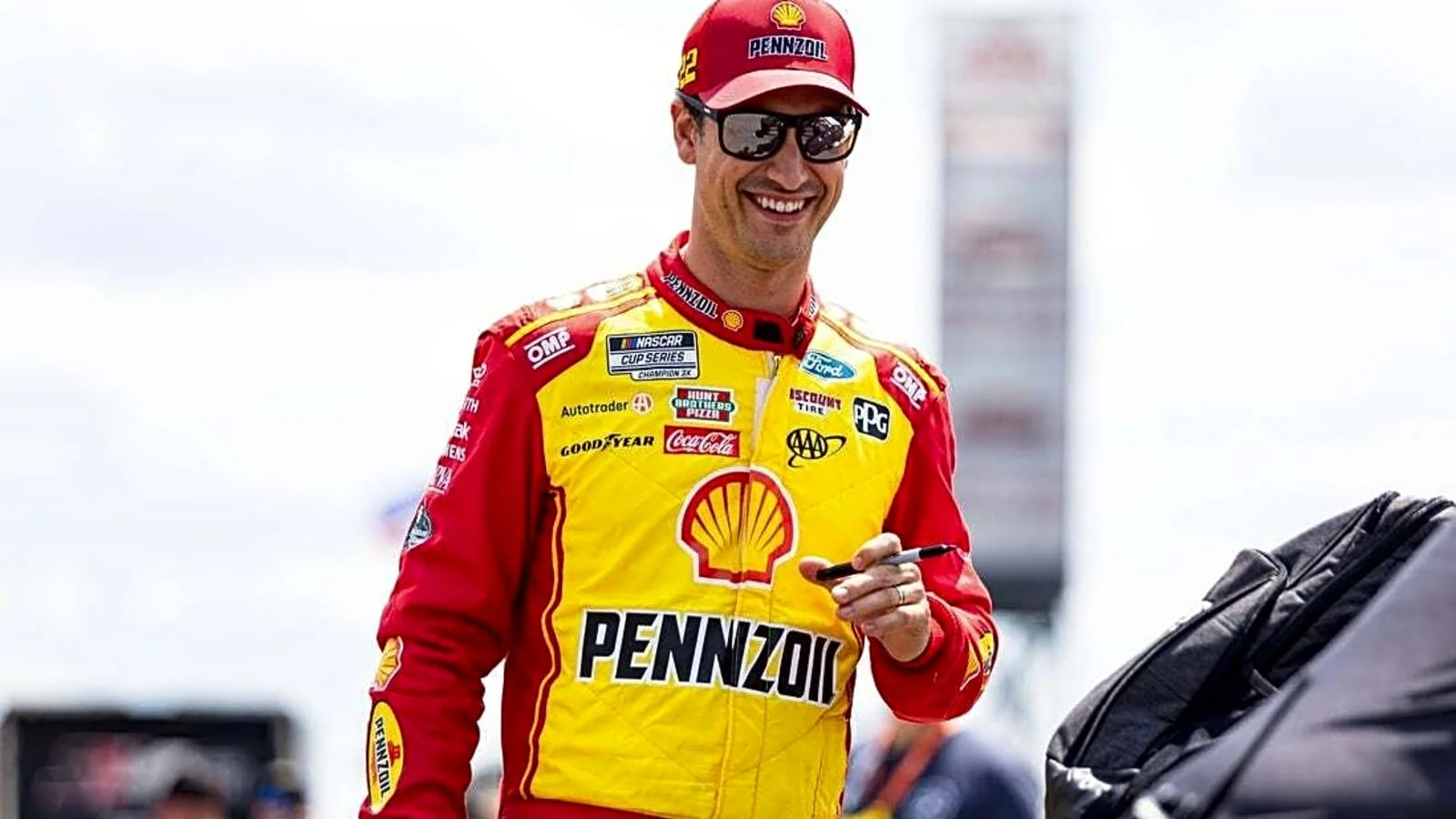
Denny Hamlin provided candid insights into the Joey Logano Atlanta pole strategy following the recent race at EchoPark Speedway in Hampton, Georgia, suggesting that Team Penske’s focus on pure qualifying speed may have set up their own downfall. As Hamlin prepares for his double-duty stint ahead of Chicago, his analysis of the Quaker State 400 put the spotlight on risky choices and their consequences among the sport’s top contenders.
Hamlin Dissects Penske’s Push for Pole Position
Hamlin, balancing his roles with Joe Gibbs Racing and his 23XI Racing outfit, paused to revisit how the race unfolded, particularly focusing on why Joey Logano landed on the pole, even as none of the top-five finishers started higher than sixth. His scrutiny comes after witnessing drivers like Chase Elliott, who started at 15th, maneuver skillfully through the chaos to claim victory, proving that starting position is just one part of the equation.
Ryan Blaney, Logano’s Penske teammate, started third but was swept up in an early pileup, ending his day in last place. Logano’s pole lap was determined after he and Josh Berry posted the same time, but Logano won the tiebreaker, clocking 30.979 seconds at 178.960 mph. Despite this achievement, Hamlin believes the Penske camp’s strategic approach was ultimately flawed.
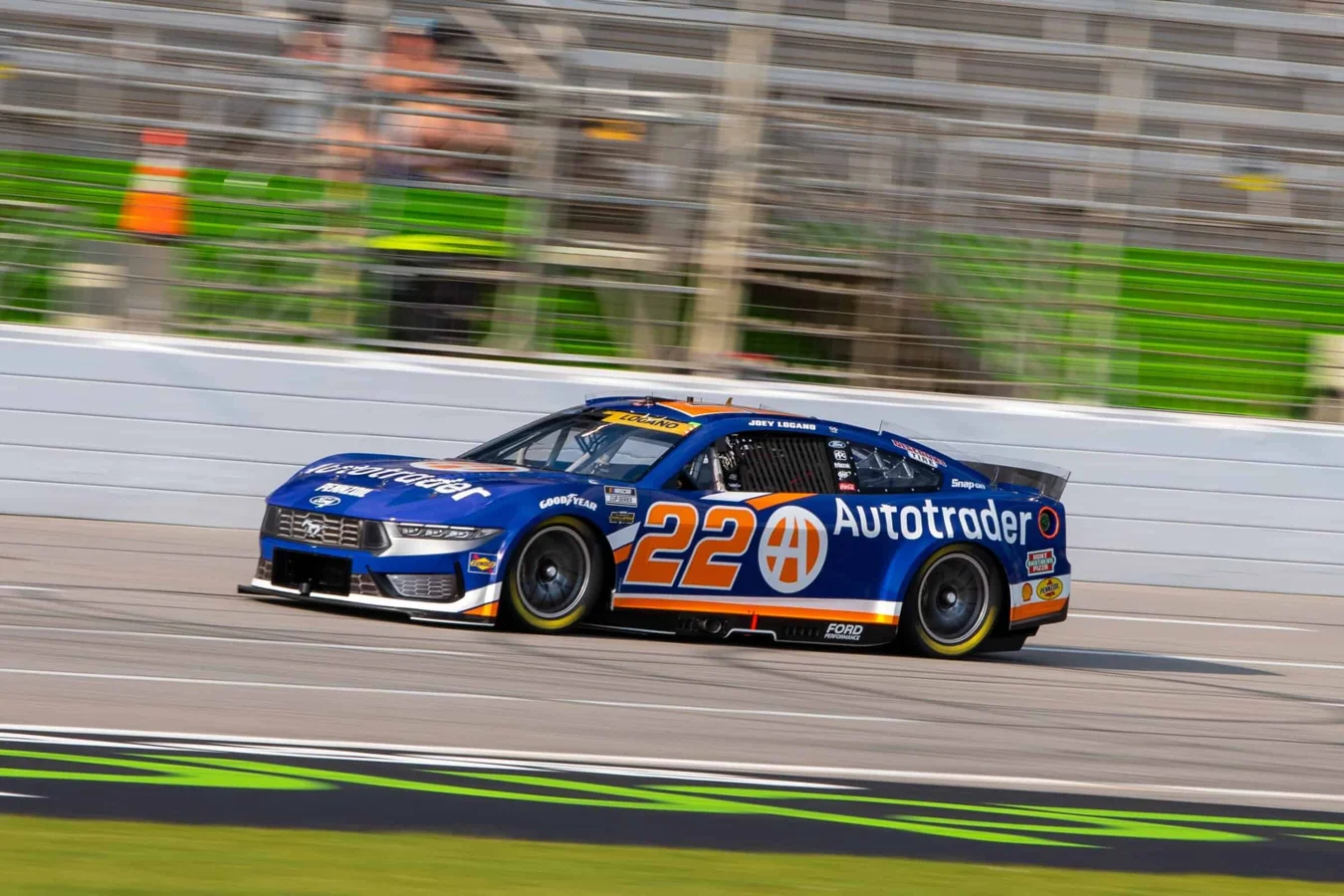
Trading Grip for Short-Term Track Position
Hamlin claimed that Penske’s cars were set up almost solely to win the starting grid, choosing to maximize speed instead of focusing on handling for race conditions.
“Screw the grip. We want to be out front. We want to qualify one, two, three, four, and then control the race from there,”
—Denny Hamlin, Driver/Team Owner His commentary emphasized that while getting out front quickly is tempting, the drawbacks become clear as the race unfolds, especially when clean air is lost and handling in traffic comes into play.
He analyzed the significant advantage Penske’s cars had in qualifying—a tenth of a second gap over the field—which he labeled as meaningful, especially at a track like the 1.54-mile Atlanta oval. Hamlin observed that this advantage didn’t translate to race stability or success once the green flag waved.
“So, to me, that says that they sell out for all-out speed. Don’t really worry about handling too much, which we were going to see had that wreck not happened.”
—Denny Hamlin, Driver/Team Owner
Hamlin speculated whether the Penske group could have retaken the lead had it not been for the major wreck, voicing doubts about their ability to recover once pushed back into the pack.
The Downside of Speed-First Setups
According to Hamlin, while leading in clean air with a fast car can make things seem easy, it’s a different story as soon as a driver falls into the turbulence of fourth or fifth place. The instability in the car builds, and the lack of focus on grip becomes painfully clear, particularly as restarts and late-race incidents disrupt momentum.
Hamlin suggested that the real test for Penske’s drivers would have been to see if they could regain track position after being shuffled back, pointing out how quickly their fortunes turned. By the conclusion of Stage 1, Logano had dropped to third and Blaney to 17th, a swift reversal for those starting so far ahead.
Both drivers’ races ended prematurely during Stage 2 due to a massive multi-car crash. Their aggressive setup, chosen with the hope of controlling the event from the front, was left open to scrutiny as the checkered flag fell without a Penske driver in contention.
Consequences and Lessons Heading into Chicago
Hamlin’s critique of the Joey Logano Atlanta pole strategy underscores the delicate balance teams face between maximizing qualifying performance and ensuring race-day resilience. For Team Penske, their gamble on short-term speed ultimately cost them any shot at victory in Georgia, a lesson likely to influence future strategy as the series heads to Chicago and beyond. The weekend’s events left teams and fans reflecting on whether focusing solely on early track position risks sacrificing the grip and adaptability needed to survive and succeed over the full race distance.