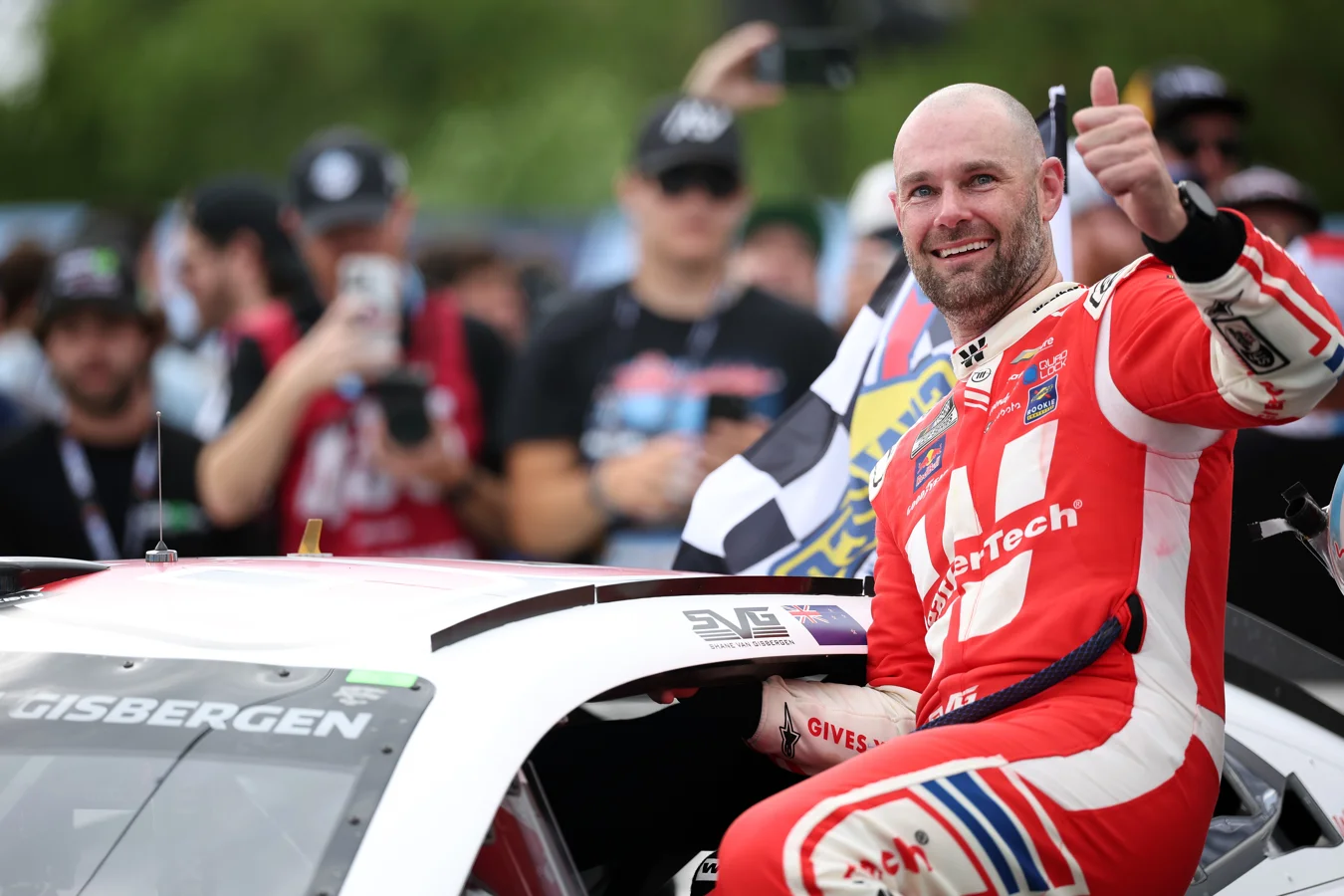
Shane van Gisbergen has pulled back the curtain on the unspoken system behind NASCAR hand gestures, describing a complex, sometimes comical language drivers use that is barely visible to fans. In a recent interview, the Trackhouse Racing driver explained how these hand signals, shaped by the unique construction of NASCAR vehicles, let competitors share everything from harsh frustrations to gestures of camaraderie as races unfold at breakneck speeds.
NASCAR’s Unique Communication on the Track
Shane van Gisbergen, renowned for his Australian Supercars Championship triumphs before transitioning to NASCAR in 2023, has quickly made a name for himself stateside. He clinched victory at the Chicago Street Course in his Cup Series debut and went on to secure multiple wins in the Xfinity Series — all on road courses — while consistently finishing near the front, including a notable third-place showing at the Charlotte Roval.
Yet, the leap into NASCAR was not without its hurdles for van Gisbergen. Even after his early wins, the move from international formats to American stock car racing meant adapting not only his driving style but also the ways drivers interact. When van Gisbergen sat down with Jeff Gluck for the latest edition of the well-known ‘12 Questions’ interview series, he offered new insight into the tactical and emotional language of hand signals — a mode of communication that is, as he points out, enabled by NASCAR’s distinctive NextGen car design.
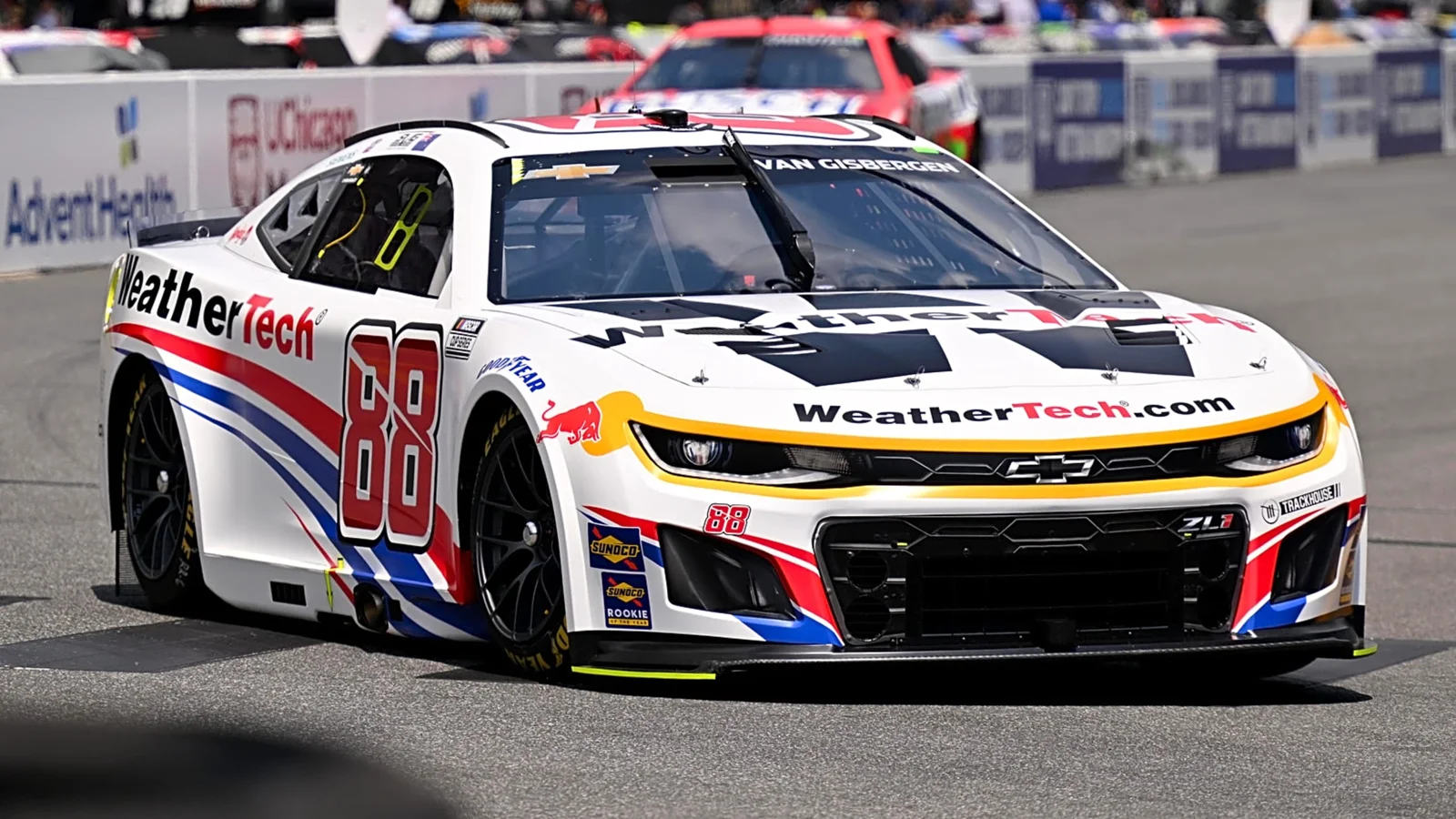
Whereas many racing disciplines limit driver visibility and movement with closed cockpits, the larger windows and open designs of NASCAR vehicles make it possible for drivers to use their hands to express what words – or radios – often cannot, especially in heated moments on the track.
Van Gisbergen’s Take on Gestures: From Fun to Frustration
Asked about his personal policy regarding what is perhaps the most infamous hand gesture in motorsports, van Gisbergen reflected on how his approach to driver communication changed upon entering NASCAR. He offered:
“I’ve only just started doing it because we’ve got windows (in the cars) at home. It’s quite fun here doing it.”
—Shane van Gisbergen, Trackhouse Racing driver
Van Gisbergen admits that while these hand signals are often meant in jest, there are moments when emotions get the better of even the most experienced racers. Recalling a notable incident during a race at Michigan, he recounted how frustration played out between himself and another competitor:
“I actually did it (in Michigan) at someone. They were racing me like an idiot, and then put their hand out at me. So I passed them and then did it back.”
—Shane van Gisbergen, Trackhouse Racing driver
Despite these charged moments, van Gisbergen is quick to clarify that he doesn’t toss these gestures around without reason. He sets personal limits and believes there’s a right and wrong time for more impolite expressions:
“I think it’s pretty rude, though. I don’t want to do that all the time. You only do it when people deserve it, I guess. Or for fun.”
—Shane van Gisbergen, Trackhouse Racing driver
The Hidden Hierarchy: Hand Gestures Fans Rarely See
Interest in these signals extends beyond the racing circle, with spectators and media like Jeff Gluck raising questions about how visible such gestures are. Gluck put the issue plainly:
“It’s hard for us to really see it watching on TV, but you can obviously see when people are doing it?”
—Jeff Gluck, journalist
Van Gisbergen’s response revealed a layered, almost ritualistic system: not all gestures signal anger, and many serve as acts of courtesy or mutual respect when drivers help each other or allow overtaking. In one lighter moment, he delineated the gradations that develop under specific race conditions:
“But you can see some people just put a sly finger out, and then I guess when they’re really angry, the whole hand comes out. (Laughs.) It’s quite funny, because you can’t express yourself in other racing because you’ve got the window. It’s pretty cool.”
—Shane van Gisbergen, Trackhouse Racing driver
These exchanges, shaped as much by the physicality of NASCAR’s windows as by racing etiquette, create a nuanced language that, as van Gisbergen notes with humor, simply isn’t possible in racing series with less driver visibility. The practice, according to the seasoned driver, injects not only personal expression but also levity and humanity into the high-stress world of professional racing.
Why These Hidden Communications Matter in NASCAR
The secret exchange of gestures among drivers like Shane van Gisbergen, Scott McLaughlin, and others introduces a deeper level of interaction within the sport, one not always apparent from the grandstands or through a TV broadcast. This informal code allows drivers to release tension, share a moment of understanding, or assert themselves without uttering a word.
For van Gisbergen, who has competed at the highest levels in both NASCAR and other international series, the permission granted by NASCAR’s car design means conversations on the track can be as spirited as the racing itself. This inside look into the hierarchy of hand signals sheds light on a fundamental but hidden aspect of the NASCAR experience, one that reinforces bonds, settles scores, or just makes the profession a bit more fun, even in the heat of competition. Drivers, spectators, and commentators alike—like Jeff Gluck—now have another layer of the story to consider as they watch the drama unfold from victory lane to the final lap. The next time
“Shane van Gisbergen NASCAR hand gestures”
become a topic in the racing world, fans may find themselves looking just a little more closely at those moving hands behind the glass, searching for the meaning in every fleeting gesture.
Our Reader’s Queries
Q. Why did Shane van Gisbergen quit?
A. Shane van Gisbergen believes leaving Supercars to focus on a NASCAR career was the correct decision. This year, he begins his first full season in the NASCAR Xfinity Series with Kaulig Racing, following 15 years in Supercars.
Q. How much did Shane van Gisbergen win in NASCAR?
A. Stewart-Haas Racing is shutting down after 16 years because they struggled to find sponsors for their four-car team. This exit happens as tension grows between NASCAR and its teams about the sport’s future.