

A legal standoff between NASCAR and two of its rising teams has reached a tense turning point. 23XI Racing and Front Row Motorsports are now racing under court protection, at least temporarily. This comes after the two teams were stripped of their charters in a dramatic dispute over NASCAR’s franchise system. As pressure builds ahead of the August 28 court hearing, the entire NASCAR community watches closely. What happens next could forever change how teams compete—and who gets to.
Charter Dispute: How It All Started
In late 2024, NASCAR proposed a revised charter agreement to teams. While 13 organizations accepted, 23XI Racing and Front Row Motorsports pushed back. The resistance came from deep concerns over what they viewed as anti-competitive practices embedded in NASCAR’s model. In retaliation, NASCAR stripped both of their charters.
Charter status in NASCAR isn’t just symbolic—it’s financial and operational lifeblood. It ensures guaranteed race entries and shares of series-wide revenue. Without it, teams become Open entries, forced to qualify for each race based solely on speed. The move shocked many in the racing world, given the pedigree of both teams. 23XI, co-owned by Denny Hamlin and Michael Jordan, had rapidly established itself as a top-tier contender. FRM, though historically a mid-pack team, had made consistent strides.
The lawsuit soon followed. In October 2024, 23XI and FRM jointly filed an antitrust suit in federal court, naming NASCAR and Chairman Jim France. Their argument: NASCAR’s charter structure was unlawfully restrictive, impeding free market principles and suppressing team independence. NASCAR, for its part, dismissed the claims as meritless and framed the charter system as a stabilizing force in the sport.
Courtroom Maneuvers and the August 28 Hearing
The teams’ initial legal win came in December 2024, when a judge granted them temporary charter status. But that victory was short-lived. In June 2025, a three-judge appellate panel overturned the decision, siding with NASCAR and leaving 23XI and FRM vulnerable.
Now, in a critical pivot, U.S. District Court Judge Kenneth Bell has granted temporary protections until a new ruling is made. Set for August 28, 2025, the preliminary injunction hearing will determine whether the two teams can retain charter-like treatment for the rest of the season.
Until then, 23XI and FRM cannot be excluded from races, even as Open entries. Furthermore, NASCAR is barred from selling or reallocating the disputed charters during this time. That clause may prove just as valuable as race access, preserving the potential for the teams to reclaim their original status in full.
Preliminary injunction hearing set for August 28. Judge indicates that 23XI and Front Row will be guaranteed spots in races up until a decision on preliminary injunction and that NASCAR won’t sell charters until a decision as well. pic.twitter.com/nzgnu9lx8j
— Bob Pockrass (@bobpockrass) July 22, 2025
Should the injunction be granted again, it could shape not only the end of the 2025 season, but also the trajectory of franchise rights in NASCAR moving forward.

NASCAR’s Position: Holding the Line
NASCAR is not backing down. It has aggressively defended the charter system, instituted in 2016, as essential to business stability. The model provides teams with predictable revenue streams, a key point in attracting sponsors and investors.
In a statement responding to the recent court order, NASCAR warned that the lawsuit “jeopardizes the collective unity” among charter-holding teams and casts doubt on the sport’s long-term health. It pointed to recent agreements with 13 teams as proof that the system works and is widely accepted.
To counterbalance the lawsuit’s immediate effects, NASCAR has floated policy adjustments. One such measure is a field structure allowing 30 guaranteed starters (chartered teams) and 10 Open entries. In theory, this would give teams like 23XI and FRM a better chance to make races even without formal charters. Races like the recent summer event at Dover had fewer than 40 entries, meaning exclusion was unlikely—at least for now.
Still, those changes haven’t quieted concerns from the plaintiffs. Their legal team, led by Jeffrey Kessler, continues to challenge the validity of NASCAR’s no-lawsuit clause, asserting it violates core antitrust protections. According to them, even with fewer immediate risks, the structural imbalance remains.

Impacts Beyond the Track
For 23XI and FRM, the legal limbo affects more than just grid position. Charter status plays a major role in long-term sponsorships, driver contracts, and team investment. Without it, operations become riskier, and growth becomes harder to sustain.
Drivers like Bubba Wallace and Tyler Reddick have remained competitive, but the legal cloud hanging overhead complicates both performance and planning. With the regular season winding down and the playoffs set to begin August 31, the August 28 hearing is perfectly timed—and critically urgent.
For NASCAR, the risks are equally high. If the court rules against them, the sport could be forced to rework its franchise model. That might open the door to more independent ownership structures or even a rollback of centralized control.
It’s a scenario with few precedents in American motorsports. But one thing is clear: the outcome will reverberate across the industry for years to come.
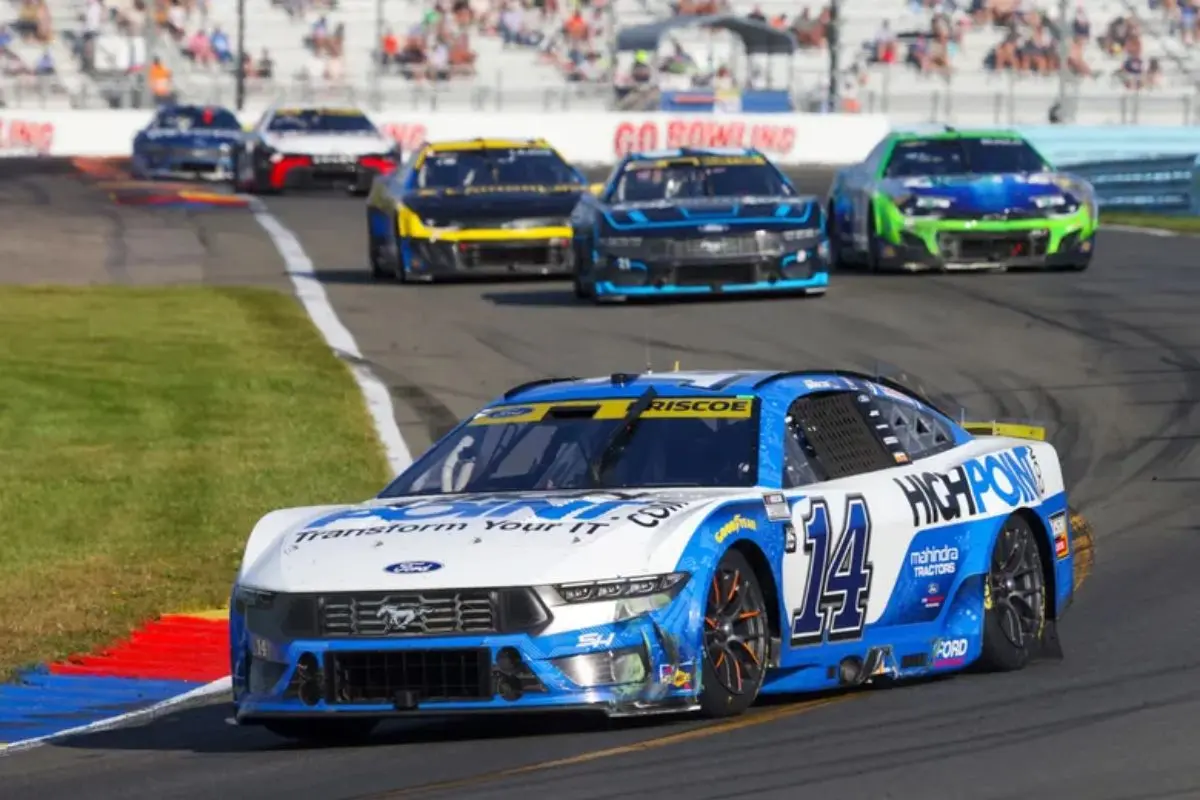
News in Brief: NASCAR Teams Gain Key Benefit in Lawsuit
23XI Racing and Front Row Motorsports have gained temporary court protection allowing them to compete in all races despite being stripped of charters. A federal court will decide on August 28 whether they can be reinstated as chartered teams through the playoffs. NASCAR has frozen charter transactions involving the two organizations and maintains its stance that the lawsuit is without merit. The legal outcome could redefine NASCAR’s franchise system.
ALSO READ: 23XI Racing Celebrates While Battling for Survival Amid NASCAR Legal Clash

