
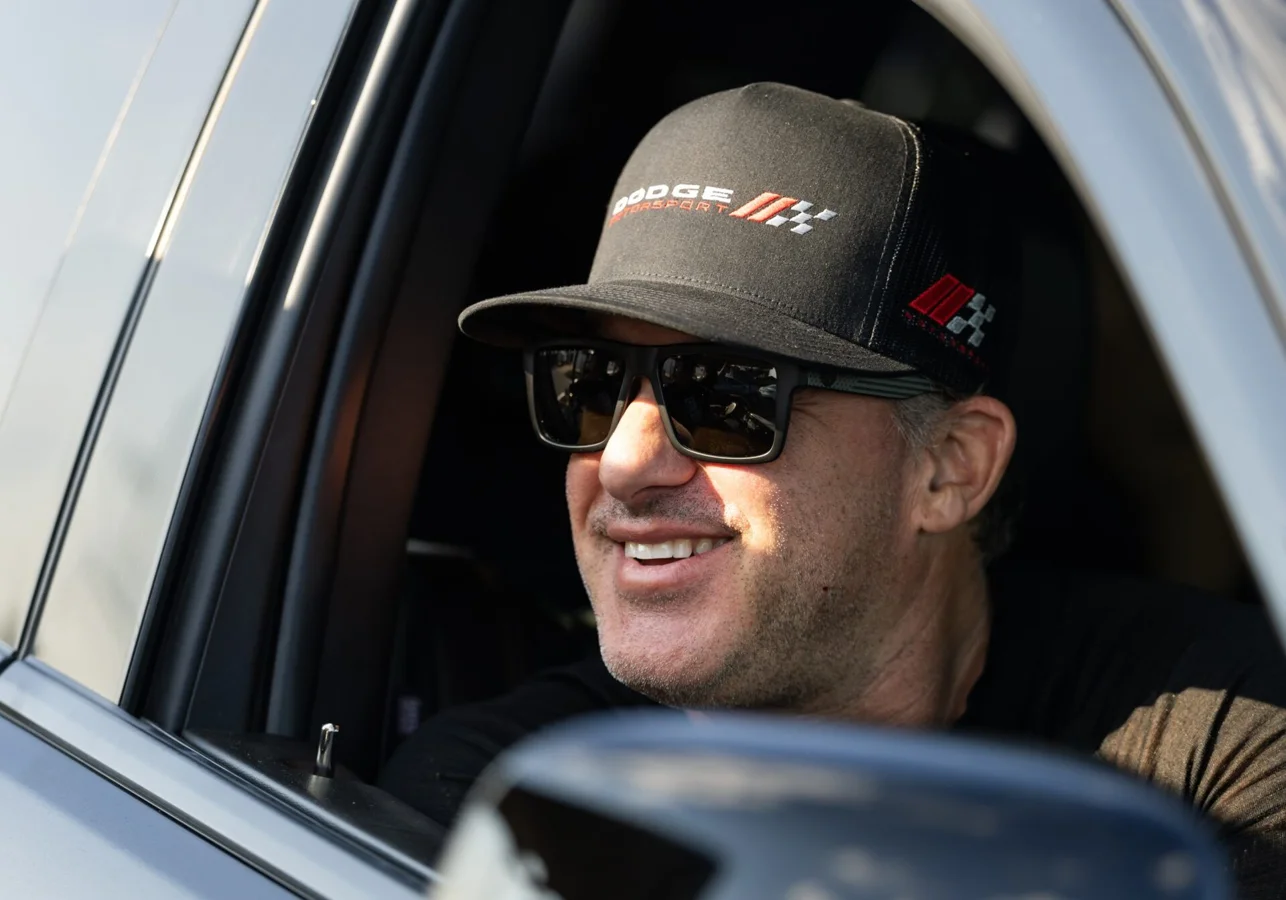
In 2012, Danica Patrick made a highly discussed transition from IndyCar to NASCAR, a move that drew immediate feedback from Stewart-Haas Racing boss Tony Stewart. This significant change, highlighted by Stewart’s observations, placed the focus on Patrick’s growth and challenges in her debut stock car season, centering attention on Tony Stewart on Danica Patrick NASCAR transition during a pivotal period in American motorsports.
Danica Patrick’s Leap From IndyCar to NASCAR
Danica Patrick, celebrated for her groundbreaking achievements in IndyCar, set out to make her mark in NASCAR in the 2012 season. Her decision to shift racing series carried notable complexity, as switching disciplines often comes with challenges unique to each form of motorsport. Despite her aspirations to mirror her IndyCar successes, Patrick faced notable difficulties adapting to the world of stock car racing, particularly during her first full season in 2013, where she finished only 12 out of 36 races on the lead lap.
Tony Stewart’s Perspective on Patrick’s Performance
Tony Stewart, leading the Stewart-Haas Racing team at the time, addressed Patrick’s rookie year with cautious optimism. In a detailed 2013 interview with Autoweek, Stewart acknowledged Patrick’s attention to detail and potential while emphasizing areas where improvement was necessary for the Wisconsin driver, just beginning her stock car journey.
“I see room for improvement, but I see a lot of potential,”
he said, praising her attention to detail. —Tony Stewart, Team Owner
“I think she realizes to a certain degree she took a big bite doing this as early as she did, and I think everybody’s judging of her, grading of her—I think you have to look at how much time she’s really had in a stock car. The time she’s been in a stock car, she’s done a pretty good job. I value it for what it is, not necessarily the result at the end of the day.”
—Tony Stewart, Team Owner
Despite a season that fell short of expectations, Patrick set a milestone by becoming the first woman to secure pole position at the Daytona 500, where she claimed her only top-10 finish that year, marking a significant achievement for both herself and Stewart-Haas Racing.
Danica Patrick Reflects on Adjusting to Stock Car Racing
Experiencing a challenging start to her NASCAR chapter, Patrick offered her own analysis of adapting to the high demands of stock car racing. Participating in the same 2013 Autoweek interview, she candidly discussed how gaining confidence and pushing to the car’s limit had not come easily during her rookie season.
“When you need to get to the very limit of the car, especially when things are challenging, is when it shows up. Like first laps of practice, or qualifying, restarts, start of a green flag run — all the things when you are testing the limit and having to be confident and know the limits. I don’t know them yet, and I’m not confident,”
she said. —Danica Patrick, Driver
“When the car is right, it’s all good, I will gain spots. There is a big contrast in those moments.”
—Danica Patrick, Driver
Patrick’s season-best result came early at the Daytona 500 with an eighth-place finish—a highlight that contrasted with a year otherwise marked by learning experiences and adaptation. Though she did not meet the high expectations set by fans and the racing community, her resilience defined her rookie year.
Continuing Impact and Legacy in NASCAR
After 2013, Danica Patrick continued to compete in NASCAR, steadily earning several more top-10 finishes during her over five-year tenure with Stewart-Haas Racing. While Patrick retired in 2017, her bold entry into stock car racing paved the way for future drivers seeking to cross from open-wheel to stock cars, reinforcing the broadening inclusivity of American motorsports.
The journey of Tony Stewart on Danica Patrick NASCAR transition highlights both the immediate hurdles facing athletes switching disciplines and the long-term potential such moves carry, underscoring the ongoing evolution of talent and opportunity within the racing world.

