

Ryan Blaney NASCAR Next Gen strategy has redefined the way Cup Series drivers handle the toughest traffic conditions, especially as the Next Gen car punishes typical aggressive driving styles. While rivals voice frustration over dirty air and passing woes, Blaney’s unique approach has quietly set him apart on the track.
Throughout the 2023 Cup Series and beyond, the Team Penske driver has turned the infamous traffic challenges into a distinct advantage, making him a consistent threat in the sport’s most tightly-packed races.
Blaney’s Unique Car Setup Outshines Conventional Tactics
When asked by a SiriusXM NASCAR Radio caller whether his rivals were simply complaining about their own struggles in traffic, a glimpse into Blaney’s distinctive philosophy emerged.
I probably run my car freer than most… that gives me the ability to keep the front end a little more positive in traffic… fast cars and probably running a little bit freer helps when we need to come from the back,
—Ryan Blaney, Team Penske driver.
Unlike most of his competitors, who generally set up their Next Gen cars to be tighter and more stable, Blaney and his crew chief Jonathan Hassler bet on a looser overall feel. Their focus remains on optimizing the car’s rotation entering turns, even if it means they must carefully manage the rear tires, especially in clean air situations.
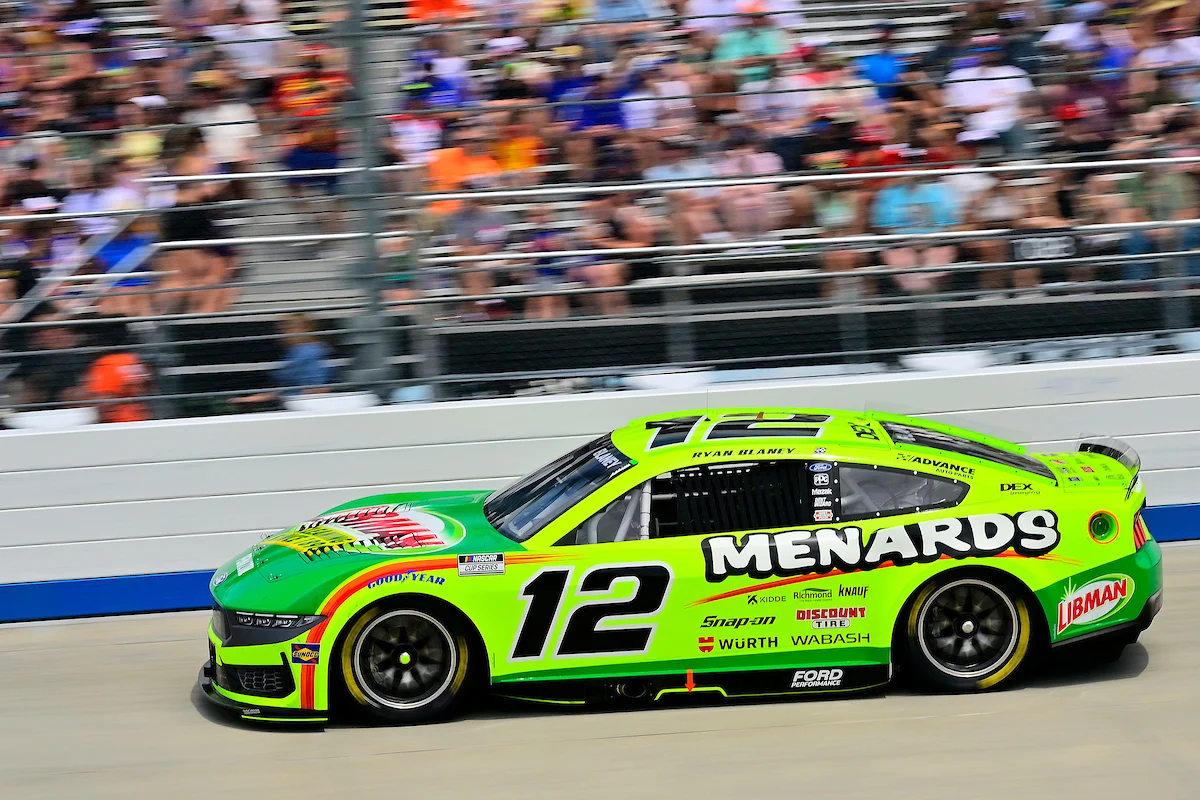
This deliberate setup shift yields a real advantage as races evolve. The “freer” balance allows Blaney to minimize the steering input required, significantly reducing the risk of sliding the front tires when following closely behind rival cars. Paired with Penske’s reliably smooth engines, this approach enables him to reapply the throttle sooner and power out of corners—critical in turbulent air.
Martinsville and Nashville: Showcases of Blaney’s Traffic Dominance
Nowhere has Blaney’s mastery in traffic been more apparent than at Martinsville Speedway. In October 2023, he delivered a dramatic comeback, overcoming a three-second deficit over the final 42 laps, overtaking renowned competitors Kyle Larson and Chase Elliott. Blaney then charged to the front, securing his place in the Championship 4 by leading the last 22 laps, and tallying an impressive plus-eleven net passes in the top ten during that stage.
Blaney followed up with another commanding performance at the same track the following year. Starting the closing run from 10th, he again sliced through the field, moving past Chase Elliott on lap 486 and finishing with a clear margin. His win by more than two seconds left little doubt about the effectiveness of his approach, and these displays were far from mere fortune—they were the result of relentless commitment to his traffic-centric strategy.
The trend continued in June 2025 at the Nashville race. After taking the green flag from 15th position, Blaney patiently advanced, controlling the race late and leading for a total of 107 laps. He ultimately secured the checkered flag with a commanding 2.83-second lead over Carson Hocevar, once again demonstrating the sustained power of his freer setup philosophy.
While rivals, including well-known drivers like Chase Elliott and Kyle Larson, have often lamented the unpredictability and difficulty of the Next Gen car in dense packs, Blaney and Jonathan Hassler have set a fresh benchmark. By embracing what others shy away from, Blaney has emerged as the one driver competitors fear the most whenever tight traffic becomes a factor.
The ongoing results speak volumes, positioning Blaney as one of the few who have converted the much-dreaded trade-off of the Next Gen package into repeated success. As the Next Gen era unfolds, Team Penske and Blaney’s willingness to challenge conventional setup wisdom is likely to influence strategies across NASCAR’s top teams, particularly at challenging tracks like Martinsville Speedway and Nashville.

