

NASCAR’s recent move to withdraw from major metropolitan markets has prompted a warning from Denny Hamlin, a seasoned driver and team owner. The decision to leave behind cities such as Chicago, New York, and Los Angeles, Hamlin suggests, could jeopardize both future sponsorship revenue and the sport’s growth trajectory, bringing to light the importance of urban presence for sponsors—the main point as Denny Hamlin warns NASCAR on city exits.
The pending 2026 schedule overhaul marks a notable shift for the organization, eliminating the presence of NASCAR in the country’s three largest media markets. This substantial change has led industry figures to question how the sport can maintain momentum, secure crucial sponsor relationships, and sustain long-term expansion without access to metropolitan audiences.
Sponsor Relationships at Stake in Urban Market Departures
From his vantage point as both owner and racer, Hamlin highlighted the economic stakes when speaking at Indianapolis Motor Speedway. His insights underscore how city-based events act as pivotal drivers for team sponsors, serving as essential venues for marketing activation and business engagement.
“It certainly is important from the team owner side,”
—Denny Hamlin, Team Owner and Driver
Among the most affected is Hamlin’s own 23XI Racing team, which found significant marketing success in Chicago. His comments point directly to:
“a big activation place for 23XI in particular,”
—Denny Hamlin, Team Owner and Driver
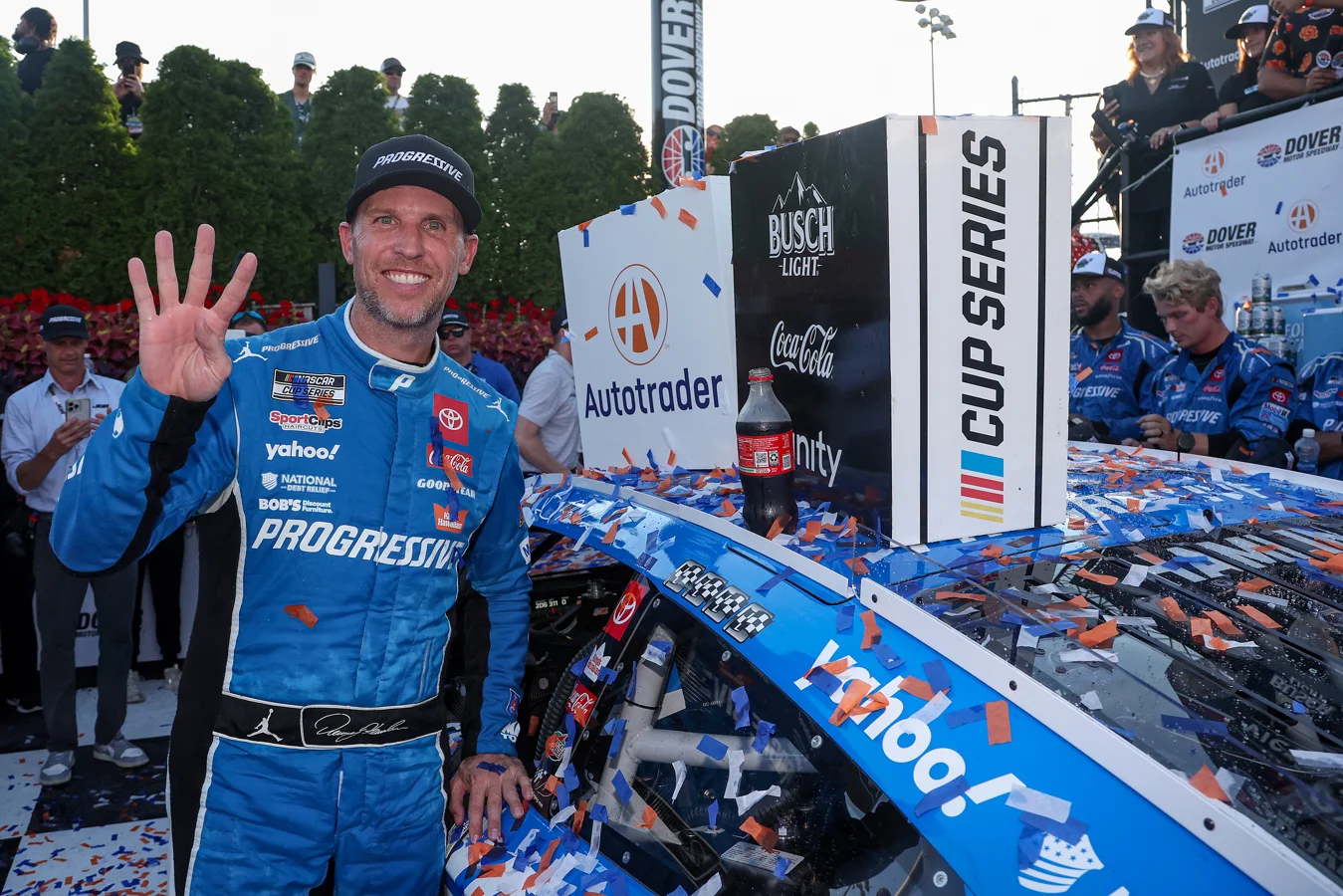
Large sponsors like McDonald’s, with corporate roots in Chicago, leveraged the event to its full branding potential, while associations with Michael Jordan’s Chicago Bulls reputation brought added exposure. Another major sponsor, Robinhood, gained unique value from the city’s vast audience and media draw, further illustrating how such locales are more than just race venues—they are marketing cornerstones.
For context, the Chicago Street Race not only amplified sponsor interests but brought $128 million in economic impact to the city in 2024. At the same time, NASCAR’s investment—approximately $50 million a year to stage the downtown spectacle—highlights both the serious financial stakes involved and the opportunity cost of stepping away from such markets.
Balancing Logistical Hurdles with Commercial Demands
Hamlin acknowledged that reaching these major cities brings its own set of challenges for NASCAR. Urban areas can be difficult—and costly—locations to hold races, requiring careful planning and significant resources.
“I also understand the challenges of bringing racetracks to those particular cities,”
—Denny Hamlin, Team Owner and Driver
In search of alternatives, the organization has turned to innovative ideas, such as hosting a 2026 race at the San Diego Naval Base. This one-year event is expected to benefit from using established military infrastructure, supporting cost efficiency while preserving NASCAR visibility in Southern California. Yet, because it remains a short-term arrangement, there is uncertainty over whether this model can match the lasting benefits of long-term relationships with major city venues.
Hamlin emphasized that NASCAR’s decision reflects a difficult balancing act, weighing the need for operational practicality against the demands of sponsors and the need to reach broad audiences. The coming 2026 season thus stands as a landmark test for the sport’s leadership and their ability to adapt successfully without losing the financial support vital to teams, sponsors, and the future of NASCAR itself.
As the organization and its stakeholders move forward, the spotlight will remain firmly on whether creative new approaches—like the San Diego event—can offset the absence of established city races and ensure ongoing growth in a changing marketplace.
Our Reader’s Queries
Q. How did Denny Hamlin get so rich?
A. Denny Hamlin started racing full-time in the Cup Series in 2006 with Joe Gibbs Racing. Since then, he’s had an impressive career with 51 Cup Series wins. He’s also won the Daytona 500 three times in 2016, 2019, and 2020, earning millions during his career.
Q. How is Denny Hamlin so rich?
A. Denny Hamlin’s $65 million net worth comes from several sources. He has earned over $100 million from NASCAR contracts and prizes. Endorsement deals with companies like FedEx, Jordan Brand, and Toyota add millions more. He also co-owns 23XI Racing, a franchise now worth more than $100 million.

