
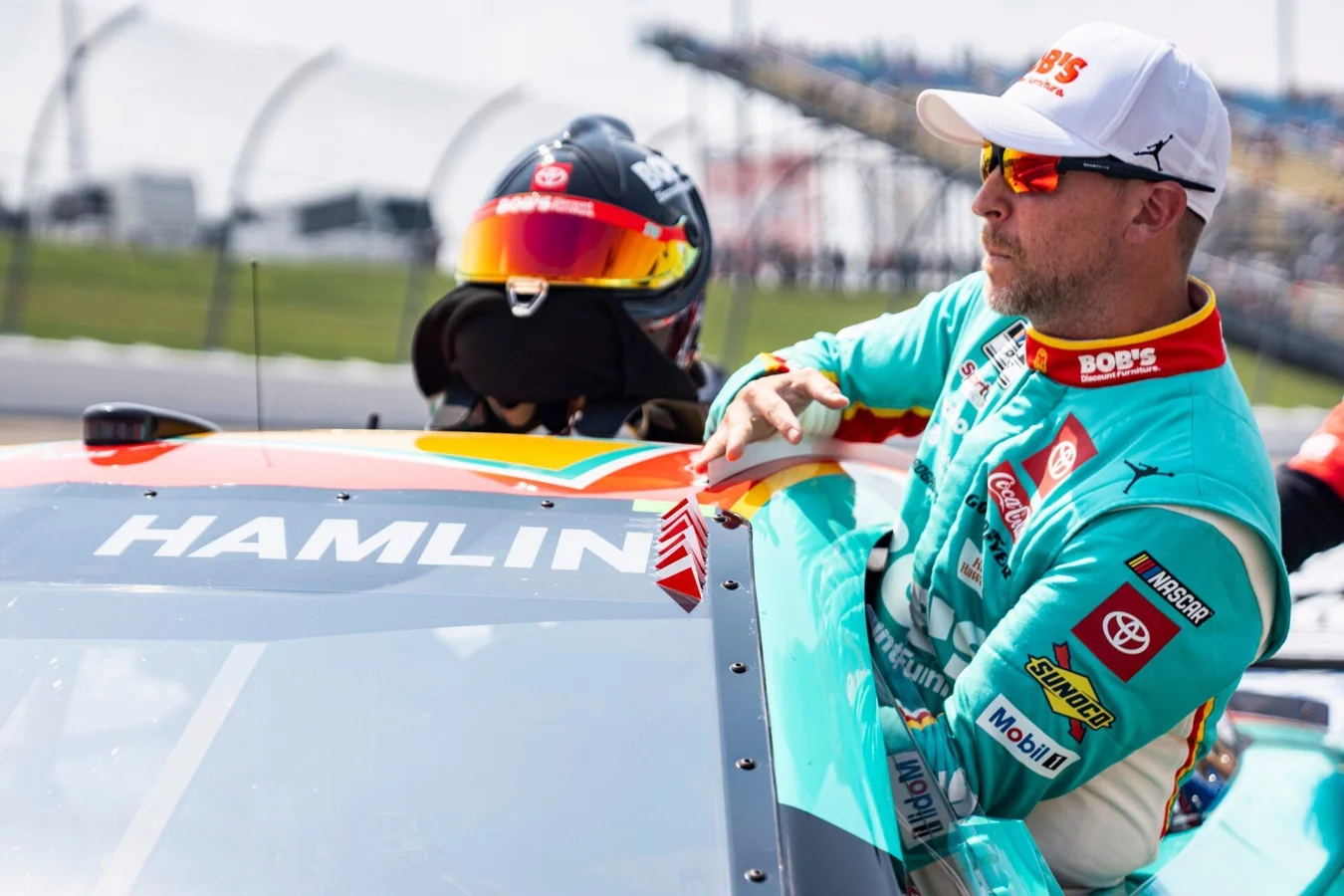
Denny Hamlin defends NASCAR fans in a surprising turn, shaking up his reputation by voicing strong support for the fanbase during a recent episode of his Actions Detrimental podcast. The Joe Gibbs Racing driver, often cast as a villain, gained unexpected admiration after openly challenging industry critics and so-called “NASCAR shills.”
Hamlin Challenges Industry Voices Who Dismiss Fan Criticism
The shift in public perception began when Hamlin directly addressed how NASCAR fans are sometimes portrayed.
“I think that some of the fans are getting labeled as just people who are negative all the time by the NASCAR shills, and that’s just not true.”
—Denny Hamlin, Driver
Hamlin observed that many fans are thoughtfully repeating concerns that mirror what drivers themselves, including Hamlin, are voicing about the evolving difficulties of modern racing. He agreed that motorsport should be tough but stressed it shouldn’t be nearly impossible. This defense resonated with an audience that often feels sidelined, especially when fan opinions are dismissed as negativity. Hamlin’s remarks called out “NASCAR shills”—people described as prioritizing their connections with the organization over honest or balanced critique. This direct approach bridged a longstanding gap between the grandstands and NASCAR’s official narrative.
Adding to the discussion, Hamlin emphasized,
“regurgitating what we [drivers] are saying”
—Denny Hamlin, Driver
Public Reaction: From NASCAR Villain to Supporter of the Fans
For years, Hamlin has built and embraced a polarizing image, frequently drawing boos at major events and even reveling in the controversy, such as after his 2023 win at Bristol in front of a passionate crowd.
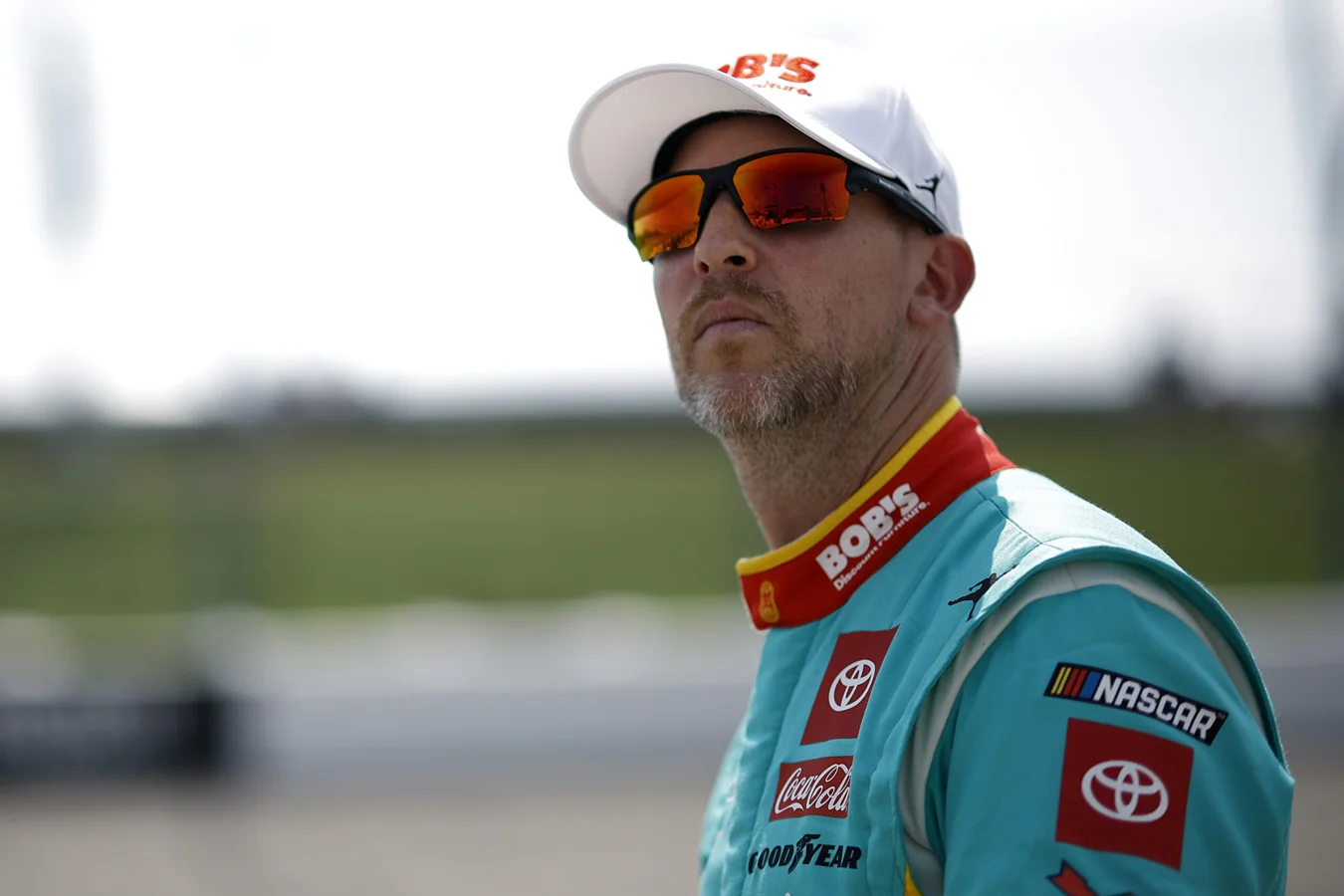
“Daddy, I’m sorry, but I beat your favorite driver, folks”
—Denny Hamlin, Driver
The three-time Daytona 500 winner has openly discussed how being the target of negativity drives his competitive spirit.
“Making people feel a certain way. Positive or negative, I do not care.”
—Denny Hamlin, Driver
“60,000 people that are rooting against you”
—Denny Hamlin, Driver
“feel really, really good and gratifying to prove them wrong.”
—Denny Hamlin, Driver
Despite this villain persona, Hamlin’s recent commentary about fan treatment fostered a rare sense of unity. Media personalities and widely-followed fans on social media acknowledged his willingness to voice truths, even if contentious. The account Opinions on NASCAR, run by William Richard, posted:
“.@dennyhamlin has the sports best interest at heart. I’ve grown to respect him so much both for his on & off the track actions. A real ambassador. A real badass.”
—William Richard, Opinions on NASCAR
Hamlin’s Outspokenness Alters Perceptions
Hamlin’s bold stance prompted individuals who once disagreed with him to reconsider their views. Brandon Dukes, a NASCAR fan, summed up the change:
“As much as I used to dislike @dennyhamlin, he’s really altered my opinion of him the last couple of years. Still not a huge fan on-track, but off-track, he really uses his voice and expertise to speak truth. Respect.”
—Brandon Dukes, Fan
Many now view Hamlin as a sincere advocate rather than merely a disruptor. By openly defending fans and tackling challenging topics that others avoid, he is earning new respect and challenging the stereotype of the indifferent superstar. His forthrightness distinguishes him from media personalities who avoid criticizing the sport, and his shift from polarizing driver to honest spokesperson makes him a notable figure in the eyes of both supporters and longtime skeptics.
The Wider Impact: Authenticity Inspires the NASCAR Community
Hamlin’s frank approach has triggered deeper conversations among racing fans and insiders about the need for honest dialogue in NASCAR. As the debates he sparked continue, both ordinary viewers and leading voices in the sport are engaging with substantive discussions about its direction and integrity. While Hamlin still relishes his on-track rivalry and the boos it brings, his ability to bring supporters and critics together through candor could reshape how drivers, organizations like Joe Gibbs Racing, industry critics, and the fanbase interact in the future.
The events surrounding Hamlin’s latest comments suggest that, beyond his successes at places like Daytona 500 or Bristol, his real legacy may be his willingness to stand with the NASCAR audience and vocalize what many have long felt. This boldness is poised to influence ongoing conversations about the sport, the relationship between athletes and fans, and the value of authenticity in a highly scrutinized industry.

