
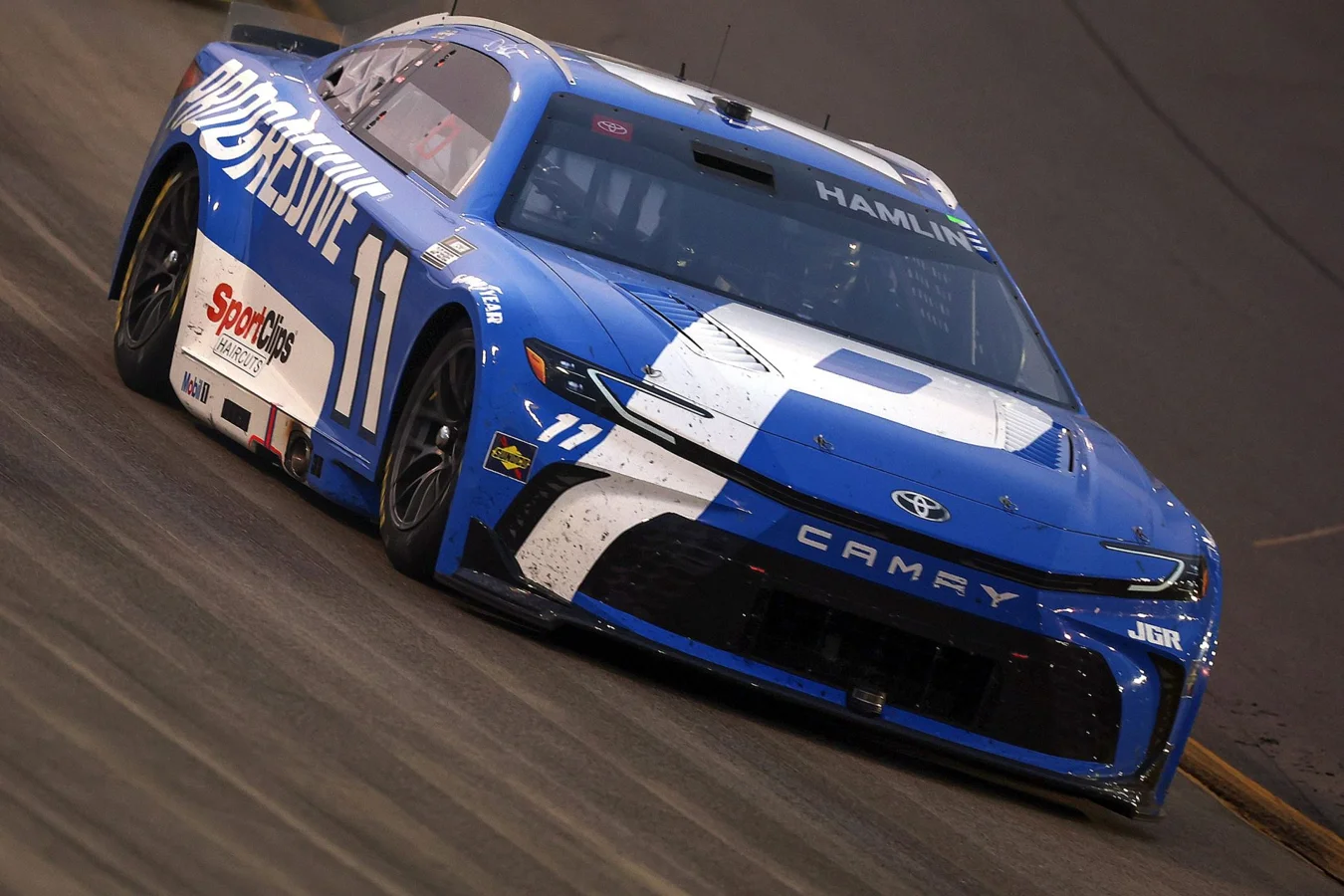
Denny Hamlin, a leading driver and co-owner of 23XI Racing, has intensified his criticism over the NASCAR Next–Gen car, drawing alarming comparisons to the notoriously unpopular Car of Tomorrow era and spotlighting widespread dissatisfaction throughout the community. As calls for reform grow, Hamlin’s remarks underscore rising tension about the car’s performance, shifting the debate over the direction of modern stock car racing—placing Denny Hamlin Next-Gen car criticism at the forefront of industry discourse.
Mounting Concerns Over the Next-Gen Car’s Racing Product
Since NASCAR unveiled the Next–Gen car, its introduction has sparked contentious debates among drivers, teams, and fans. While the stated aim was to modernize the series and increase competition, many—including Denny Hamlin of Joe Gibbs Racing and co-owner of 23XI Racing—claim it has failed to deliver a satisfactory racing product, especially on short tracks. Persistent issues such as diminished overtaking opportunities and aerodynamic disadvantages have led to underwhelming competition. Critics argue that NASCAR’s efforts to address these concerns with minor upgrades have not effectively resolved the root problems drivers face each weekend.
Hamlin’s critique isn’t isolated. Throughout the paddock, drivers from multiple organizations have echoed his worries about the current state of the car. The discussion has grown more heated as frustration rises over what many perceive as superficial attempts at improvement instead of substantial changes to the car’s core design.
Comparison to the Car of Tomorrow Era
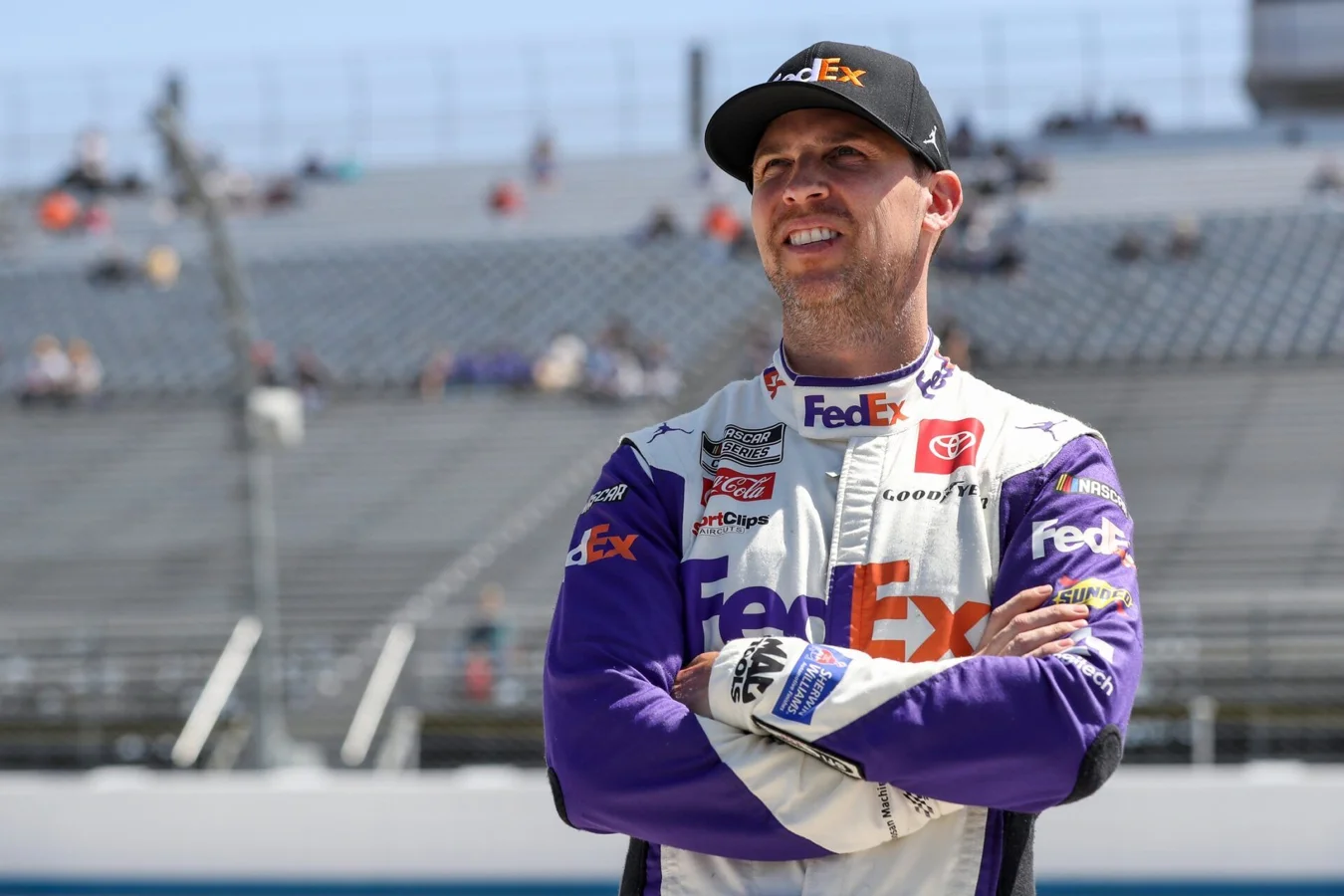
Central to Hamlin’s argument is his assertion that the current level of discontent mirrors the backlash once reserved for the Car of Tomorrow (COT). The COT, introduced in the late 2000s, was derided for its loss of horsepower and controversial aerodynamic direction, which left both drivers and fans disappointed. According to Hamlin, the Next–Gen vehicle is now experiencing equivalent levels of negativity from both those in the garage and in the grandstands.
“I think that we have a fundamental car problem. It is no doubt a problem. Everyone that has ever driven it has said it’s a problem. I believe that the Next Gen car is reaching hate levels of the COT (Car of Tomorrow) with the wing. From fans — I think they’re starting to dislike this car as much as the drivers that have to drive it.”
—Denny Hamlin, Actions Detrimental podcast
The clear parallels Hamlin draws between the two controversial eras underscore his interpretation that ignorance of community feedback only deepens the divide between NASCAR leadership and those most closely involved in the sport.
Debate over Horsepower Reduction and Decision-Making
At the heart of the Denny Hamlin Next–Gen car criticism is NASCAR’s decision to continually reduce horsepower in new vehicle generations. Many drivers, including Hamlin, argue that each successive drop in power has further diminished the quality of racing. This ongoing shift is seen by many as a top-down decision, with leadership prioritizing their own agenda over the input of competitors, worsening the on-track product year after year.
“We’ve just steadily progressed our way back and back and back and back and taken horsepower away more and more and more. These are 10th floor decisions and let’s just say us drivers are on the third floor.”
—Denny Hamlin
Frustrations continue to build as drivers voice concerns with little meaningful response from officials. According to Hamlin and others, this disconnect reinforces a culture in which driver insights are undervalued, intensifying calls within the NASCAR community for a substantial policy reversal and a more inclusive process.
Accusations of Poor Leadership Choices at NASCAR
Expanding on his critique, Hamlin has accused NASCAR of making “horrible decisions” that could threaten the sport’s future. He emphasized that no business, regardless of its legacy, is immune to the consequences of misguided choices. Hamlin’s comments suggest that a pattern of stubbornness from NASCAR’s leadership in resisting feedback could prove detrimental in the long run, hindering the growth and stability of top-tier stock car racing.
“No business is immune to bad decisions. I think that the NASCAR business has made some horrible decisions over the last given amount of time and eventually, it catches up.”
—Denny Hamlin
By equating major strategic errors in racing with missteps made in broader industries, Hamlin highlighted the vulnerability even established organizations like NASCAR face when dismissing internal and external criticism.
“You can’t just say, ‘This is the direction I want to go. Well, why? Well, it’s just the direction I want to go,’ and not eventually have to pay for that. You’re going to have to pay for your bad decision at some point, and this could be said for lots of things that has happened in those offices.”
—Denny Hamlin
Hamlin’s pointed references to the “offices” and decision-makers reflect frustration among not only drivers but also many in the broader racing community who feel their views have been dismissed by those steering the sport from the top floors of NASCAR headquarters. This dissatisfaction is not isolated, as increasing segments of fans and insiders echo his sense that a reckoning may be imminent unless foundational changes are made.
Community Response and Demands for Change
Even as some in the stock car racing community attribute Hamlin’s outspokenness in part to his own disputes—such as those related to the charter lawsuit—a significant portion has rallied behind his message. The overall sentiment is growing increasingly negative regarding the future of the Next–Gen car unless serious revisions are imposed, such as a long-overdue increase in horsepower.
Key figures and voices, including fellow drivers like Kyle Petty and notable teams, have surfaced with similar viewpoints. The issue of diminished horsepower and the lack of authentic stock car feel are recurring themes in the current debate, linking well-known entities, such as the Joe Gibbs Racing (JGR) organization, with the voices of discontent among the drivers and fans alike.
What’s at Stake for NASCAR’s Future?
The intensifying criticism led by personalities like Denny Hamlin—and reinforced by recent discussions on media and fan platforms—serves as a wake-up call for NASCAR leadership. The echoes of the Car of Tomorrow controversy now frame a crossroads: will decision-makers respond to the persistent calls for reform, or risk further alienating the sport’s drivers and loyal fanbase?
The ongoing Denny Hamlin Next–Gen car criticism signals not only a need for technical reevaluation but also a broader shift in how NASCAR must balance modernization with the core elements that have driven the sport’s appeal for generations. As pressure builds for dramatic action, stakeholders throughout the community await concrete responses from those directing the destiny of premier stock car racing in the United States.

