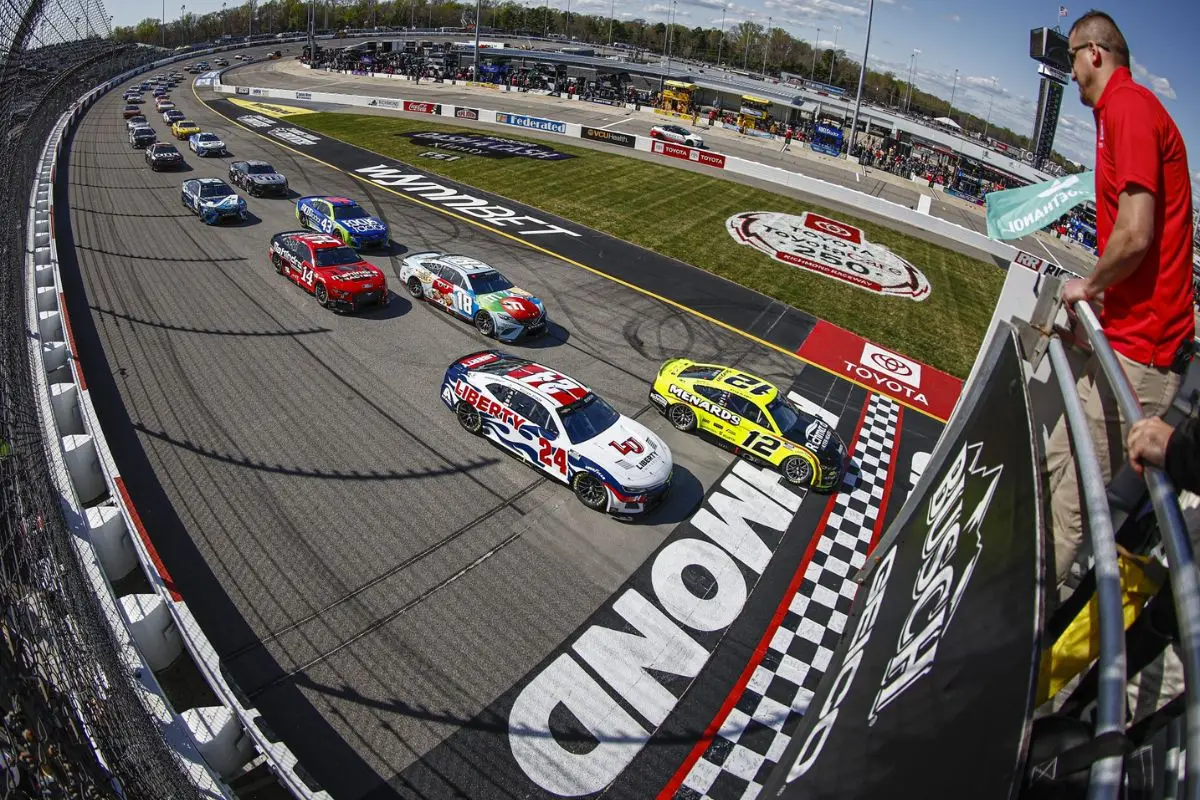
Richmond Raceway stands as a rare mix of history and challenge in NASCAR’s landscape. Located just outside Richmond, Virginia, the 0.75-mile D-shaped oval blends short-track grit with the pace and strategy of a much larger venue. Known as “America’s premier short track,” it has been a proving ground for generations of drivers, with a layout that forces teams to balance aggression and precision. From its dirt beginnings to its current role as a playoff-shaping battleground, Richmond has carved a unique place in racing history.
Key Highlights
-
Richmond Raceway opened as a half-mile dirt track in 1946
-
Rebuilt into a 0.75-mile D-shaped oval in 1988
-
Features 14 degrees of banking in the turns and multiple racing grooves
-
Known for night racing and high tire wear challenges
-
Host to famous moments including Petty’s win streak and the 2013 finish-fixing scandal
From Dirt Beginnings to a Modern Oval
Racing in Richmond began in 1946 on a half-mile dirt track at the Atlantic Rural Exposition. The early years featured open-wheel competition before transitioning to stock cars in 1953, when Lee Petty won the first NASCAR-sanctioned event. Over the following decades, the venue cycled through names such as Virginia State Fairgrounds and Richmond Fairgrounds Raceway, reflecting its evolving role in the sport.
The track’s biggest change came in 1968 when it was paved, bringing faster and smoother racing. Measurement disputes and minor adjustments followed, but the defining transformation arrived in 1988 under Paul Sawyer’s ownership. The old half-mile was retired in favor of the current 0.75-mile, D-shaped oval. This rebuild modernized the facility, expanded seating, and enhanced competition. Night racing became a hallmark after permanent lights were installed in 1991, adding a new dimension to race strategy and spectacle.

A Track Defined by Unique Characteristics
Richmond’s design combines short-track intensity with elements usually found on larger ovals. The D-shape produces sweeping corners and a long front stretch, allowing higher speeds than most tracks of its size. Turns banked at about 14 degrees promote multiple grooves, but grip remains limited enough to challenge handling over long runs.
The asphalt surface, repaved and refined over the years, can wear down tires quickly—especially if not treated with resin or rubber. This forces teams to think several steps ahead on pit strategy. Night races under the lights alter conditions further, as cooler evening air shifts grip levels and demands precise adjustments. The facility seats more than 55,000 fans, and a $30 million infield renovation in 2018 elevated the viewing and team experience.

Iconic Moments in Richmond’s History
Richmond has delivered some of NASCAR’s most memorable races. Richard Petty dominated from 1970 to 1973, winning seven straight events. In 1988, Neil Bonnett won the final race on the old half-mile, capping one era and ushering in the D-shaped oval. The 1986 race saw a fierce battle between Darrell Waltrip and Dale Earnhardt end in a crash, handing Kyle Petty a breakthrough win.
Controversy also has a place in Richmond lore, most notably the 2013 “finish-fixing” incident that altered the playoff field and led NASCAR to tighten regulations. The track enjoyed more than 30 consecutive Cup Series sellouts before the streak ended in 2008, a testament to its enduring fan appeal. Modern standouts like Kyle Busch and Kevin Harvick have each claimed six Cup wins here, with Busch once sweeping both 2018 events.
The Driver’s Challenge
While it is officially a short track, Richmond doesn’t race like Martinsville or Bristol. Its layout and speed require a hybrid approach. Drivers must manage pace like at a superspeedway while handling the traffic and close-quarters racing of a smaller venue. High tire wear makes conservation vital, as worn rubber can drop lap times quickly. Multiple racing grooves encourage side-by-side battles, though passing can tighten up if the surface isn’t treated.
Contact remains part of Richmond’s racing DNA, especially late in events when playoff hopes or wins are on the line. Night conditions shift handling, making crew chief calls on adjustments critical. Pit strategy often determines winners, with the timing of stops and tire choices magnified by late-race cautions.
News in Brief: NASCAR Richmond Raceway’s Legacy
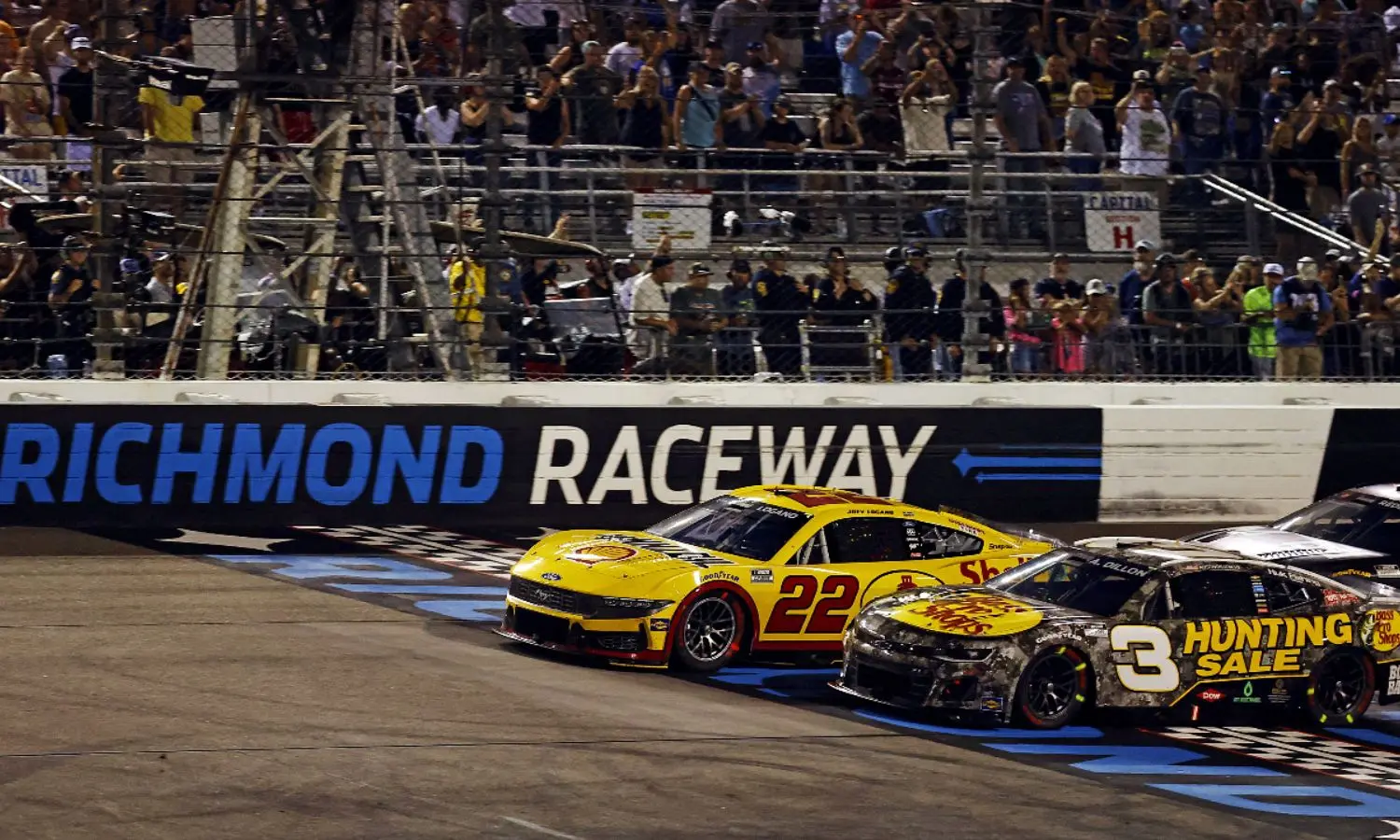
Richmond Raceway, located near Virginia’s capital, is a 0.75-mile D-shaped oval known as “America’s premier short track.” Opening as a dirt half-mile in 1946, it evolved into its current form in 1988 and now hosts night races under permanent lights. With 14-degree banking, high tire wear, and multiple grooves, Richmond offers a mix of speed and short-track tactics. It has produced legendary moments from Richard Petty’s win streak to modern playoff-shaping drama.
ALSO READ: Richmond Raceway’s NASCAR Future at Risk: Denny Hamlin’s Candid Assessment